Scotland
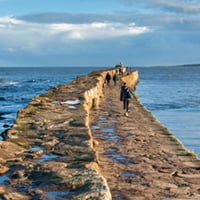
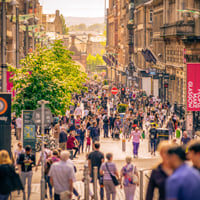
Coastal BeachesScotland is a country located in the northern part of the island of Great Britain, known for its dramatic landscapes including rugged highlands, deep lochs, and rolling lowlands. The culture is deeply rooted in Celtic heritage, with a strong emphasis on tradition, whisky production, and distinctive music and arts. The economy is diverse, historically built on shipbuilding and textiles, now anchored by financial services, energy (particularly oil and renewables), tourism, and technology sectors. Life in Scotland offers a blend of vibrant urban centers like Edinburgh and Glasgow alongside remote, peaceful rural areas. The population is welcoming and community-oriented, with a strong sense of national identity. Scotland has its own legal system, education system, and devolved government, giving it considerable autonomy within the United Kingdom.
 BlueCross BlueShield Global Solutions
Get Quote
BlueCross BlueShield Global Solutions (BCBS) offers global health plans for international assignments or trips lasting 6 months or longer. With access to over 1.7M medical providers in 190 countries around the world, BCBS provides members with solutions and industry-leading digital services - ensuring top-quality coverage to people who live, work, study and travel internationally.
BlueCross BlueShield Global SolutionsBlueCross BlueShield Global Solutions (BCBS) offers global health plans for international assignments or trips lasting 6 months or longer. With access to over 1.7M medical providers in 190 countries around the world, BCBS provides members with solutions and industry-leading digital services - ensuring top-quality coverage to people who live, work, study and travel internationally.
Get Quote




Podcasts

Episode 8: Jake Barber - The Expat Finance Expert Returns


Episode 6: Jake Barber - Expat Finance Expert and Lifelong Expat
Living in Scotland
Best Places to Live in Scotland
Visa & Residency
Obtaining a residency in Scotland, which is part of the United Kingdom, involves navigating the UK's system. The process can be complex, but it is well-documented and manageable for most expats. The most common types of visas that expats apply for are the Tier 2 Visa, which is for skilled workers with a job offer in the UK, and the Tier 1 Visa, which includes categories like the Global Talent Visa for leaders in certain fields, the Investor Visa for high-net-worth individuals, and the Entrepreneur Visa for those starting or running businesses in the UK. To apply for a Tier 2 Visa, an individual must have a job offer from a UK employer who holds a valid Tier 2 sponsorship license. The job offer must meet the minimum salary threshold and the role should be at a certain skill level. The applicant also needs to prove their knowledge of English and have enough savings to support themselves without accessing public funds. The Tier 1 Visa categories have different requirements. For example, the Global Talent Visa requires the applicant to be endorsed by a recognized UK body as a leader or potential leader in their field. The Investor Visa requires a substantial financial investment in the UK, while the Entrepreneur Visa requires a viable business plan and investment funds. Digital nomads often use the Standard Visitor visa, which allows them to stay in the UK for up to 6 months. This visa is not specifically designed for digital nomads, and it does not allow them to work in the UK, but it can be used for business-related activities such as attending meetings or conferences. The application process for UK visas typically involves completing an online application form, providing various supporting documents, paying the visa fee, and attending an appointment at a visa application center for biometrics. The processing time can vary, but it generally takes a few weeks for a decision to be made. It is important to note that the UK's immigration rules are subject to change, so applicants should always check the latest requirements on the official UK government website. Overall, while the process can be detailed and requires careful preparation, it is considered average in terms of difficulty compared to other countries.
Healthcare in Scotland
The system in Scotland is primarily public and is known as the National Health Service (NHS) Scotland. It provides comprehensive healthcare to all permanent residents free at the point of delivery, funded by general taxation. The NHS covers a wide range of services, including general practitioner (GP) visits, hospital treatments, dental care, and some eye care services. Scotland is known for its strong primary care system and has a relatively high number of GPs per capita. There is also a private healthcare sector that operates alongside the NHS, offering services for those willing to pay out-of-pocket or through private health insurance. Private healthcare can provide faster access to certain treatments and a wider choice of providers. The quality of healthcare in Scotland is generally good, with a strong emphasis on preventive care and public health initiatives. However, like many healthcare systems, it faces challenges such as long waiting times for certain procedures and variations in service quality across regions. Expats and digital nomads who are legal residents in Scotland have access to NHS services. Those from the European Economic Area (EEA) or countries with reciprocal healthcare agreements may also be entitled to free NHS treatment. Others may need to ensure they have adequate health insurance or pay for private healthcare services.
Cost of Living
Scotland's cost of living is moderate compared to other UK regions and Western European countries. Housing costs vary significantly by location: Edinburgh and Glasgow city centers command higher prices (average property prices £250,000-£400,000+), while rural areas and smaller towns are considerably more affordable (£150,000-£250,000). Rental prices in major cities range from £600-£1,200 monthly for a one-bedroom apartment, with lower costs outside urban centers. Daily expenses for groceries, utilities, and transport are generally reasonable, though slightly higher than some continental European countries.
Weather
Scotland experiences a temperate oceanic climate with mild winters and cool summers, heavily influenced by the Atlantic Ocean and Gulf Stream. Rainfall is frequent and distributed throughout the year, with western regions receiving significantly more precipitation than eastern areas. Winter temperatures typically range from 2-7°C (36-45°F), while summers average 14-17°C (57-63°F). Daylight varies dramatically by season, with very long summer days and short winter days, particularly in the north.
Educational System in Scotland
The educational system in Scotland is distinct from the rest of the United Kingdom, with its own qualifications framework and curriculum. Education in Scotland is overseen by the Scottish Government and is compulsory for children between the ages of 5 and 16. The system is divided into two stages: primary education and secondary education. Primary education begins with Primary 1 (P1) for children aged 4 to 5 and continues to Primary 7 (P7), with children typically entering secondary education around the age of 12. Secondary education is provided at secondary schools and is divided into six years, S1 to S6. Students work towards National Qualifications, such as Nationals and Highers, which are crucial for university or college admission or entering the workforce. The Scottish education system is known for its broad curriculum, which includes a wide range of subjects and a focus on depth as well as breadth of knowledge. The system emphasizes critical thinking, creativity, and the development of a wide range of skills. Scottish students graduate from secondary school with a range of qualifications, depending on their performance in their exams and the level of courses taken. The quality of education in Scotland is generally high, with a strong emphasis on inclusivity and providing equal opportunities for all children.
Living in Scotland
Healthcare in Scotland
Best Places to Live in Scotland
Moving to Scotland