Bariloche
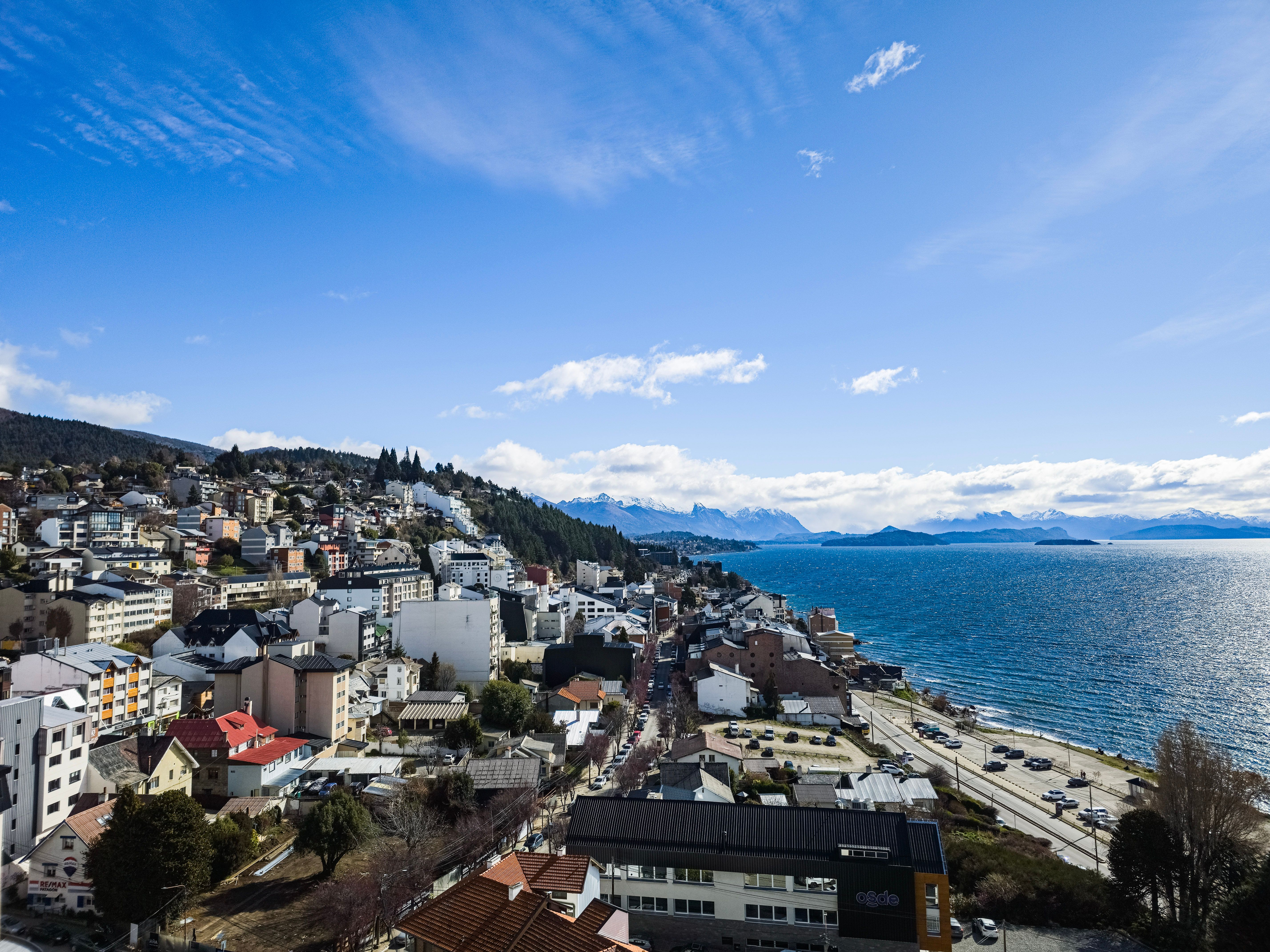
CountryBariloche draws outdoor enthusiasts, adventure seekers, and families who want year-round access to mountains and lakes without sacrificing urban conveniences. The city sits on the eastern shore of Lago Nahuel Huapi in the Patagonian Andes, where steep forested slopes meet deep blue water. The architecture reflects Swiss and Central European influence—chalets, lodges, and chocolate shops line the main avenues, a legacy of early 20th-century immigration. Winter transforms the region into a major ski destination with Cerro Campanario and Cerro Otto drawing international visitors, while summer brings hikers, climbers, and kayakers. The downtown core is walkable and lively, with restaurants ranging from casual to upscale, craft breweries, and galleries. Beyond the tourist infrastructure, Bariloche functions as a real working city with universities, hospitals, and year-round residents who navigate both the seasonal tourism surge and the genuine mountain-town rhythm underneath.
 BlueCross BlueShield Global Solutions
Get Quote
BlueCross BlueShield Global Solutions (BCBS) offers global health plans for international assignments or trips lasting 6 months or longer. With access to over 1.7M medical providers in 190 countries around the world, BCBS provides members with solutions and industry-leading digital services - ensuring top-quality coverage to people who live, work, study and travel internationally.
BlueCross BlueShield Global SolutionsBlueCross BlueShield Global Solutions (BCBS) offers global health plans for international assignments or trips lasting 6 months or longer. With access to over 1.7M medical providers in 190 countries around the world, BCBS provides members with solutions and industry-leading digital services - ensuring top-quality coverage to people who live, work, study and travel internationally.
Get Quote
Visa & Residency
Obtaining a residency in Argentina involves several steps and can be considered an average challenge compared to other countries. The process begins with determining the appropriate visa type based on the individual's circumstances. The most common types of visas for expats are the Rentista Visa, for individuals with a steady income from abroad, and the Pensionado Visa, for retirees with a pension. To apply for these visas, expats must first gather the required documents, which typically include a valid passport, birth certificate, proof of income or pension, criminal record check from the country of origin, and proof of health insurance. These documents must be legalized and translated into Spanish. The next step is to submit the visa application at an Argentine consulate or embassy in the applicant's home country or, in some cases, within Argentina. The application must be accompanied by the relevant supporting documents. After submission, the consulate will review the application, which can take several months. During this period, applicants may be asked to provide additional information or attend an interview. Once the consulate approves the visa, the applicant will receive a visa entry permit, allowing them to travel to Argentina. Upon arrival, they must make an appointment with the National Office (Dirección Nacional de Migraciones) to obtain their residency card. This card is typically valid for one year and can be renewed annually. The difficulty of the process can vary based on the applicant's nationality, the completeness of their application, and their ability to provide the necessary documentation. It is advisable for expats to seek legal assistance or consult with immigration experts to navigate the process smoothly. Overall, while there are several bureaucratic steps involved, the process is quite structured and manageable for those who prepare adequately.
Cost of Living
Living costs in Bariloche have climbed significantly due to tourism demand, seasonal economy fluctuations, and limited local supply chains in Patagonia. Accommodation—whether renting or buying—commands premium prices, especially near the lake and ski areas. Groceries and imported goods cost more than in Buenos Aires. However, wages for service and tourism workers often lag behind the cost of living, creating tension between what residents earn and what they spend.
Weather
Bariloche has a temperate climate with cold, snowy winters (June–August) ideal for skiing and warm, dry summers (December–February). Spring and autumn bring variable conditions with frequent rain.
Healthcare in Bariloche
Hospital Zonal de Bariloche is the primary public facility and handles most emergency and routine care, though it operates under typical Argentine provincial constraints with occasional supply or staffing gaps. Private clinics like Clínica Privada del Sur offer better amenities and shorter wait times for those with insurance. For serious trauma or specialized procedures, residents sometimes travel to Buenos Aires.
Schools in Bariloche
Several schools in Bariloche offer bilingual Spanish-English instruction, though options are more limited than in Buenos Aires. Most bilingual programs are found in private institutions serving expat and affluent local families.
Restaurants in Bariloche