
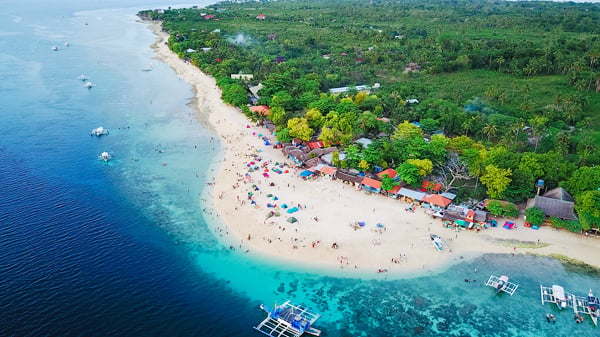

Cebu, Philippines

Philippines > Cebu

Cebu

Urban   Coastal   Beaches   Riverfront  

Cebu is a major city and the capital of Cebu Province in the Philippines, located in the Visayas region. It is the second-largest city in the Philippines by population and serves as an important economic, cultural, and educational hub. The city has a rich history dating back to the Spanish colonial period, with significant historical landmarks and religious sites reflecting its heritage. Cebu is known for its vibrant commercial districts, bustling markets, and modern shopping centers that blend traditional Filipino culture with contemporary development. The city serves as a major port and transportation hub, connecting various islands in the Visayas. Cebu is home to numerous universities, hospitals, and business establishments, making it a center for commerce and services in the region. The surrounding area offers access to beautiful beaches, diving spots, and island-hopping opportunities that attract both tourists and locals. The city has a dynamic nightlife, diverse dining scene, and cultural attractions including museums and historical sites. Cebu's strategic location and infrastructure make it an important gateway for travelers exploring the central Philippines.

AGS Worldwide MoversAGS Worldwide Movers
Get Quote

Relocating abroad soon? Make your move with AGS! AGS Worldwide Movers is a leader in the international moving industry. Our experience and expertise allows us to guarantee our clients the best quality moving services.

AGS Worldwide MoversAGS Worldwide Movers

Relocating abroad soon? Make your move with AGS! AGS Worldwide Movers is a leader in the international moving industry. Our experience and expertise allows us to guarantee our clients the best quality moving services.
Get Quote

Visa & Residency

The process of obtaining a residency in the Philippines varies depending on the type of visa applied for. The Special Resident Retiree's Visa (SRRV) is a popular option for expatriates and retirees. To qualify for the SRRV, applicants must meet certain age and deposit requirements, which vary depending on the chosen SRRV option. For instance, the SRRV Smile requires a deposit of $20,000 in a Philippine bank for applicants 35 years old and above. The SRRV Classic, on the other hand, requires a deposit of $10,000 for those 50 years old and above with a pension, or $20,000 without a pension. This visa grants indefinite stay with multiple-entry privileges as long as the deposit is maintained. Another common visa for expatriates working in the Philippines is the 9(g) Pre-arranged Employment Visa, which is tied to an offer of employment from a Philippine-based company. The process involves securing an Alien Employment Permit, a No Objection Certificate, and other clearances before the visa application can be filed with the Bureau of Immigration. The 9(g) visa is typically valid for one to three years and is extendable as long as the employment persists. The application process for residency visas in the Philippines can be average in terms of difficulty. It involves gathering various documents, such as police clearances, medical certificates, and proof of financial capacity. The applicant must also attend a hearing and interview at the Bureau of Immigration. The processing time can vary, and it is advisable to seek assistance from a legal professional or a visa agent to navigate the complexities of the process. Overall, while there are several steps involved, the Philippines offers a range of visa options to suit different needs, and with proper guidance, obtaining a residency visa can be a manageable task.

Cost of Living

The cost of living in Cebu is moderate compared to other major Philippine cities and international standards. Housing, food, and transportation are generally affordable, though prices in central business districts and upscale areas are higher. The city offers good value for both local residents and expatriates seeking a balance between affordability and urban amenities.

Weather

Cebu has a tropical climate with warm temperatures year-round, characterized by a dry season from November to May and a wet season from June to October.

Healthcare in Cebu

Cebu has several well-equipped private hospitals including Cebu Doctors' Hospital and Chong Hua Hospital, offering modern facilities and English-speaking staff. Public healthcare is available through government facilities, though private hospitals are generally preferred by expats for quality and service. Medical costs are significantly lower than Western countries, making healthcare accessible and affordable.

Schools in Cebu

Cebu has several international schools offering IB and American curricula, including Cebu International School, which is one of the most established institutions offering comprehensive international education. Other options include Southville International School and various British-curriculum schools serving the expatriate community.

Cebu has numerous bilingual schools offering English-Filipino instruction, which are common throughout the city and serve both local and expatriate families. These schools blend Philippine and international educational standards, making them accessible and affordable alternatives to fully international institutions.

Restaurants in Cebu

Copyright 1997-2026 Burlingame Interactive, Inc.

Privacy Policy Legal