Portugal can work especially well when daily life stays simple: walk to the bakery, hop on a train or tram, and keep parks, cafés, and weekend outings within easy reach. The places that stand out are the ones where you can build a routine without planning every errand around driving, whether that means a big-city network or a smaller center with most essentials close by. Lisbon, Cascais, and Coimbra each show a different version of that rhythm, while Porto and Aveiro add their own mix of character and convenience. The full list goes further, including Braga, Ponta Delgada and other places worth a closer look.
Lisbon — metro, trams, river views
Lisbon gives you the fullest city version of life without a car, with a metro that makes cross-town movement straightforward and trams that still feel part of the city’s daily texture. Its neighborhoods range from Alfama’s tiled lanes to newer districts, so you can choose between old-world atmosphere and a more modern routine.
“The metro is great. Easy to get around. The train out and back to Cascais is excellent.”
— movingtoportugal7, Expat Exchange member
That kind of connectivity matters here because the city is spread across hills, yet the basics remain reachable if you pick your neighborhood well.
Mallorca Law is a premier visa and immigration firm located in Palma, Spain, specializing in services for expatriates
Learn More about Mallorca Law
Cascais — scenic walks, beaches, train
Cascais has a calmer coastal rhythm, with a waterfront promenade, old-town streets, and beaches that make it easy to fill a weekend without leaving town. The train link to Lisbon is a major advantage if you want access to the capital without living inside its pace.
“There were a ton of expats here when I visited. The people on the forums didn't lie.”
— movingtoportugal7, Expat Exchange member
It feels like a place where the daily routine can stay compact while the scenery does a lot of the work.
Coimbra — university city, lived-in hills
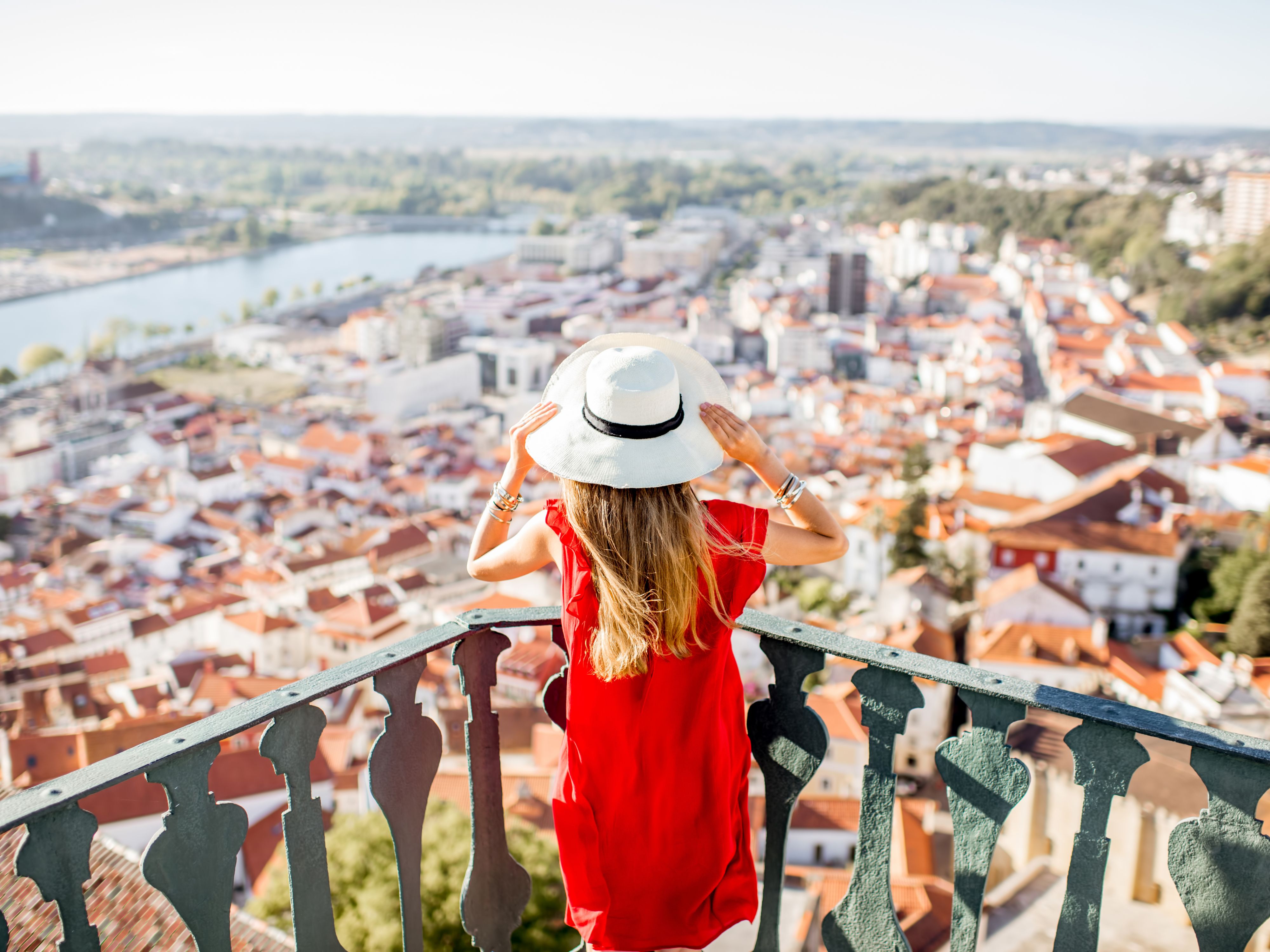
Coimbra brings a slower, more traditional pace, shaped by one of Europe’s oldest universities and a medieval old town that still feels lived-in. The city’s hills, river setting, and lower commercial areas give it a practical structure, so you are not relying on one polished center for everything. Student energy, fado, and old academic traditions keep the atmosphere lively without making it feel overrun. It is the kind of place where everyday errands and a strong sense of history sit comfortably together.
Porto — steep hills, lived-in alleys
Porto offers a bigger-city feel with enough historic character that the famous sights become part of ordinary life. The steep hills, medieval alleyways, and Ribeira waterfront give it a strong sense of place, while the city’s everyday rhythm stays grounded in local neighborhoods and long-standing routines. You get the energy of a major urban center without losing the feeling that people actually live here, not just visit. For someone who wants walkability with a bit more edge and texture, Porto is hard to ignore.
Aveiro — lagoon streets, slower pace
Aveiro is a smaller-scale choice where getting around on foot feels natural, especially in the historic center around the canals and lagoon. Its Art Nouveau buildings, waterfront promenade, and working-city character give it charm without turning it into a museum piece. The moliceiros and lagoon system shape the identity of the place, but daily life still belongs to locals, students, and families. If you want a gentler pace with a compact center, Aveiro fits that brief neatly.