
Nicaragua
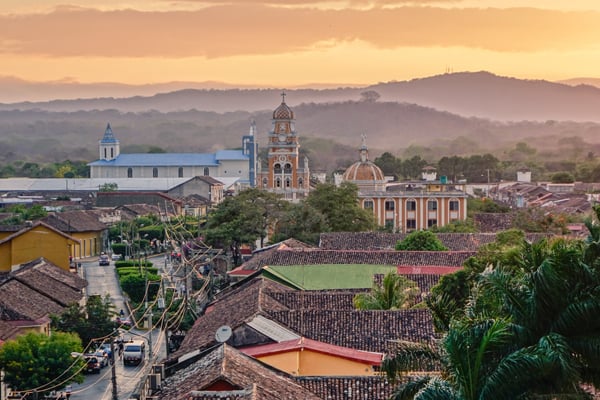
Coastal BeachesNicaragua is a Central American country located between Costa Rica and Honduras, known for its diverse landscapes including Pacific and Caribbean coastlines, volcanic peaks, and tropical rainforests. The country has a rich cultural heritage blending indigenous, Spanish, and African influences, reflected in its music, food, and traditions. The economy is primarily based on agriculture, tourism, and manufacturing, with coffee, cacao, and seafood as major exports. Nicaragua offers a laid-back lifestyle with warm, welcoming communities and relatively affordable living costs compared to North America and Europe. The country has been developing its tourism infrastructure, particularly around colonial cities like Granada and adventure destinations. Life in Nicaragua appeals to those seeking a slower pace, natural beauty, and cultural immersion.

PassportCard Expat Health InsuranceGet Quote
Never worry about paying your medical bills out of pocket again. The innovative PassportCard allows for a stress-free experience for all expat families, remote travelers, and workers. With a 24/7 customer service and an outstanding customer base of over 2 Million clients, it will feel like medical care at home. Get up to 10% off on your policy now.
PassportCard Expat Health InsuranceNever worry about paying your medical bills out of pocket again. The innovative PassportCard allows for a stress-free experience for all expat families, remote travelers, and workers. With a 24/7 customer service and an outstanding customer base of over 2 Million clients, it will feel like medical care at home. Get up to 10% off on your policy now.
Get Quote
Podcasts
Episode 6: Jake Barber - Expat Finance Expert and Lifelong Expat
Episode 8: Jake Barber - The Expat Finance Expert Returns
Living in Nicaragua
Best Places to Live in Nicaragua
Visa & Residency
Obtaining a residency in Nicaragua is a process that involves several steps and the submission of various documents. The most common types of residency visas for expats are the Pensionado Visa and the Rentista Visa. The Pensionado Visa is designed for retirees who receive a pension from a foreign government or private company. To qualify, applicants must prove a monthly income of at least $600 from a pension or retirement fund. The Rentista Visa is for individuals who have a stable and permanent income from investments or personal businesses outside of Nicaragua. The required monthly income for this visa is $750. The process for both visas is similar. Applicants must first gather the necessary documents, which typically include a passport valid for at least six months, a police record from the applicant's country of origin, health certificates, proof of income, and various application forms. All documents from outside Nicaragua must be notarized and authenticated by the Nicaraguan consulate in the country of origin. Once the documents are prepared, the applicant must submit them to the Nicaraguan authorities, either in person or through a legal representative. The authorities will review the application and may request additional information or clarification. After the review, the immigration office will issue a resolution. If approved, the applicant will receive a cedula, or residency card, which is typically valid for one year for the first issuance and can be renewed annually. The process can be average in terms of difficulty, as it requires a fair amount of paperwork and understanding of the legal requirements. It is advisable to seek assistance from a or a professional familiar with Nicaraguan immigration laws to navigate the process effectively. The time frame for approval can vary, but it generally takes a few months from the submission of the application to the issuance of the residency card. It is important to note that the Nicaraguan government encourages foreign investment and residency, which can make the process smoother for those who contribute to the local economy.
Healthcare in Nicaragua
The healthcare system in Nicaragua is a mix of public and private services. The public healthcare system is overseen by the Ministry of Health (MINSA) and provides services to citizens at low or no cost. However, the quality of public healthcare can vary significantly, with urban areas typically having better facilities and more resources than rural areas. Public hospitals and clinics often face challenges such as overcrowding, limited medical supplies, and understaffing. Private healthcare in Nicaragua offers higher quality services with more modern facilities and equipment, and shorter wait times, but at a higher cost. Expats and digital nomads can access public healthcare by contributing to the social security system, but many opt for private health insurance or pay out-of-pocket for private care to ensure higher quality and faster service.
Cost of Living
Nicaragua has a low cost of living, making it attractive for budget-conscious relocators. Rental prices vary by location: in Managua or Granada, a one-bedroom apartment in the city center costs $400-700 monthly, while outside city centers it drops to $250-400. Property purchases range from $80,000-150,000 for modest homes in popular expat areas. Daily expenses including food, transportation, and utilities are significantly cheaper than North America or Western Europe.
Weather
Nicaragua has a tropical climate with two main seasons: the rainy season (May to November) and the dry season (December to April). Temperatures remain warm year-round, typically ranging from 75-90°F (24-32°C) in lowland areas, with cooler temperatures in mountainous regions. The Caribbean coast receives significantly more rainfall than the Pacific side. Hurricanes and tropical storms are possible during the Atlantic hurricane season (June to November).
Educational System in Nicaragua
The educational system in Nicaragua is structured similarly to many Latin American countries and has undergone various reforms to improve its quality and accessibility. Education in Nicaragua is compulsory from the ages of 6 to 12, which corresponds to primary education. Secondary education typically starts at age 13 and is divided into two cycles: the first three years (basic secondary) and the last two years (diversified secondary), which may have a vocational or academic focus. The school year in Nicaragua runs from February to November. Public education is free at the primary and secondary levels, but schools often lack sufficient resources, and families may need to pay for uniforms, books, and other supplies. Private schools, including international schools that offer curricula from other countries such as the United States or the International Baccalaureate, are available and are often the choice for families who can afford them. These schools usually offer higher-quality facilities and resources. Upon completion of secondary education, students receive a Bachillerato, which is necessary to enter university. The quality of education can vary significantly between urban and rural areas, with rural schools facing more challenges such as lower attendance and completion rates.