Salzburg
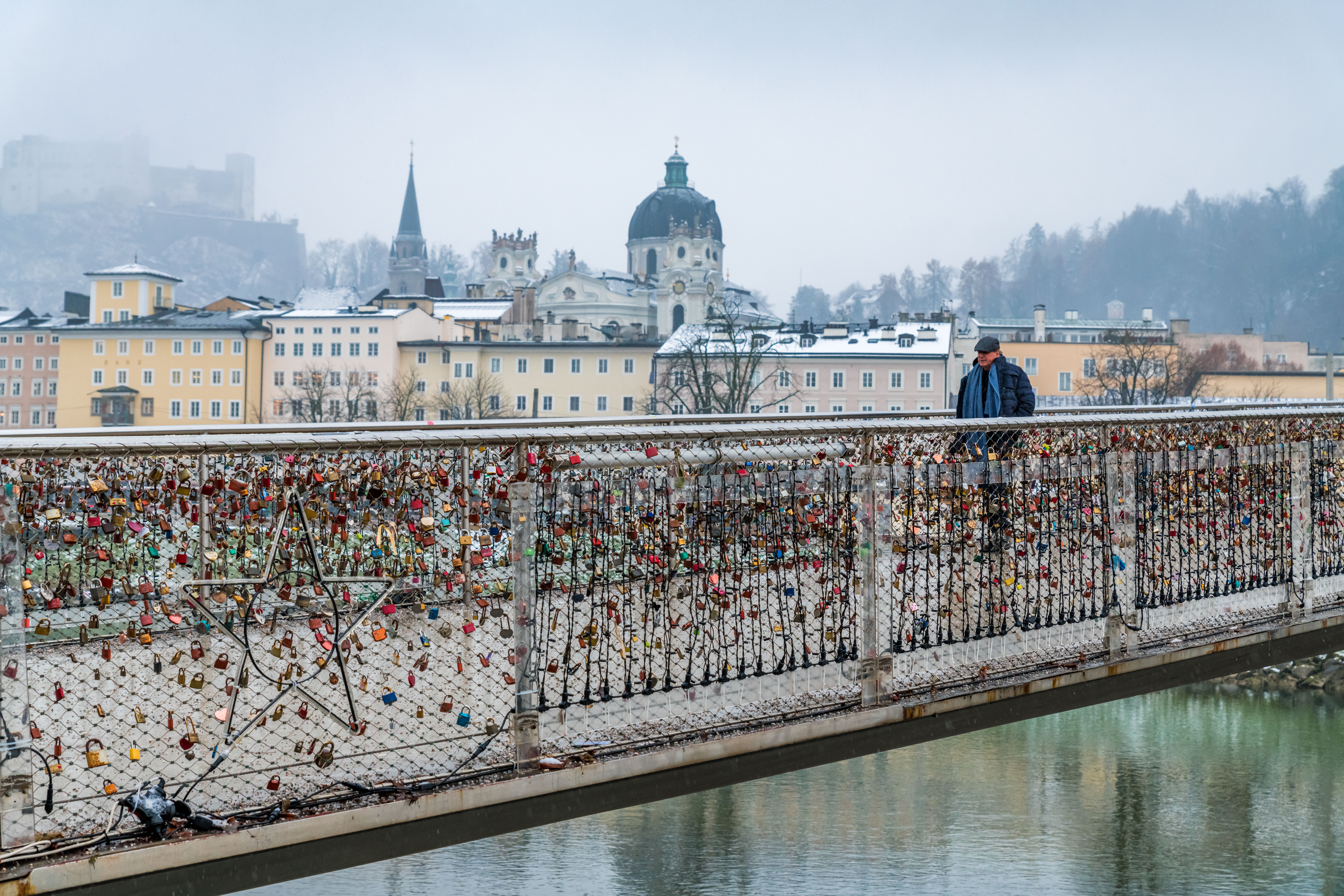
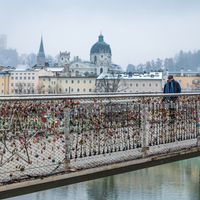
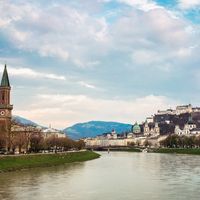
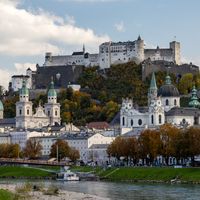
Urban RiverfrontSalzburg draws musicians, students, and culture seekers to Austria's fourth-largest city, positioned on the Salzach River in the country's northwest corner. The city's identity centers on its baroque architecture, world-class music scene, and proximity to the Alps—a combination that attracts everyone from classical music devotees to outdoor enthusiasts. The old town, a UNESCO World Heritage site, rises steeply from the river with narrow lanes, courtyards, and churches dating back centuries. Hohensalzburg Fortress dominates the skyline from a hilltop perch, offering views across the city and surrounding valleys. Beyond the historic core, Salzburg functions as a modern European city with universities, tech companies, and a thriving café culture. The surrounding region—dotted with lakes, hiking trails, and mountain villages—makes it a natural base for exploring the Austrian and Bavarian countryside. People move here for the music festivals, the quality of life, the walkable urban center, and easy access to alpine terrain.
 BlueCross BlueShield Global Solutions
Get Quote
BlueCross BlueShield Global Solutions (BCBS) offers global health plans for international assignments or trips lasting 6 months or longer. With access to over 1.7M medical providers in 190 countries around the world, BCBS provides members with solutions and industry-leading digital services - ensuring top-quality coverage to people who live, work, study and travel internationally.
BlueCross BlueShield Global SolutionsBlueCross BlueShield Global Solutions (BCBS) offers global health plans for international assignments or trips lasting 6 months or longer. With access to over 1.7M medical providers in 190 countries around the world, BCBS provides members with solutions and industry-leading digital services - ensuring top-quality coverage to people who live, work, study and travel internationally.
Get Quote
Visa & Residency
Obtaining a residency in Austria involves several steps and the process can be somewhat complex, depending on the type of visa and the applicant's circumstances. The Red-White-Red Card is a popular option for skilled workers from third countries. It is based on a points system that considers factors such as professional qualifications, work experience, language skills, and age. To apply, one must have a job offer in Austria that corresponds with their qualifications. The application process involves gathering necessary documents, such as proof of accommodation, health insurance, and a no criminal record certificate, and submitting them to the Austrian embassy or consulate in one's home country or directly to the Austrian authorities if legally residing in Austria. Another option for expats is the Family Reunification Visa, which allows family members of Austrian residents to live in Austria. The main requirement is proof of a family relationship, such as marriage or parenthood, with an Austrian resident. For those who do not qualify for the Red-White-Red Card or Family Reunification Visa, there are other types of permits such as the Student Visa or the Job Seeker Visa. The Job Seeker Visa allows individuals to enter Austria for six months to look for work. If they find a job that meets certain criteria, they can then apply for a Red-White-Red Card. The process can be challenging due to the need for accurate documentation and navigating the legal requirements. It is advisable to start the application process well in advance of the intended move date and to consult with the Austrian embassy or a legal expert specializing in Austrian law. The difficulty of the process can vary greatly depending on the individual's situation and preparedness. However, Austria has a well-defined immigration system, and with the correct preparation, obtaining a residency visa is a manageable task for most expats.
Cost of Living
Living in Salzburg costs considerably more than rural Austria, driven by its status as a cultural hub and tourist destination. Rent for a one-bedroom apartment in the city center runs steep, and property prices have climbed steadily as the city attracts international residents and remote workers. Groceries and dining out are pricey by Austrian standards, though still reasonable compared to major Western European capitals. Utilities and transportation are moderate, with good public transit offsetting car ownership costs.
Weather
Salzburg experiences a temperate continental climate with cold, snowy winters and mild summers; spring and fall bring frequent rain and changeable conditions typical of the Alpine foothills.
Healthcare in Salzburg
Salzburg Landeskrankenhaus (the state hospital) provides comprehensive acute care and trauma services, with English-speaking staff common in larger departments. Private clinics like Privatklinik Salzburg handle elective procedures. Wait times for non-emergency care can stretch several weeks through public insurance, though private insurance and direct payment expedite access.
Schools in Salzburg
Salzburg International School (SIS) offers the International Baccalaureate curriculum from primary through secondary levels. American International School Salzburg provides US-based education with English instruction, serving expat families primarily.
Several Austrian public and private schools operate bilingual German-English programs, particularly at the primary level. The Salzburg bilingual offerings are less extensive than Vienna's but available through select private institutions and some public school tracks.
Restaurants in Salzburg