Austria
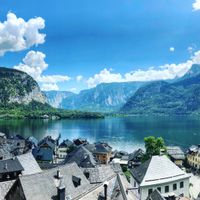
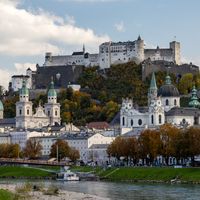
Austria is a landlocked country in central Europe, nestled in the heart of the Alps with a rich cultural heritage spanning centuries. Known for its stunning alpine landscapes, historic cities like Vienna and Salzburg, and world-class music and arts scene, Austria offers a high quality of life with excellent infrastructure and services. The economy is stable and prosperous, with strong sectors in tourism, manufacturing, and services. Austrian culture emphasizes precision, punctuality, and a deep appreciation for classical music, coffee culture, and outdoor activities. The country is known for its efficiency, safety, and social welfare system, making it an attractive destination for expats seeking stability and cultural richness.
 SJB Global
Connect
SJB-Global is a top-rated financial advisory firm specializing in expat financial advice worldwide, offering retirement planning & tax-efficient solutions with a regressive fee model. Our clients benefit from their country’s most favorable tax environment by utilizing the efficient investment vehicles we offer. Our commitment to quality service is reflected in our stellar reviews, with over 300 testimonials boasting 95% five-star ratings.
Click connect to have our partner contact you via e-mail and/or phone.
SJB GlobalSJB-Global is a top-rated financial advisory firm specializing in expat financial advice worldwide, offering retirement planning & tax-efficient solutions with a regressive fee model. Our clients benefit from their country’s most favorable tax environment by utilizing the efficient investment vehicles we offer. Our commitment to quality service is reflected in our stellar reviews, with over 300 testimonials boasting 95% five-star ratings.
Connect
Click connect to have our partner contact you via e-mail and/or phone.


Podcasts

Episode 8: Jake Barber - The Expat Finance Expert Returns



Episode 6: Jake Barber - Expat Finance Expert and Lifelong Expat
Living in Austria
Best Places to Live in Austria
Visa & Residency
Obtaining a residency in Austria involves several steps and the process can be somewhat complex, depending on the type of visa and the applicant's circumstances. The Red-White-Red Card is a popular option for skilled workers from third countries. It is based on a points system that considers factors such as professional qualifications, work experience, language skills, and age. To apply, one must have a job offer in Austria that corresponds with their qualifications. The application process involves gathering necessary documents, such as proof of accommodation, health insurance, and a no criminal record certificate, and submitting them to the Austrian embassy or consulate in one's home country or directly to the Austrian authorities if legally residing in Austria. Another option for expats is the Family Reunification Visa, which allows family members of Austrian residents to live in Austria. The main requirement is proof of a family relationship, such as marriage or parenthood, with an Austrian resident. For those who do not qualify for the Red-White-Red Card or Family Reunification Visa, there are other types of permits such as the Student Visa or the Job Seeker Visa. The Job Seeker Visa allows individuals to enter Austria for six months to look for work. If they find a job that meets certain criteria, they can then apply for a Red-White-Red Card. The process can be challenging due to the need for accurate documentation and navigating the legal requirements. It is advisable to start the application process well in advance of the intended move date and to consult with the Austrian embassy or a legal expert specializing in Austrian law. The difficulty of the process can vary greatly depending on the individual's situation and preparedness. However, Austria has a well-defined immigration system, and with the correct preparation, obtaining a residency visa is a manageable task for most expats.
Healthcare in Austria
Austria boasts a high-quality healthcare system that is accessible to all residents, including expatriates and digital nomads, once they are registered and contributing to the social security system. The healthcare system in Austria is a mix of public and private services, with the majority of healthcare being provided through public insurance, known as Gesundheitskasse. Public healthcare is funded by mandatory health insurance contributions, which are based on income. The quality of public healthcare is generally excellent, with well-equipped hospitals and highly trained medical staff. Private healthcare is also available and offers shorter waiting times and more choice regarding doctors and facilities. Private insurance can be purchased for additional coverage or to complement the public system. Expats and digital nomads can access public healthcare once they have the necessary residence permit and are paying into the Austrian social security system. They can also opt for private health insurance if they prefer. The cost of public healthcare is covered by the social security contributions, while private healthcare costs depend on the services and the level of insurance coverage.
Cost of Living
Austria has a high cost of living, particularly in Vienna and other major cities. Rental prices for a one-bedroom apartment in central Vienna range from €800-1,200 per month, while outside the city center they are somewhat lower at €600-900. Property purchase prices in Vienna average €8,000-12,000 per square meter, making homeownership expensive. Daily expenses including groceries, dining, and utilities are comparable to other Western European countries, though generally higher than Eastern European neighbors.
Weather
Austria experiences a temperate continental climate with four distinct seasons. Winters are cold and snowy, particularly in alpine regions, with temperatures often dropping below freezing from December to February. Summers are mild to warm, with average temperatures between 20-25°C (68-77°F), and spring and autumn offer pleasant, moderate conditions. Rainfall is distributed throughout the year, with slightly higher precipitation in summer months and in mountainous areas.
Educational System in Austria
Austria's educational system is known for its comprehensive and high-quality structure, catering to children from the age of six. Compulsory education starts with primary education (Volksschule) for four years, followed by lower secondary education (Hauptschule or Neue Mittelschule) for another four years. After this, students can choose between various types of upper secondary education, including academic secondary schools (AHS) which last for four years and culminate in the Matura (matriculation exam), or vocational educational schools (BHS) which can last up to five years and also end with the Matura. The Austrian education system emphasizes a well-rounded curriculum, including languages, mathematics, natural sciences, social sciences, and creative arts. Schools in Austria are generally known for their high standards, and education is free for all children, including those from other countries, up to the secondary level. The school year typically starts in September and ends in June, with the main holiday break in July and August.
Living in Austria
Healthcare in Austria
Best Places to Live in Austria
Moving to Austria