Colombo
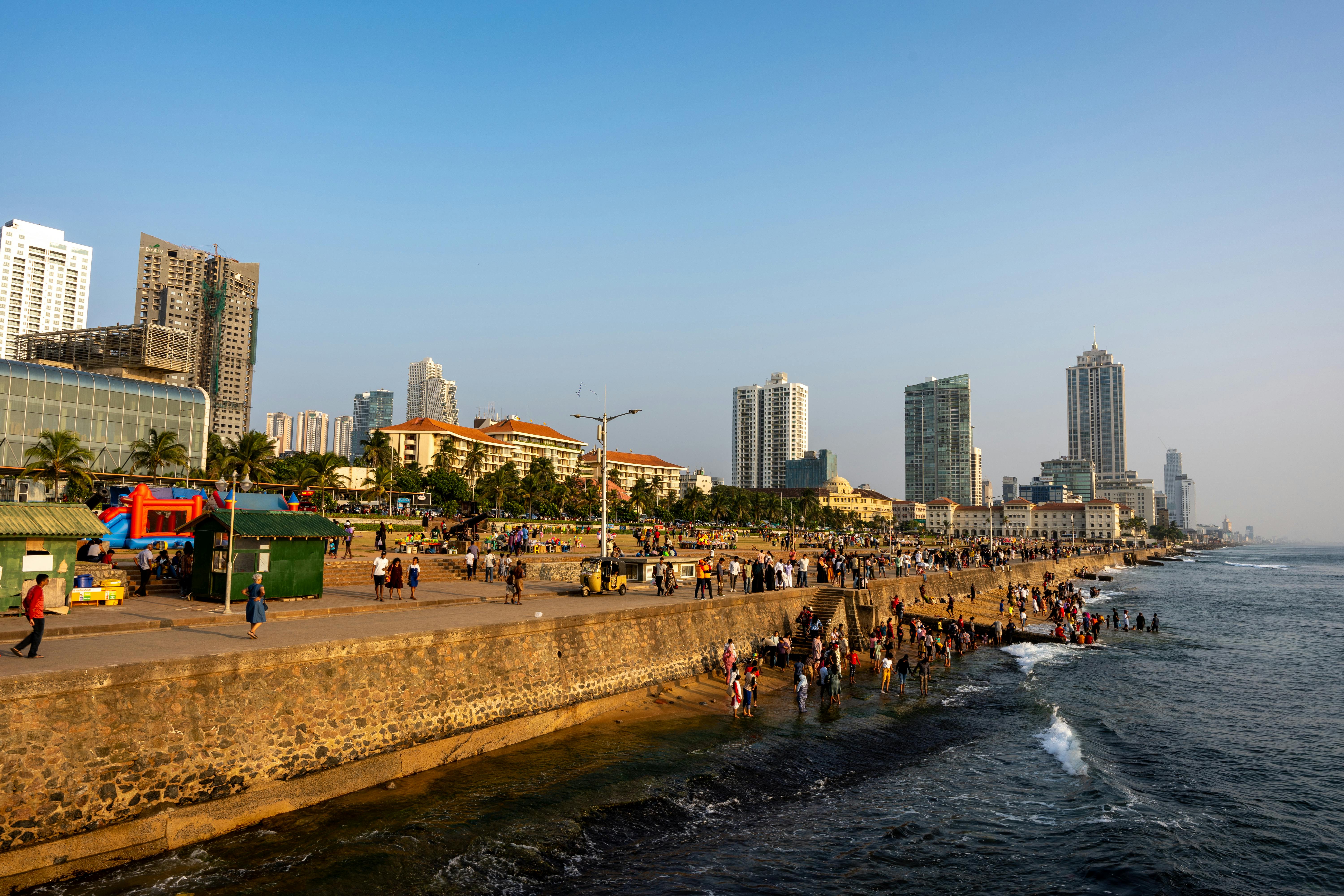
Urban Coastal Beaches RiverfrontColombo is the capital and largest city of Sri Lanka, serving as the country's primary commercial, cultural, and administrative hub. Located on the western coast, it is a vibrant metropolis that blends colonial heritage with modern development. The city features a diverse architectural landscape, from historic colonial buildings and Buddhist temples to contemporary shopping centers and office complexes. Colombo's bustling streets are filled with markets, street vendors, and local eateries offering authentic Sri Lankan cuisine. The city is home to several museums, galleries, and cultural institutions that showcase the island's rich history and artistic traditions. Galle Face Green, a historic oceanfront promenade, is a popular gathering spot for locals and visitors alike. Colombo serves as the gateway to Sri Lanka, with its port being one of the busiest in South Asia. The city's diverse population reflects its cosmopolitan character, with communities from various ethnic and religious backgrounds coexisting. Despite its urban density, Colombo offers pockets of greenery and parks. The city is well-connected by public transportation, including buses, trains, and taxis, making it accessible for residents and visitors exploring different neighborhoods and attractions.
 BlueCross BlueShield Global Solutions
Get Quote
BlueCross BlueShield Global Solutions (BCBS) offers global health plans for international assignments or trips lasting 6 months or longer. With access to over 1.7M medical providers in 190 countries around the world, BCBS provides members with solutions and industry-leading digital services - ensuring top-quality coverage to people who live, work, study and travel internationally.
BlueCross BlueShield Global SolutionsBlueCross BlueShield Global Solutions (BCBS) offers global health plans for international assignments or trips lasting 6 months or longer. With access to over 1.7M medical providers in 190 countries around the world, BCBS provides members with solutions and industry-leading digital services - ensuring top-quality coverage to people who live, work, study and travel internationally.
Get Quote
Visa & Residency
Obtaining a residency in Sri Lanka involves several steps and can be considered an average challenge compared to other countries. The process begins with choosing the correct type of Residence Visa, as Sri Lanka offers various categories depending on the purpose of stay. These categories include Employment, Investor, Religious, Student, and Family visas. Expats must first secure an entry visa before applying for a Residence Visa. To apply for a Residence Visa, expats must submit a completed application form along with the necessary supporting documents, which typically include a valid passport, proof of financial means, health records, and a letter of recommendation or sponsorship from a local entity in Sri Lanka, depending on the visa category. For an Employment Visa, a contract or letter from the employer in Sri Lanka is required. Investors need to provide proof of investment. Students must have an admission letter from a recognized educational institution, and those applying for a Family Visa need evidence of their relationship to a Sri Lankan resident. The Department of and Emigration in Sri Lanka is responsible for processing visa applications. The processing time can vary, but it generally takes a few weeks to several months. Applicants may be required to attend an interview or provide additional documentation if requested by the immigration authorities. Once granted, a Residence Visa is typically valid for one year and can be renewed annually. The renewal process requires expats to demonstrate continued eligibility, such as ongoing employment or investment in the country. For digital nomads, the Tourist Visa is a common choice as it allows them to live in Sri Lanka for up to six months. This visa is easier to obtain and requires fewer documents, such as a return air ticket, proof of sufficient funds, and a confirmed booking of accommodation. However, it does not permit employment in Sri Lanka and is strictly for tourism and leisure activities. Overall, while the process of obtaining a residency visa in Sri Lanka is quite structured and involves various bureaucratic steps, it is manageable with proper preparation and understanding of the requirements. Expats are advised to begin the application process well in advance of their intended move to ensure all paperwork is in order.
Cost of Living
The cost of living in Colombo is moderate compared to many Asian capitals, though prices have been rising in recent years. Accommodation, dining, and transportation costs vary depending on the neighborhood and lifestyle choices. Local goods and street food remain affordable, while imported products and upscale dining establishments command higher prices.
Weather
Colombo has a tropical climate with warm temperatures year-round, experiencing two monsoon seasons that bring significant rainfall from May to July and November to February.
Healthcare in Colombo
Colombo has several well-equipped private hospitals and government medical facilities providing modern healthcare services. Major hospitals include the National Hospital of Sri Lanka and private institutions like Apollo and Nawaloka, which offer international-standard care. Healthcare quality is generally reliable, though private facilities are significantly more expensive than public options.
Schools in Colombo
Colombo has several established international schools including Colombo International School, British School in Colombo, and Lyceum International School, offering curricula such as IB, British, and American programs. These schools cater to expatriate families and provide education in English with international standards.
Colombo offers bilingual education options with schools teaching in English and Sinhala or Tamil, reflecting the country's multilingual context. Several private institutions provide bilingual instruction to support both local and international student populations.
Restaurants in Colombo
Living in Colombo
Moving to Colombo
Healthcare in Colombo