Marbella
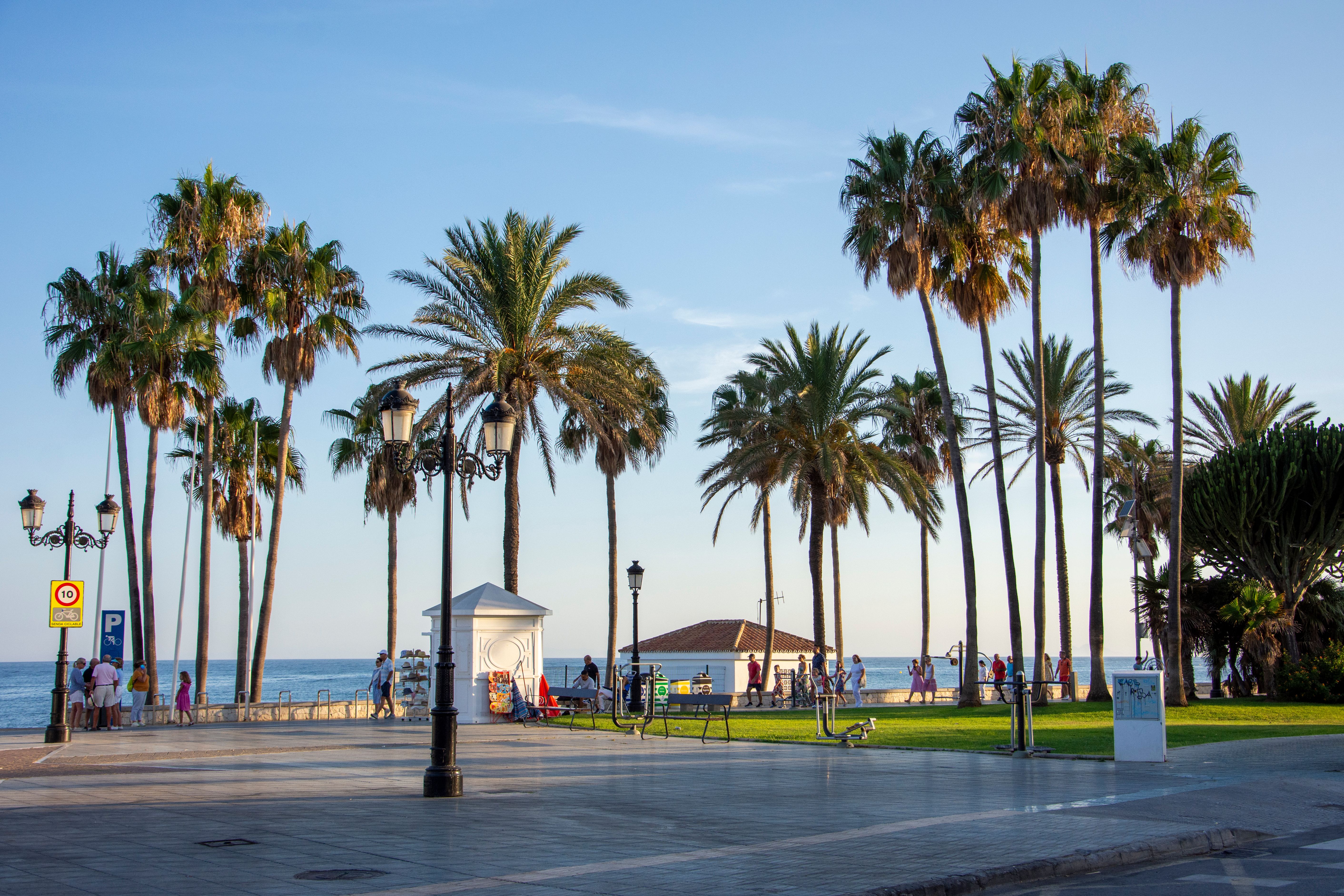
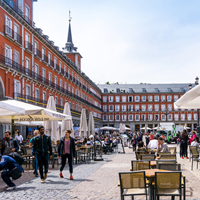
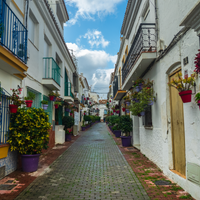
Beach Coastal BeachesMarbella sits on Spain's southern coast where the Mediterranean meets the Sierra Blanca mountains, creating a landscape that feels both glamorous and grounded. Unlike nearby Málaga—a larger port city with industrial edges—Marbella developed as an intentional resort destination, with a carefully preserved old town of whitewashed streets and a modern seafront that caters to international visitors and residents. The town has long attracted wealth, but it's not all yacht clubs and nightclubs; the casco antiguo (old quarter) retains genuine character with local tapas bars and family-run shops. The beaches here are wide and well-maintained, backed by a promenade lined with restaurants and bars. Beyond the coast, the town spreads inland with residential neighborhoods, golf courses, and access to hiking in the nearby mountains. Marbella functions as both a year-round home for expats and a seasonal destination, which shapes everything from real estate to dining options.
 Luxton Legal
Connect
Luxton Legal is a boutique law firm assisting expats and foreign buyers with property conveyancing and immigration matters across Spain. We guide clients through every step of the purchase process and offer expert support with visas, residency applications, and relocation planning. Our experienced, English-speaking team ensures legal clarity and peace of mind throughout your move.
Click connect to have our partner contact you via e-mail and/or phone.
Luxton LegalLuxton Legal is a boutique law firm assisting expats and foreign buyers with property conveyancing and immigration matters across Spain. We guide clients through every step of the purchase process and offer expert support with visas, residency applications, and relocation planning. Our experienced, English-speaking team ensures legal clarity and peace of mind throughout your move.
Connect
Click connect to have our partner contact you via e-mail and/or phone.
Visa & Residency
Obtaining a residency in Spain can be a straightforward process, but it requires careful preparation and attention to detail. The most common types of residency visas that expats apply for are the Non-Lucrative Visa and the Golden Visa. The Non-Lucrative Visa is ideal for individuals who can support themselves without working, such as retirees or remote workers. To apply for this visa, applicants must prove they have sufficient financial means to live in Spain without income from employment, provide proof of private health insurance, and have a clean criminal record. The visa is initially granted for one year and can be renewed for two-year periods, provided the requirements are still met. After five years of legal residency, applicants can apply for long-term residency or even Spanish citizenship. The Golden Visa, on the other hand, is aimed at investors. It requires a significant investment in Spain, such as purchasing real estate worth at least €500,000, investing €1 million in Spanish companies, or depositing €1 million in a Spanish bank. The Golden Visa offers a fast track to residency and is particularly popular among non-EU nationals. It grants residency for two years, which is renewable for five-year periods, and eventually leads to permanent residency and citizenship if desired. The application process for both visas involves submitting the necessary documentation to the Spanish consulate or embassy in the applicant's home country. After the initial approval, the applicant will receive a visa that allows them to enter Spain. Upon arrival, they must apply for a Foreigner Identity Card (TIE) at the local office or police station. The process can be complex and time-consuming, often requiring translations and apostilles for official documents. It is recommended to seek legal advice or assistance from immigration professionals to navigate the process successfully. Overall, while the process is manageable, it does require thorough preparation and understanding of the Spanish immigration system.




Cost of Living
Marbella's cost of living ranks among Spain's highest, driven by international demand for beachfront property and the town's reputation as an upscale destination. Rental prices for apartments and villas reflect proximity to the sea and the quality of local amenities. Dining and entertainment lean toward the premium end, though local markets and inland neighborhoods offer more affordable options if you know where to look.
Weather
Marbella enjoys over 300 days of sunshine annually with warm, dry summers and mild winters, making it one of Spain's sunniest coastal regions.
Healthcare in Marbella
Hospital Quirónsalud Marbella and Hospital Tecnológico de Marbella provide private care with modern facilities and English-speaking staff, though costs run high without Spanish insurance. Public healthcare through the Spanish system is available to residents but involves longer wait times. The town's medical infrastructure is solid for a coastal resort, with most serious cases referred to Málaga's larger hospitals.
Schools in Marbella
Marbella has several established international schools including Aloha College, which offers the British curriculum and IB programs, and the American School of Marbella, providing American-style education. These schools serve the substantial expat community and offer instruction in English alongside Spanish integration.
Bilingual education is widely available throughout Marbella, with many Spanish public and private schools offering dual Spanish-English programs. This reflects the town's international character and makes transition easier for families relocating from English-speaking countries.
Restaurants in Marbella
Living in Marbella
Moving to Marbella
Healthcare in Marbella