Thailand
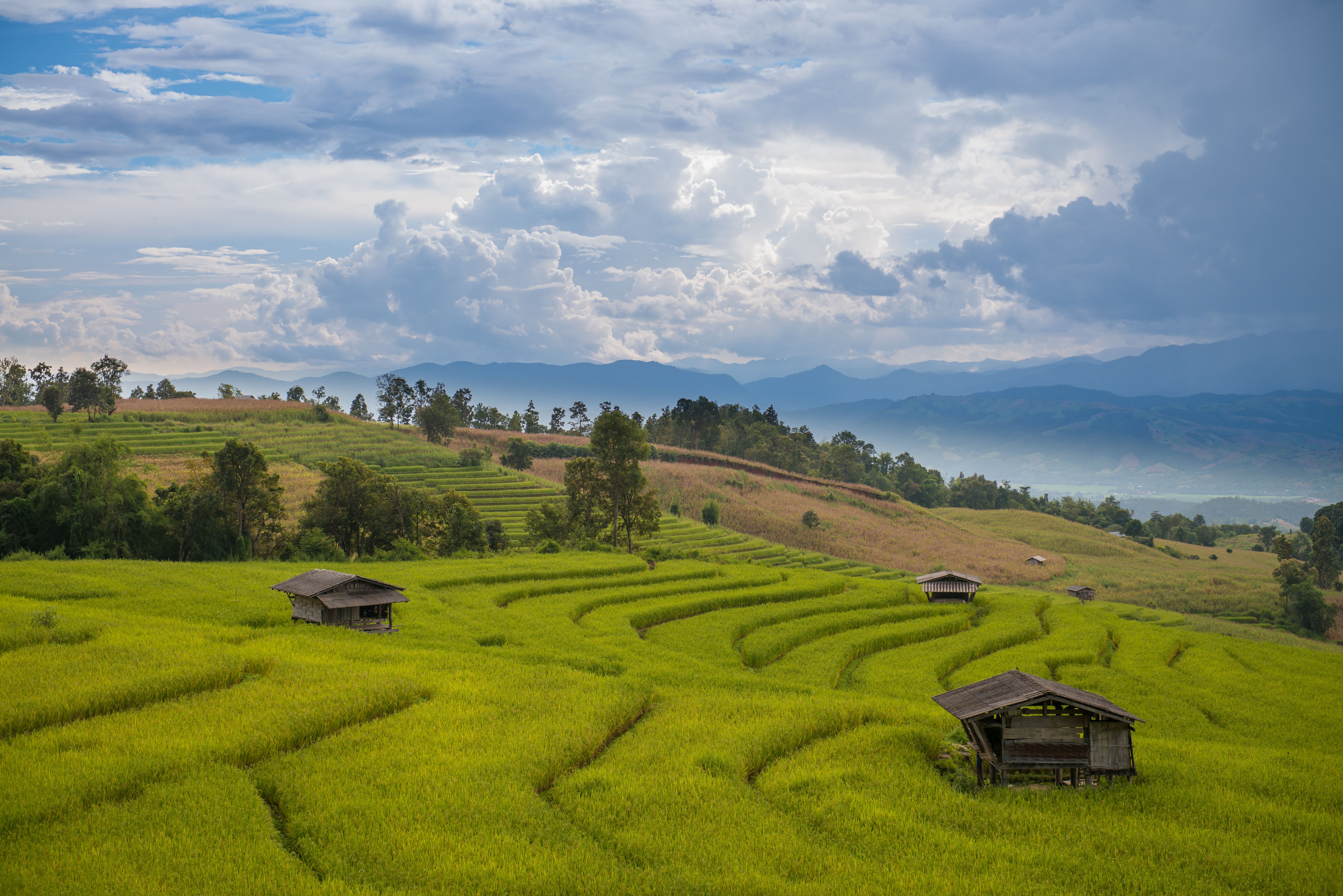
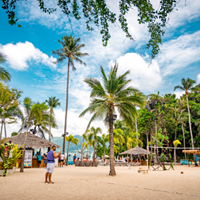
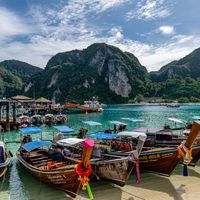
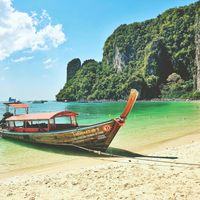
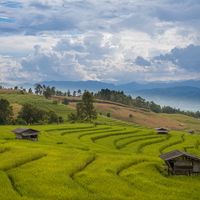
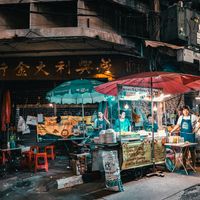
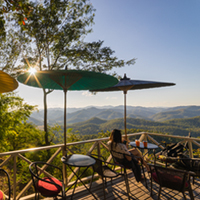
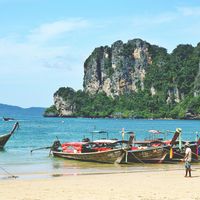
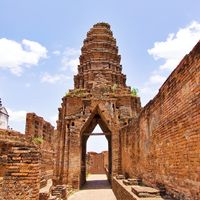
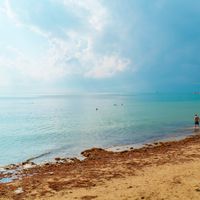
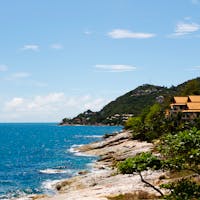
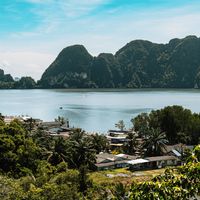
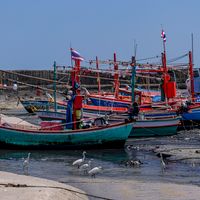
Coastal BeachesThailand is a Southeast Asian nation known for its vibrant culture, stunning natural landscapes, and rich Buddhist heritage. Located in mainland Southeast Asia, it features diverse geography ranging from tropical beaches in the south to mountainous regions in the north. The country has a dynamic economy blending traditional agriculture with modern tourism and manufacturing sectors. Thailand is famous for its warm hospitality, delicious cuisine, ornate temples, and bustling markets. The is relatively affordable compared to Western countries, making it attractive to expatriates. Bangkok, the capital, is a major cosmopolitan hub with modern infrastructure alongside traditional Thai culture.
 AGS Worldwide Movers
Get Quote
Relocating abroad soon? Make your move with AGS! AGS Worldwide Movers is a leader in the international moving industry. Our experience and expertise allows us to guarantee our clients the best quality moving services.
AGS Worldwide MoversRelocating abroad soon? Make your move with AGS! AGS Worldwide Movers is a leader in the international moving industry. Our experience and expertise allows us to guarantee our clients the best quality moving services.
Get Quote





Podcasts

Episode 8: Jake Barber - The Expat Finance Expert Returns



Episode 6: Jake Barber - Expat Finance Expert and Lifelong Expat
Living in Thailand
Best Places to Live in Thailand
Visa & Residency
Obtaining a residency in Thailand can be a straightforward process, but it requires careful preparation and adherence to the country's laws. The most common visa for expats seeking long-term residency is the Non-Immigrant Visa “O-A” (Long Stay). This visa is specifically designed for foreigners over 50 years old who wish to retire in Thailand. Applicants must meet financial requirements, such as having a certain amount of money in a Thai bank account or a monthly income or pension. Another option for expats is the Non-Immigrant Visa “B” (Business Visa), which is suitable for those who are employed or are starting a business in Thailand. This visa requires sponsorship from a Thai company and proof of adequate finances. For digital nomads, the Smart Visa is a relatively new option that caters to individuals in specific industries such as technology or startups. The Smart Visa comes in different categories, each with its own set of qualifications and benefits, allowing stays from 1 to 4 years without the need for a work permit. The application process for a Smart Visa involves presenting a viable business plan or employment contract from a qualifying company, and the criteria are quite stringent to ensure that applicants are bringing valuable skills to the country. The process of applying for a residency visa typically involves submitting an application to a Thai embassy or consulate in the applicant's home country. Required documents usually include a passport valid for at least six months, completed application forms, passport-sized photos, and relevant financial evidence. Some visas may also require a medical certificate and a police clearance certificate. Once in Thailand, visa holders must report to immigration every 90 days and may have to renew their visa annually. The difficulty of the process can vary depending on the type of visa and the applicant's circumstances, but with proper preparation and documentation, it can be considered average in terms of complexity compared to other countries. It is highly recommended to consult with the Thai embassy or a legal professional for the most current information and guidance throughout the visa application process.
Healthcare in Thailand
Thailand's healthcare system is a mix of public and private healthcare services. The public healthcare system is overseen by the Ministry of Public Health and provides services to Thai citizens through a universal coverage scheme, which is largely funded by the government. The quality of public healthcare varies, with urban areas typically having better facilities and more resources than rural areas. Private healthcare in Thailand is known for its high quality and is a popular choice for expats and medical tourists, offering state-of-the-art facilities and shorter waiting times. The cost of private healthcare is higher than public healthcare but is still considered affordable compared to Western standards. Expats and digital nomads can access public healthcare if they are employed in Thailand and contribute to the social security system, or they can purchase private health insurance to access private hospitals.
Cost of Living
Thailand offers a low cost of living, particularly outside Bangkok. Monthly rent for a one-bedroom apartment in central Bangkok ranges from $400-800 USD, while outside the city it can be $200-400 USD. Property purchases are affordable compared to Western countries, though prices in prime Bangkok areas have increased. Daily expenses including food, transportation, and utilities are significantly cheaper than in developed nations, making Thailand accessible for various budget levels.
Weather
Thailand experiences a tropical climate with three main seasons: hot (March-May), rainy (June-October), and cool (November-February). Temperatures remain warm year-round, typically ranging from 25-35°C (77-95°F). The rainy season brings significant monsoon precipitation, particularly to coastal and northern regions. The cool season offers the most pleasant weather conditions for most visitors and residents.
Educational System in Thailand
The educational system in Thailand is overseen by the Ministry of Education and is divided into three levels: basic education, vocational education, and higher education. Basic education in Thailand is compulsory and free for all children for 12 years, typically starting at the age of 6. It consists of 6 years of primary education (Prathom 1-6) and 6 years of secondary education, which is split into lower secondary (Mattayom 1-3) and upper secondary (Mattayom 4-6). The school year in Thailand starts in May and ends in March, with a break in October. Thai schools focus on a broad curriculum that includes Thai language, mathematics, science, social science, health and physical education, arts and crafts, and foreign languages. After completing Mattayom 6, students can take the National Education Test to apply for universities. There are also international schools that offer curricula from the United States, the United Kingdom, and other countries, which might be more familiar to expatriate families. These schools typically have grade levels and graduation systems similar to those in their respective countries. The quality of education in Thailand varies, with private and international schools generally offering higher standards and more resources compared to public schools.
Living in Thailand
Healthcare in Thailand
Best Places to Live in Thailand
Moving to Thailand