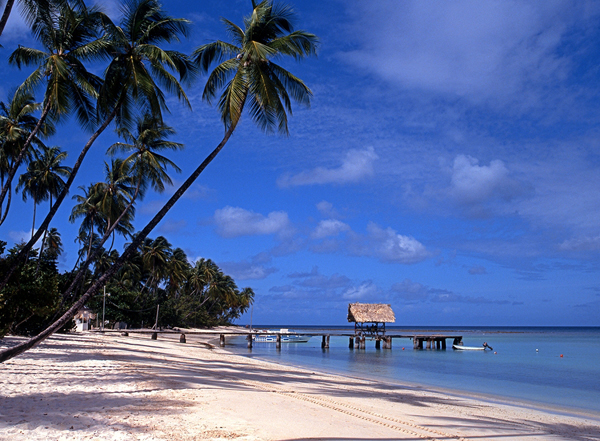
Trinidad & Tobago
Coastal BeachesTrinidad & Tobago is a dual-island nation located in the southern Caribbean, just off the coast of Venezuela. The islands are known for their remarkable biodiversity, vibrant multicultural society, and significant oil and natural gas reserves that have historically driven economic development. The culture is a rich blend of African, Indian, European, and indigenous influences, reflected in the famous Carnival celebrations, diverse cuisine, and music traditions like calypso and soca. The economy, while historically dependent on energy exports, is gradually diversifying into tourism and other sectors. Life on the islands offers a tropical Caribbean experience with a relatively developed infrastructure compared to neighboring nations, though visitors and residents should be aware of crime concerns in certain urban areas.
 BlueCross BlueShield Global Solutions
Get Quote
BlueCross BlueShield Global Solutions (BCBS) offers global health plans for international assignments or trips lasting 6 months or longer. With access to over 1.7M medical providers in 190 countries around the world, BCBS provides members with solutions and industry-leading digital services - ensuring top-quality coverage to people who live, work, study and travel internationally.
BlueCross BlueShield Global SolutionsBlueCross BlueShield Global Solutions (BCBS) offers global health plans for international assignments or trips lasting 6 months or longer. With access to over 1.7M medical providers in 190 countries around the world, BCBS provides members with solutions and industry-leading digital services - ensuring top-quality coverage to people who live, work, study and travel internationally.
Get Quote
Podcasts

Episode 6: Jake Barber - Expat Finance Expert and Lifelong Expat



Episode 8: Jake Barber - The Expat Finance Expert Returns
Living in Trinidad & Tobago
Best Places to Live in Trinidad & Tobago
Visa & Residency
Obtaining a residency in Trinidad & Tobago involves several steps and the process can be considered average in terms of difficulty. Expats looking to reside in Trinidad & Tobago typically apply for a Work Permit or a Student Permit, depending on their purpose of stay. To obtain a Work Permit, an expat must first secure a job offer from a company in Trinidad & Tobago. The employer must then apply for the Work Permit on behalf of the expat. This process involves submitting various documents, including a job offer letter, qualifications of the expat, and proof that the position could not be filled locally. The Work Permit is usually valid for one to three years and can be renewed. For those seeking to study in Trinidad & Tobago, a Student Permit is required. The application should be made after gaining admission to a recognized educational institution in the country. The student will need to provide evidence of acceptance into a program of study, proof of financial support, and a valid passport. Both Work and Student Permits can lead to residency if the expat continues to renew their permit and remains in good legal standing. After legally residing in the country for a continuous period, expats may apply for permanent residency. It is important to note that there is no specific visa category for digital nomads in Trinidad & Tobago. However, many digital nomads enter the country on a tourist visa, which allows them to stay for up to 90 days. This visa does not permit employment in the country, so digital nomads must ensure their income is sourced from outside Trinidad & Tobago. The process of obtaining a residency visa in Trinidad & Tobago requires patience and careful attention to detail, as the expat must ensure all documentation is accurate and complete. Working with the employer or educational institution in Trinidad & Tobago can help streamline the process. It is also advisable to consult with the Ministry of National Security or an attorney for the most current advice and assistance.
Healthcare in Trinidad & Tobago
The system in Trinidad and Tobago is a mix of public and private healthcare services. The public healthcare system is accessible to all citizens and legal residents, providing a range of services from primary care to specialized treatments, free of charge at the point of delivery. However, the public system often faces challenges such as long wait times, resource constraints, and varying levels of service quality across different institutions. Private healthcare, on the other hand, offers faster and often higher quality services but at a cost, which can be covered by private health insurance or out-of-pocket payments. Expats and digital nomads can access public healthcare once they become legal residents or if they contribute to the National Insurance Scheme, though many opt for private health insurance to ensure quicker and more comfortable service. The quality of healthcare can vary, with some private institutions offering services comparable to developed countries, while public hospitals may not meet those same standards.
Cost of Living
The cost of living in Trinidad & Tobago is moderate to high, particularly in the capital Port of Spain and popular expat areas. Rental prices for a one-bedroom apartment in the city center typically range from TTD $3,000-6,000 (USD $450-900) monthly, while property purchases average TTD $4,000-8,000 per square meter in desirable neighborhoods. Daily expenses for groceries and dining are relatively affordable compared to North American standards, though imported goods carry premium prices. Overall, it is more expensive than many Caribbean neighbors but less costly than developed nations.
Weather
Trinidad & Tobago experiences a tropical climate with warm temperatures year-round, typically ranging from 24-32°C (75-90°F). The dry season runs from January to May, while the wet season occurs from June to December, with September and October being the wettest months. The islands can experience occasional tropical storms and hurricanes, particularly during the Atlantic hurricane season from June to November. Humidity is generally high throughout the year due to the tropical location.
Educational System in Trinidad & Tobago
The educational system in Trinidad and Tobago is modeled after the British education system and is known for its high standards. Education is compulsory between the ages of 5 and 16, and the system is divided into three levels: primary, secondary, and tertiary. Children typically start primary school at age 5 and complete it by age 11 or 12, moving on to secondary school, which lasts for five to seven years. Secondary education is divided into lower secondary and upper secondary, with students taking the Caribbean Secondary Education Certificate (CSEC) exams at the end of lower secondary. Those who continue to upper secondary may sit for the Caribbean Advanced Proficiency Examination (CAPE). The country has a mix of public and private schools, with the government providing free education at all levels. The academic year runs from September to July, and the curriculum includes a broad range of subjects, preparing students for higher education or vocational paths. The literacy rate is high, reflecting the emphasis on education in the country's development. Parents moving to Trinidad and Tobago can expect a structured education system with a variety of options for their children's schooling.
Living in Trinidad & Tobago
Healthcare in Trinidad & Tobago
Best Places to Live in Trinidad & Tobago
Moving to Trinidad & Tobago