Uganda
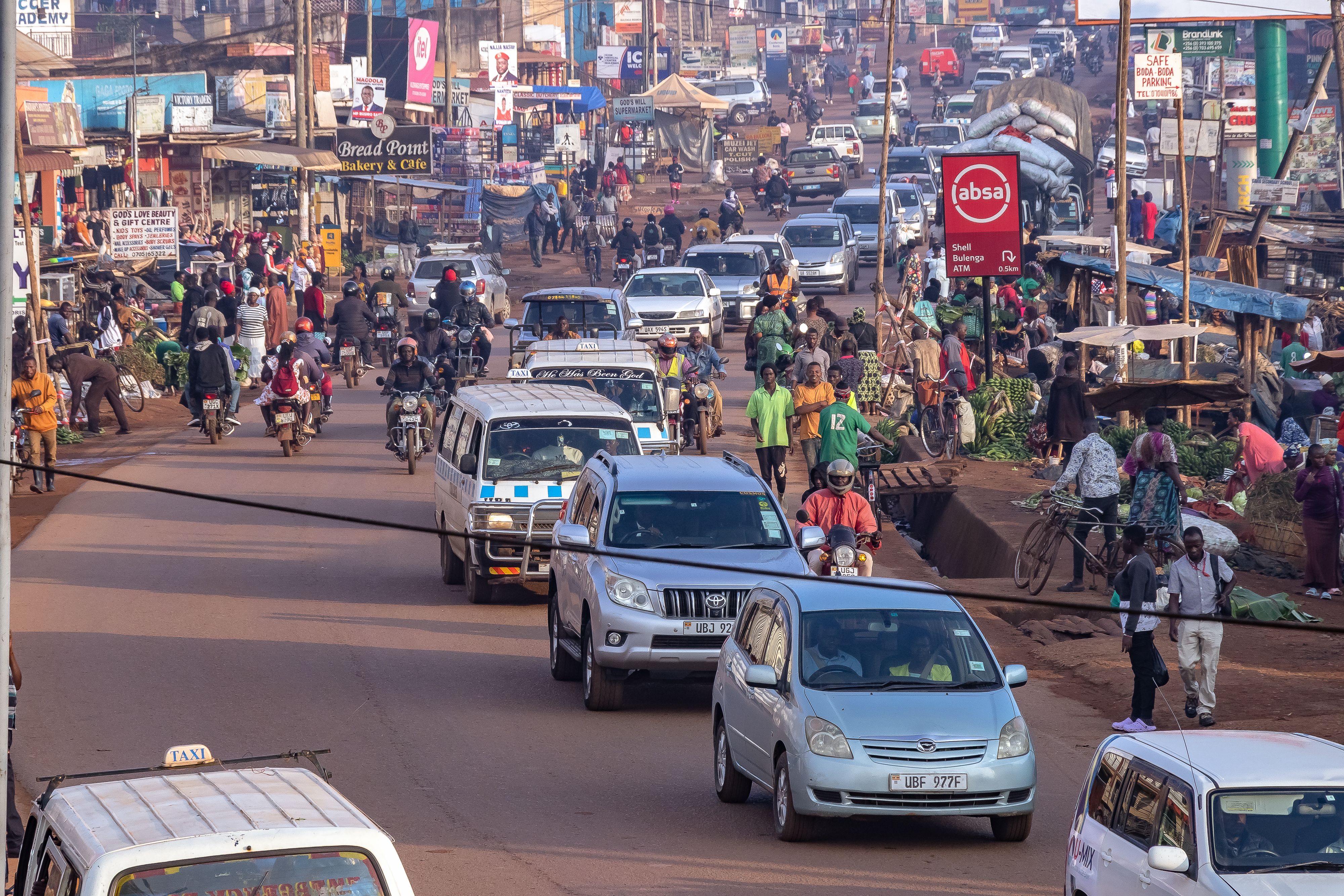
Uganda is a landlocked country in East Africa known for its diverse landscapes, including tropical forests, savannas, and the dramatic peaks of the Rwenzori Mountains. The country straddles the equator and is home to significant portions of Lake Victoria, Africa's largest lake. Uganda has a rich cultural heritage with over 50 ethnic groups, each with distinct languages and traditions, creating a vibrant and diverse society. The economy is primarily agricultural, with coffee, tea, and cotton as major exports, though tourism centered on mountain gorillas and wildlife is increasingly important. Life in Uganda offers a blend of urban development in cities like Kampala with access to pristine natural environments. The country has experienced significant growth and development in recent decades, though infrastructure varies between urban and rural areas.
 SJB Global
Connect
SJB-Global is a top-rated financial advisory firm specializing in expat financial advice worldwide, offering retirement planning & tax-efficient solutions with a regressive fee model. Our clients benefit from their country’s most favorable tax environment by utilizing the efficient investment vehicles we offer. Our commitment to quality service is reflected in our stellar reviews, with over 300 testimonials boasting 95% five-star ratings.
Click connect to have our partner contact you via e-mail and/or phone.
SJB GlobalSJB-Global is a top-rated financial advisory firm specializing in expat financial advice worldwide, offering retirement planning & tax-efficient solutions with a regressive fee model. Our clients benefit from their country’s most favorable tax environment by utilizing the efficient investment vehicles we offer. Our commitment to quality service is reflected in our stellar reviews, with over 300 testimonials boasting 95% five-star ratings.
Connect
Click connect to have our partner contact you via e-mail and/or phone.
Podcasts

Episode 8: Jake Barber - The Expat Finance Expert Returns



Episode 6: Jake Barber - Expat Finance Expert and Lifelong Expat
Living in Uganda
Best Places to Live in Uganda
Visa & Residency
Obtaining a residency in Uganda involves several steps and the process can be considered average in terms of difficulty. The most common types of visas for expats are the Class G1 Ordinary Residence Visa and the Class D2 Work Visa. The Class G1 visa is suitable for those who wish to stay in Uganda for an extended period for purposes other than employment, such as retirees or dependents. The Class D2 visa is designed for those who have secured employment in Uganda and is often sponsored by the employer. To apply for a residency visa, an expat must first gather the required documents, which typically include a valid passport, passport-sized photographs, a letter of invitation or employment from a Ugandan company, police clearance from the expat's home country, and possibly a medical report. The applicant must then complete the relevant application forms, which can be obtained from the Directorate of Citizenship and Control (DCIC) or its website. Once the application is submitted along with the necessary fees, it is reviewed by the immigration authorities. The process can take several weeks or even months, and it may require an interview or additional documentation. Expats should be prepared for potential delays and should apply well in advance of their intended move date. For digital nomads, the Class G2 Special Pass is often used. This pass is not a long-term residency visa but allows for stays of up to 3 months, which can be ideal for nomads who wish to live temporarily in Uganda while working remotely. The application process for the Special Pass is similar to that of other visas, requiring documentation such as a passport, proof of sufficient funds, and a return ticket. Overall, while the process is bureaucratic and can be time-consuming, it is manageable with proper planning and preparation. Expats are advised to closely follow the guidelines provided by the DCIC and to seek assistance from local contacts or professionals if necessary.
Healthcare in Uganda
The system in Uganda is a mix of public and private providers. The public healthcare system is underfunded and often lacks adequate resources, which can lead to shortages of medical supplies and long waiting times for treatment. Private healthcare is available and generally offers higher quality services, but at a cost that is unaffordable for many Ugandans. The cost of public healthcare is relatively low, but the quality varies greatly, and in some cases, patients may need to pay for services that are supposed to be free. Expats and digital nomads can access public healthcare, but it is recommended that they have private health insurance to cover the costs of private healthcare, which provides a higher standard of care.
Cost of Living
Uganda has a relatively low cost of living compared to Western countries and many African nations. Rental accommodation ranges from $200-600 USD monthly for modest apartments in Kampala to $50-150 USD in smaller towns, while property purchases average $1,500-3,000 USD per square meter in urban areas. Daily expenses including food, transportation, and utilities are affordable, with local meals costing $1-3 USD and public transport fares under $1 USD, making it an economical destination for expatriates.
Weather
Uganda has a tropical climate with two main rainy seasons: March to May and September to November, with the heaviest rainfall in the southwestern highlands. Temperatures remain relatively consistent year-round, typically ranging from 15-25°C (59-77°F) in highland areas and 20-30°C (68-86°F) in lower regions. The driest periods occur from June to August and December to February, making these months popular for tourism and outdoor activities. Humidity is generally high throughout the year due to the tropical climate and proximity to large water bodies.
Educational System in Uganda
The educational system in Uganda is structured in a way that provides a series of levels from primary to secondary education, followed by tertiary institutions. Education in Uganda is mandatory for children between the ages of six and thirteen, which covers primary education. The primary level consists of seven grades, known as Primary One to Primary Seven. After completing primary school, students sit for the Primary Leaving Examination (PLE) to qualify for secondary education. Secondary education is divided into two cycles: Ordinary Level (O-Level), which spans four years from Senior One to Senior Four, and Advanced Level (A-Level), which covers two years from Senior Five to Senior Six. Students take the Uganda Certificate of Education (UCE) at the end of O-Level and the Uganda Advanced Certificate of Education (UACE) at the end of A-Level. The school year in Uganda typically starts in February and ends in November, with breaks in between terms. The quality of education varies, with urban schools generally having better facilities and resources than rural ones. English is the language of instruction in most schools, which is beneficial for expatriate families. However, challenges such as large class sizes, limited resources, and teacher shortages can affect the quality of education. Despite these challenges, Uganda has made significant strides in improving literacy rates and educational access in recent years.