Paysandu
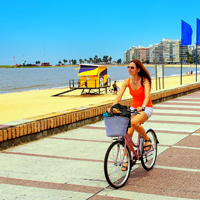
Country RiverfrontPaysandú sits on the Uruguay River's western bank, a working city where the pace feels unhurried but purposeful. The streets have the worn dignity of a place that mattered—it was once a crucial port and remains the second-largest city in the Litoral region. You'll find colonial architecture alongside modest residential blocks, plazas where locals gather, and a waterfront that defines the city's character without dominating it. The river itself is wide and serious here, not a decorative feature but a presence that shaped everything from commerce to daily rhythms. There's no tourist gloss; Paysandú functions as a real city for real people, with markets, schools, and businesses that serve the region. The cultural life includes theaters and museums reflecting its historical importance. It's a place where you experience Uruguay's interior character—quieter than Montevideo, more grounded than beach towns, with genuine local culture rather than curated experiences.
 Mobility LC
Connect
Mobility LC is committed to work hard to make your Uruguayan immigration and relocation process a reality. We can provide you with the best local contacts and will guide you all the way through the process offering support in 5 different languages. Your success is our personal goal.
Click connect to have our partner contact you via e-mail and/or phone.
Mobility LCMobility LC is committed to work hard to make your Uruguayan immigration and relocation process a reality. We can provide you with the best local contacts and will guide you all the way through the process offering support in 5 different languages. Your success is our personal goal.
Connect
Click connect to have our partner contact you via e-mail and/or phone.
Visa & Residency
Uruguay is known for its welcoming policy towards expats and retirees, offering a straightforward process for obtaining residency. The most popular visas for expats are the Rentista Visa, for individuals with a steady income from outside Uruguay, and the Pensionado Visa, for retirees with a pension. Digital nomads often opt for Uruguay’s Temporary Residence Visa, which allows them to live in the country for up to two years, with the possibility of extension or applying for permanent residency. To begin the residency process in Uruguay, expats must first enter the country on a tourist visa. Once in Uruguay, the individual must apply for residency through the Dirección Nacional de Migración (National Migration Directorate). The application requires various documents, including a birth certificate, proof of income, and a certificate of good conduct from the applicant's country of origin. All documents from abroad must be apostilled or legalized and translated into Spanish. The Rentista Visa requires proof of a monthly income of at least USD 1,500 from a stable source, such as investments, properties, or businesses outside of Uruguay. The Pensionado Visa, on the other hand, requires proof of receiving a pension, with a minimum amount that is periodically adjusted for inflation. Once the application is submitted, the expat must undergo a health check in Uruguay. After the health check and submission of all required documents, the expat will receive a temporary resident ID, known as a cédula, which allows them to live and work legally in Uruguay while their residency application is being processed. The process is generally considered easy compared to other countries, especially for those from the Mercosur countries, who benefit from a simplified process. However, it can take several months to a year for the residency to be approved. Once approved, the expat can apply for permanent residency, which can be granted after two years of temporary residency. Permanent residents are eligible to apply for Uruguayan citizenship after five years of residence in the country.
Cost of Living
Living in Paysandú costs considerably less than Montevideo or coastal resort areas, with affordable housing, inexpensive local food, and reasonable utility costs. The city's distance from major tourist infrastructure keeps prices accessible for both residents and visitors seeking a budget-friendly Uruguayan experience.
Weather
Paysandú has a subtropical climate with warm summers and mild winters, experiencing moderate rainfall throughout the year.
Healthcare in Paysandu
Hospital Salto (the main public facility) provides basic emergency and general care, though serious cases often transfer to Montevideo. Private clinics exist but are limited in scope. For complex procedures or specialists, residents typically travel to the capital.
Restaurants in Paysandu
Living in Paysandu
Moving to Paysandu
Healthcare in Paysandu