Afghanistan
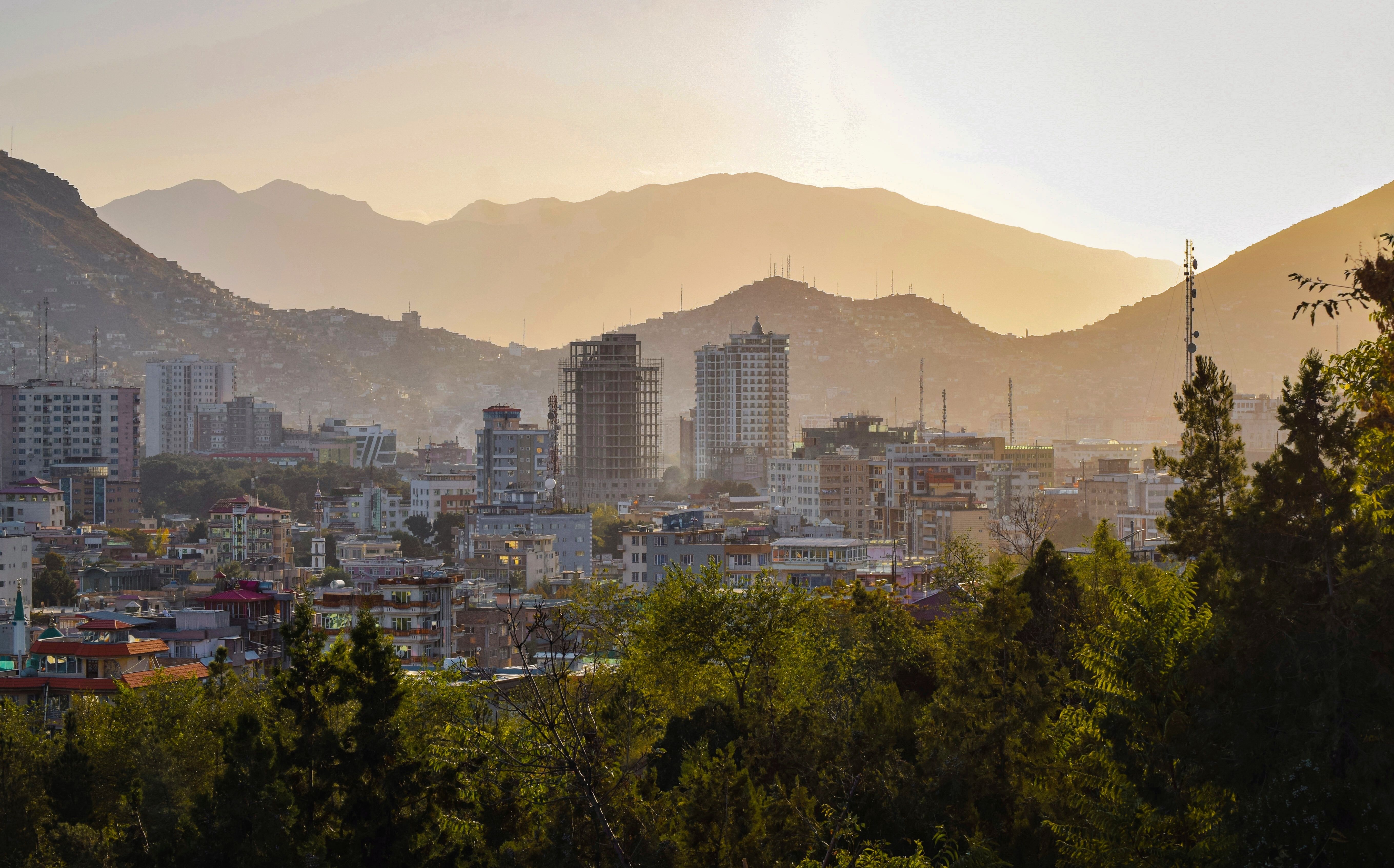
Afghanistan is a landlocked country in South Asia bordered by Pakistan, Iran, Tajikistan, Uzbekistan, and Turkmenistan. The nation is characterized by rugged mountainous terrain, particularly the Hindu Kush range, which dominates much of the landscape. Afghan culture is deeply rooted in Islamic traditions, with Pashto and Dari as primary languages, and the population is known for strong tribal and family bonds. The economy is largely based on agriculture, natural resources, and international aid, though it remains one of the least developed in the world. Life in Afghanistan can be challenging due to ongoing security concerns, limited infrastructure, and economic instability, though major cities like Kabul offer some modern amenities. Expat relocation is uncommon and typically limited to diplomatic, NGO, and international organization personnel.
 SJB Global
Connect
SJB-Global is a top-rated financial advisory firm specializing in expat financial advice worldwide, offering retirement planning & tax-efficient solutions with a regressive fee model. Our clients benefit from their country’s most favorable tax environment by utilizing the efficient investment vehicles we offer. Our commitment to quality service is reflected in our stellar reviews, with over 300 testimonials boasting 95% five-star ratings.
Click connect to have our partner contact you via e-mail and/or phone.
SJB GlobalSJB-Global is a top-rated financial advisory firm specializing in expat financial advice worldwide, offering retirement planning & tax-efficient solutions with a regressive fee model. Our clients benefit from their country’s most favorable tax environment by utilizing the efficient investment vehicles we offer. Our commitment to quality service is reflected in our stellar reviews, with over 300 testimonials boasting 95% five-star ratings.
Connect
Click connect to have our partner contact you via e-mail and/or phone.
Podcasts

Episode 6: Jake Barber - Expat Finance Expert and Lifelong Expat



Episode 8: Jake Barber - The Expat Finance Expert Returns
Living in Afghanistan
Visa & Residency
Obtaining a residency in Afghanistan can be a complex and challenging process, reflecting the country's ongoing security concerns and bureaucratic hurdles. The types of visas available for expatriates include work visas, business visas, and investment visas. The work visa is the most common type for expatriates who have secured employment within Afghanistan. To apply for a work visa, an individual must have a job offer from a registered Afghan company, which then sponsors the visa application. The company must justify hiring a foreign national over a local employee. The process involves submitting various documents, including a passport valid for at least six months, visa application forms, employment contract, letter of invitation from the sponsoring company, and sometimes a no-objection certificate from the Ministry of Interior. Additional documents may be required depending on the specific circumstances of the applicant. The application is submitted to an Afghan embassy or consulate abroad. The processing time can vary greatly, and there is often a lack of transparency in the process. Once in Afghanistan, expatriates must also register with the local police department and obtain a residency permit, which can be another complex process involving multiple government agencies. For business and investment visas, similar documentation and sponsorship are required, with additional proof of business activities or investment in the country. These visas are typically reserved for those who can contribute significantly to the Afghan economy and can be difficult to obtain without the right connections and substantial investment capital. Overall, the difficulty of obtaining residency in Afghanistan is compounded by the country's unstable political and security situation, which can lead to frequent changes in visa regulations and enforcement. It is highly recommended to work closely with legal experts or consultants who specialize in Afghan law to navigate the process.
Healthcare in Afghanistan
The system in Afghanistan has been significantly affected by decades of conflict, leading to a system that struggles with a lack of infrastructure, resources, and trained healthcare professionals. Public healthcare is available, but it is often underfunded and understaffed, which affects the quality of care provided. Private healthcare exists and can offer better services, but it is costly and not accessible to the majority of the population. The quality of both public and private healthcare varies widely, with urban areas typically having better services than rural regions. For expatriates and digital nomads, access to public healthcare is limited, and they often rely on private healthcare or travel to neighboring countries for more serious medical issues. It is advisable for expats and digital nomads to have comprehensive health insurance that covers medical evacuation.
Cost of Living
The cost of living in Afghanistan is generally very low by international standards, though prices have risen due to inflation and security challenges. Housing costs vary dramatically by location; in Kabul, rent for a modest apartment ranges from $300-800 USD monthly, while outside major cities it is significantly cheaper. Daily expenses for food, transportation, and utilities remain affordable, though imported goods and services in secure compounds for expats command premium prices.
Weather
Afghanistan experiences a continental climate with extreme seasonal variations. Winters are harsh and long, particularly in mountainous regions where temperatures can drop well below freezing and heavy snowfall occurs. Summers are hot and dry, with temperatures in lowland areas reaching 35-40°C (95-104°F). Spring and autumn are brief transitional seasons with moderate temperatures.
Educational System in Afghanistan
The educational system in Afghanistan has faced numerous challenges over the years, including political instability, conflict, and cultural barriers. Despite these challenges, the system consists of primary, secondary, and tertiary education. Education typically begins at the age of seven, starting with primary school, which lasts for six years. Following primary education, students attend secondary school, which is divided into two three-year phases: lower secondary and higher secondary. Upon completion of higher secondary education, students may take a university entrance exam known as the Kankor. The quality of education can vary significantly, with urban areas typically having better-equipped schools than rural regions. Girls' education has been a particular area of concern, with many barriers to access, although efforts are ongoing to improve this. The curriculum is overseen by the Afghan Ministry of Education and includes subjects such as mathematics, science, literature, and religious studies. The academic year usually runs from March to November, with exams conducted at the end of each term.