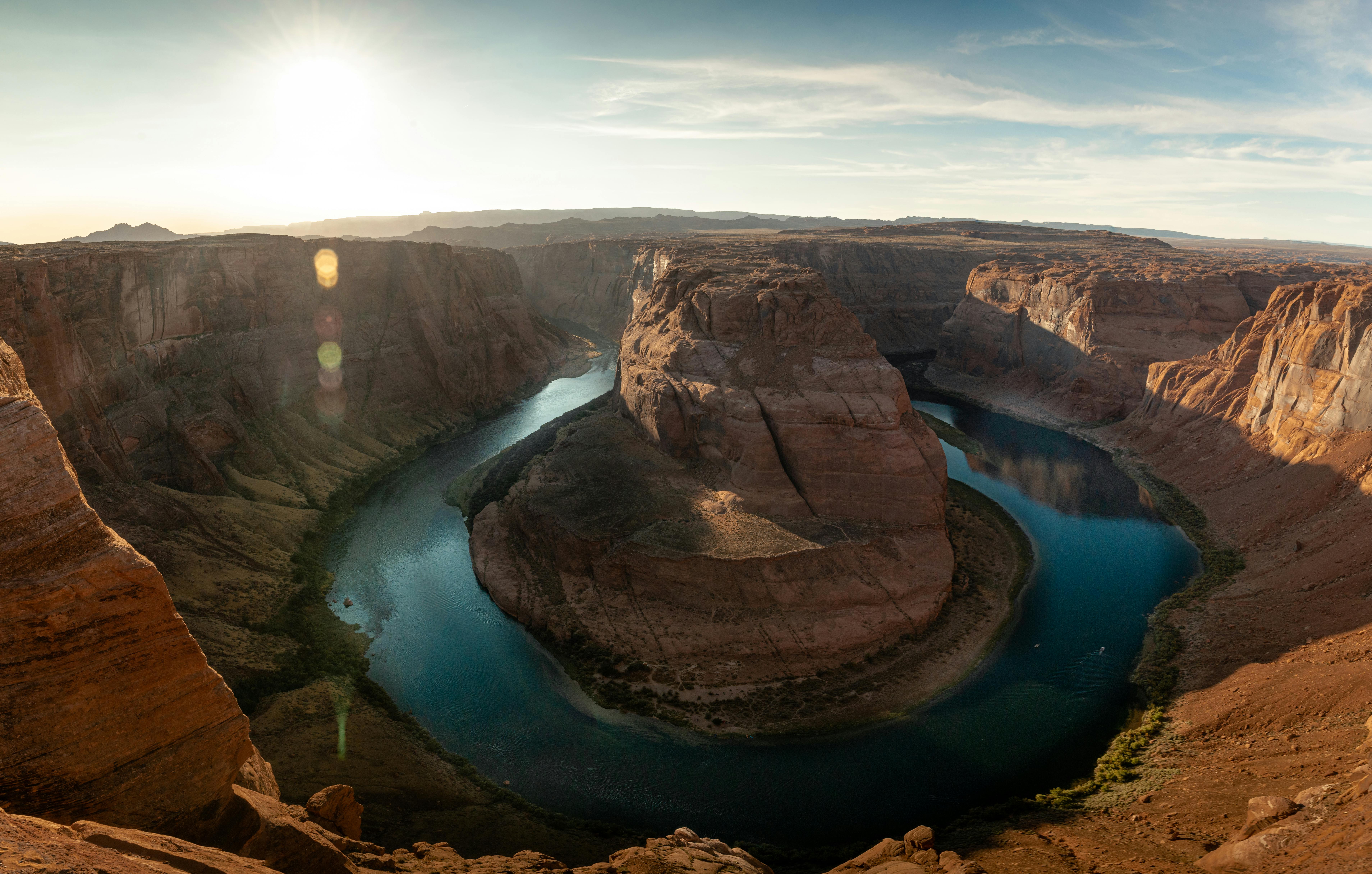
Arizona
Arizona is a large southwestern US state known for its dramatic desert landscapes, including the iconic Grand Canyon. The state experiences a unique blend of urban development and natural wilderness, with Phoenix serving as a major metropolitan hub and cultural center. Arizona's economy is diverse, spanning tourism, technology, aerospace, agriculture, and manufacturing sectors. The state attracts residents seeking warm weather, outdoor recreation opportunities, and a relatively lower compared to coastal states. Arizona has a rich cultural heritage influenced by Native American tribes, Spanish colonial history, and modern American frontier spirit. The lifestyle emphasizes outdoor activities, with hiking, golf, and water sports being popular pastimes.
Podcasts

Episode 8: Jake Barber - The Expat Finance Expert Returns



Episode 6: Jake Barber - Expat Finance Expert and Lifelong Expat
Best Places to Live in Arizona
Cost of Living
Arizona offers a relatively affordable cost of living compared to many US states, particularly outside of Phoenix's central areas. Housing costs vary significantly by location; Phoenix metro area median home prices range from $350,000-$450,000, while rural areas are considerably cheaper. Rental prices in Phoenix average $1,200-$1,600 for a one-bedroom apartment, making it more affordable than coastal metropolitan areas. Utilities and everyday expenses are moderate, though air conditioning costs can be substantial during summer months.
Weather
Arizona features a hot desert climate with extremely hot summers where temperatures regularly exceed 100°F (38°C) from June through August. Winters are mild and pleasant, particularly in Phoenix and southern regions, with daytime temperatures typically in the 60s-70s°F (15-24°C). The state receives minimal rainfall annually, with most precipitation occurring during monsoon season from July to September. Northern Arizona, particularly around Flagstaff, experiences cooler temperatures and occasional winter snow due to higher elevation.
Educational System in Arizona
The educational system in Arizona is structured similarly to the rest of the United States. Education is compulsory for children from ages 6 to 16. The system is divided into elementary school (kindergarten through 6th grade), middle school (7th and 8th grades), and high school (9th through 12th grades). Children typically start kindergarten at the age of 5 and graduate from high school at around 18. Arizona has a mix of public, charter, private, and homeschooling options, with public schools being the most common. The state follows the Common Core standards, aiming to provide a consistent, clear understanding of what students are expected to learn. The quality of education can vary significantly depending on the school district and the specific school. Arizona has faced challenges in funding and teacher retention, which have impacted the quality of education in some areas. However, there are also many schools that are highly rated and offer excellent educational opportunities. Parents moving to Arizona from another country should research specific schools in their area to understand the quality and educational offerings, including special programs for gifted students or English language learners