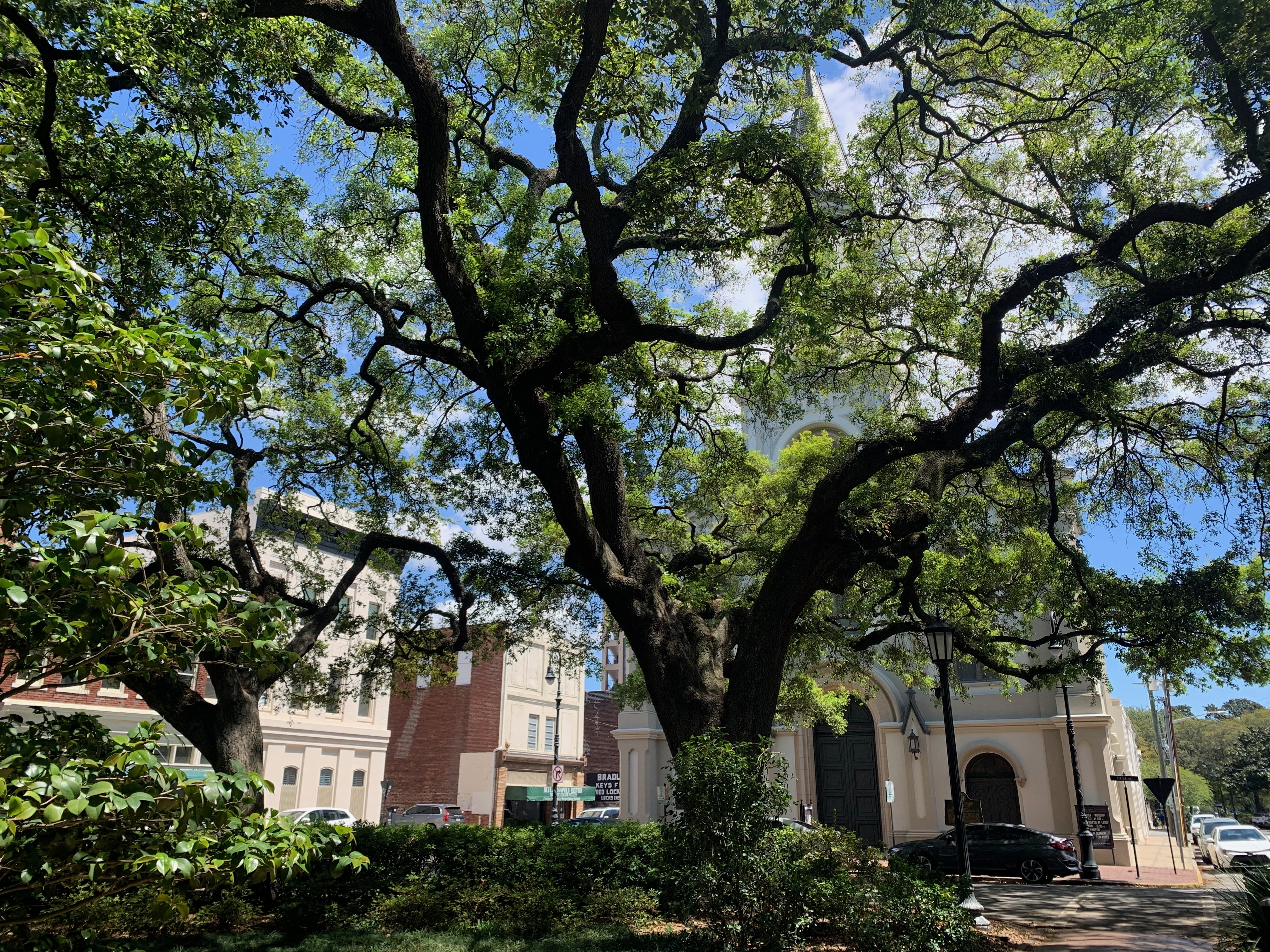
Georgia
Coastal BeachesGeorgia is a southeastern U.S. state known for its diverse landscape, ranging from the Blue Ridge Mountains in the north to coastal plains and the Atlantic coastline in the east. Atlanta, the state capital, is a major economic hub and cultural center with a thriving tech industry, film production, and corporate headquarters. The state has a rich history deeply connected to the American South, with significant cultural contributions to music, literature, and civil rights. Georgia offers a blend of urban amenities in Atlanta, charming small towns, and natural attractions. The state has experienced rapid population growth and economic development in recent decades. Life in Georgia combines Southern hospitality with modern urban opportunities, particularly in metropolitan areas.
Podcasts

Episode 8: Jake Barber - The Expat Finance Expert Returns



Episode 6: Jake Barber - Expat Finance Expert and Lifelong Expat
Best Places to Live in Georgia
Cost of Living
Georgia offers a moderate cost of living compared to many U.S. states, though costs vary significantly between Atlanta and rural areas. Housing in Atlanta has become increasingly expensive, with median home prices ranging from $350,000–$450,000 in desirable neighborhoods, while rental apartments average $1,200–$1,800 monthly. Outside metropolitan areas, housing is considerably more affordable. Overall daily expenses, including groceries and utilities, are reasonable relative to the national average, making Georgia accessible for many relocating families and professionals.
Weather
Georgia experiences a humid subtropical climate with four distinct seasons. Summers are hot and humid, with temperatures typically ranging from 85–95°F (29–35°C), while winters are mild to cool, with temperatures rarely dropping below freezing in most areas. Spring and fall are pleasant with moderate temperatures. The state receives moderate rainfall throughout the year, with occasional severe weather including thunderstorms and rare winter snow in northern regions.
Educational System in Georgia
The educational system in Georgia is structured similarly to the rest of the United States, with a mix of public, private, and homeschooling options available. Public education is free and is divided into elementary, middle, and high school levels. Children typically start kindergarten at the age of five and complete high school by the age of eighteen, earning a diploma. The state follows a grade level system starting from Kindergarten to 12th grade. Elementary school usually includes Kindergarten through 5th grade, middle school from 6th to 8th grade, and high school from 9th to 12th grade. Georgia has adopted the Common Core State Standards, ensuring a consistent, high-quality education in English language arts and mathematics. The state also offers various magnet, charter, and specialized schools focusing on different educational approaches or themes, such as science, technology, engineering, and mathematics (STEM), performing arts, or international studies. Additionally, Georgia's Pre-K Program is available to prepare four-year-olds for elementary school. Parents moving to Georgia from another country can expect a supportive educational environment with a variety of resources designed to help students of all backgrounds succeed.