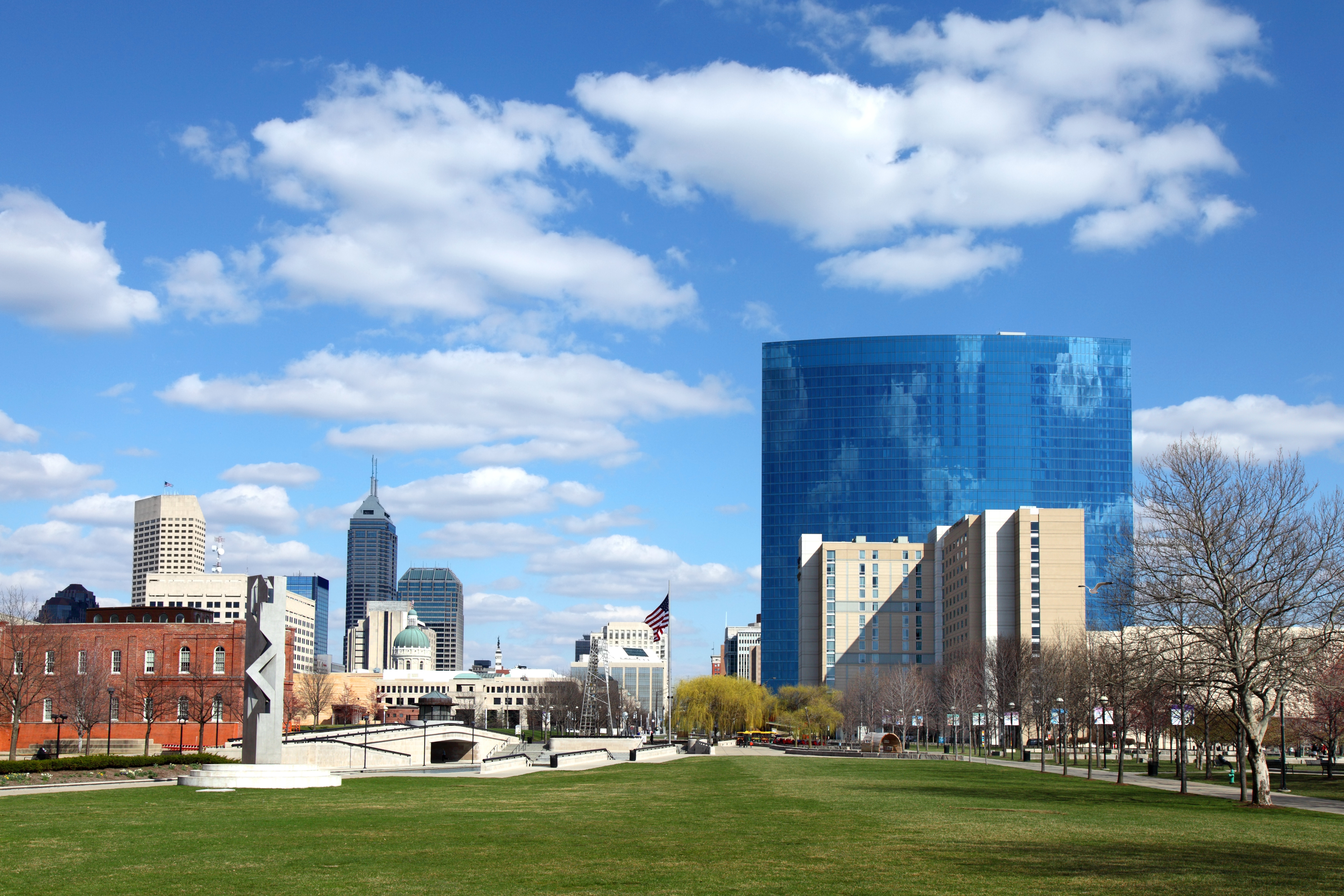


Indiana
Indiana is a Midwestern state located in the Great Lakes region, known for its flat to gently rolling terrain and central location in the United States. The state has a rich industrial heritage, particularly in steel manufacturing and automotive production, though its economy has diversified significantly. Indiana offers a blend of urban amenities in cities like Indianapolis and Fort Wayne, alongside charming small towns and rural communities. The culture reflects traditional Midwestern values with strong community ties, and the state is home to significant educational institutions and cultural attractions. Life in Indiana is generally characterized by affordability, friendly neighborhoods, and a moderate pace compared to major coastal cities. The state provides good access to both natural recreation and urban conveniences.
Podcasts

Episode 6: Jake Barber - Expat Finance Expert and Lifelong Expat



Episode 8: Jake Barber - The Expat Finance Expert Returns
Best Places to Live in Indiana
Cost of Living
Indiana has a low to moderate cost of living compared to national averages. Housing is relatively affordable, with median home prices ranging from $150,000–$250,000 depending on location, and rental prices averaging $800–$1,200 monthly for a one-bedroom apartment in urban areas. Daily expenses including groceries, utilities, and transportation are below the national average, making Indiana an economical choice for families and individuals seeking affordability without sacrificing access to amenities.
Weather
Indiana experiences a continental climate with four distinct seasons. Winters are cold and moderately snowy, with temperatures typically ranging from 20–35°F (-7 to 2°C), while summers are warm and humid, averaging 75–85°F (24–29°C). Spring and fall are mild transitional seasons with pleasant temperatures. The state occasionally experiences severe weather including thunderstorms in spring and summer, and rare tornadoes.
Educational System in Indiana
The educational system in Indiana is structured to provide a range of learning opportunities for students from early childhood through secondary education. In Indiana, children typically start their education with kindergarten at the age of 5 or 6. Elementary school includes grades 1 through 6, where students build foundational skills in reading, writing, mathematics, science, and social studies. Middle school, which includes grades 7 and 8, serves as a transition period where students are introduced to a more departmentalized approach to education, often moving between classrooms and teachers for different subjects. High school, comprising grades 9 through 12, prepares students for college and careers, with a curriculum that includes a broad range of subjects and the opportunity for advanced placement (AP) courses and dual credit courses that can count toward college credit. Students typically graduate at the age of 18. Indiana places a strong emphasis on standardized testing, with students taking assessments at various grade levels to measure proficiency in core subjects. The state also offers charter schools, private schools, and homeschooling options, providing families with a choice in their children's education. Public education in Indiana is funded by the state, and schools are held accountable for meeting academic standards set by the Indiana Department of Education.