

Maine
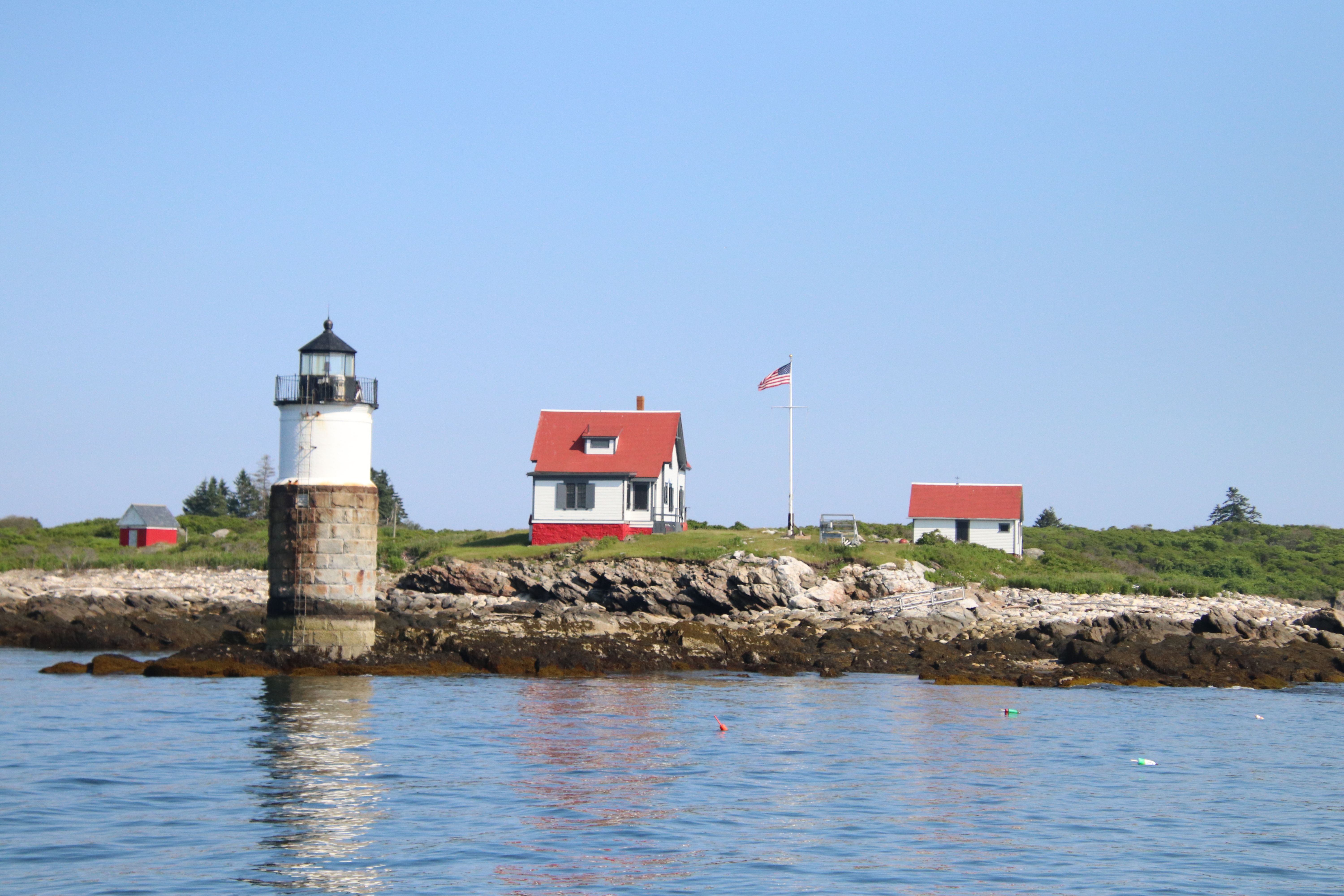
Coastal BeachesMaine, located in the northeastern United States in the New England region, is known for its rugged natural beauty, extensive coastline, and maritime heritage. The state's economy has historically centered on fishing, forestry, and tourism, with lobster fishing being particularly iconic. Maine offers a blend of outdoor recreation opportunities, charming small towns, and a strong sense of community. The culture emphasizes self-reliance, environmental stewardship, and connection to nature. Life in Maine tends to be slower-paced than major urban centers, with strong seasonal rhythms and a tight-knit community feel, particularly outside Portland and Bangor. The state attracts those seeking natural beauty, outdoor activities, and a quieter lifestyle away from metropolitan areas.
Podcasts

Episode 8: Jake Barber - The Expat Finance Expert Returns



Episode 6: Jake Barber - Expat Finance Expert and Lifelong Expat
Best Places to Live in Maine
Cost of Living
Maine's cost of living is moderate, generally lower than many northeastern states but higher than national averages. Housing costs vary significantly by location; coastal areas and Portland command premium prices with median home values around $350,000–$450,000, while rural inland areas offer more affordable options starting around $200,000. Rental prices in Portland average $1,200–$1,600 for a one-bedroom apartment, while smaller towns offer lower rents. Overall daily expenses for groceries, utilities, and services are reasonable compared to neighboring New England states.
Weather
Maine experiences a continental climate with four distinct seasons and significant seasonal variation. Winters are long, cold, and snowy, with temperatures often dropping below freezing from December through March. Summers are mild to warm with moderate humidity, making them pleasant for outdoor activities. Spring and fall are transitional seasons with variable weather and beautiful foliage in autumn.
Educational System in Maine
The educational system in Maine is structured to provide a range of learning opportunities for students from pre-kindergarten through 12th grade. Education in Maine is compulsory for children from the age of 7 until they turn 17 or graduate from high school. The public school system is divided into elementary, middle, and high schools, with elementary education typically starting at kindergarten or first grade and continuing until fifth or sixth grade. Middle school generally includes grades six to eight, and high school comprises grades nine to twelve. Maine also offers various options for early childhood education, including pre-kindergarten programs for four-year-olds. The state is committed to ensuring high-quality education and has implemented standards-based education, where students are expected to meet specific learning standards at each grade level. High school students in Maine have the opportunity to engage in advanced placement courses, dual enrollment with colleges, and vocational education programs. Upon completion of the 12th grade, students receive a high school diploma, marking the end of their secondary education. Maine's education system also includes private schools and homeschooling options, providing families with alternative educational pathways. The state's Department of Education oversees the public education system, ensuring that schools adhere to educational standards and that students have access to a free and appropriate public education.