
Pennsylvania
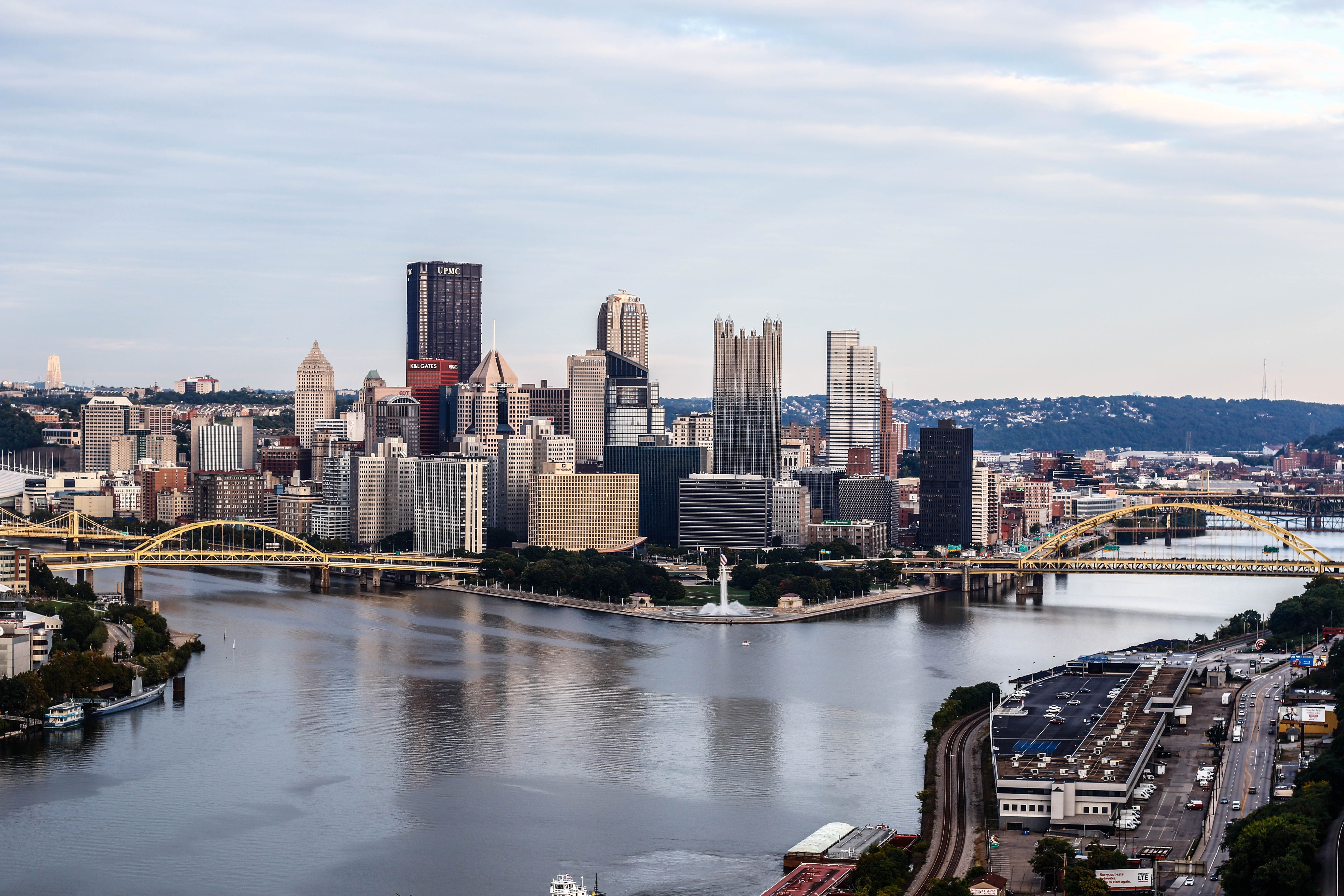
Pennsylvania is a northeastern U.S. state located in the Mid-Atlantic region, known for its rich history, diverse landscapes, and significant industrial heritage. The state features the Appalachian Mountains in the west, rolling farmland in the central regions, and urban centers like Philadelphia and Pittsburgh. Pennsylvania has a strong economy historically rooted in steel and coal, now diversifying into technology, healthcare, and education sectors. The state is home to prestigious universities, vibrant cultural institutions, and a blend of urban and rural communities. Life in Pennsylvania offers access to outdoor recreation, cultural attractions, and relatively affordable living compared to neighboring northeastern states. The state plays an important role in American history and continues to be a major hub for commerce and innovation.
Podcasts
Episode 6: Jake Barber - Expat Finance Expert and Lifelong Expat
Episode 8: Jake Barber - The Expat Finance Expert Returns
Best Places to Live in Pennsylvania
Cost of Living
Pennsylvania offers moderate cost of living, generally more affordable than neighboring New York and New Jersey. Housing costs vary significantly by region—rural and smaller cities are quite affordable with homes ranging from $150,000-$250,000, while Philadelphia and Pittsburgh have higher prices averaging $300,000-$400,000+. Rental prices are reasonable outside major cities, typically $800-$1,200 for a one-bedroom apartment, though urban centers command higher rates. Overall daily expenses for groceries, utilities, and transportation are reasonable compared to other northeastern states.
Weather
Pennsylvania experiences a humid continental climate with four distinct seasons. Winters are cold and snowy, particularly in the western and mountainous regions, with temperatures often dropping below freezing from December through February. Summers are warm and humid, with temperatures typically ranging from 75-85°F (24-29°C). Spring and fall are mild and pleasant, making them popular seasons for outdoor activities.
Educational System in Pennsylvania
The educational system in Pennsylvania is comprehensive and serves students from early childhood through high school. Education is compulsory for children from ages 8 to 17, and the system is divided into elementary, middle, and high school levels. Elementary school typically includes kindergarten through fifth grade, where children start at around age 5 or 6. Middle school, also known as junior high, usually comprises sixth through eighth grades, catering to students approximately 11 to 14 years old. High school consists of ninth through twelfth grades, for students roughly between the ages of 14 and 18. Upon completion of twelfth grade, students graduate with a high school diploma, which is necessary for entry into higher education or the workforce. Pennsylvania schools offer a mix of public, private, and charter school options, with public schools being funded by state and local taxes. The state is known for its strong emphasis on education, with a variety of programs aimed at enhancing learning outcomes, including STEM initiatives, arts education, and advanced placement courses. Additionally, Pennsylvania has a system of Intermediate Units that provide specialized services to school districts, such as special education and technical education.