Washington
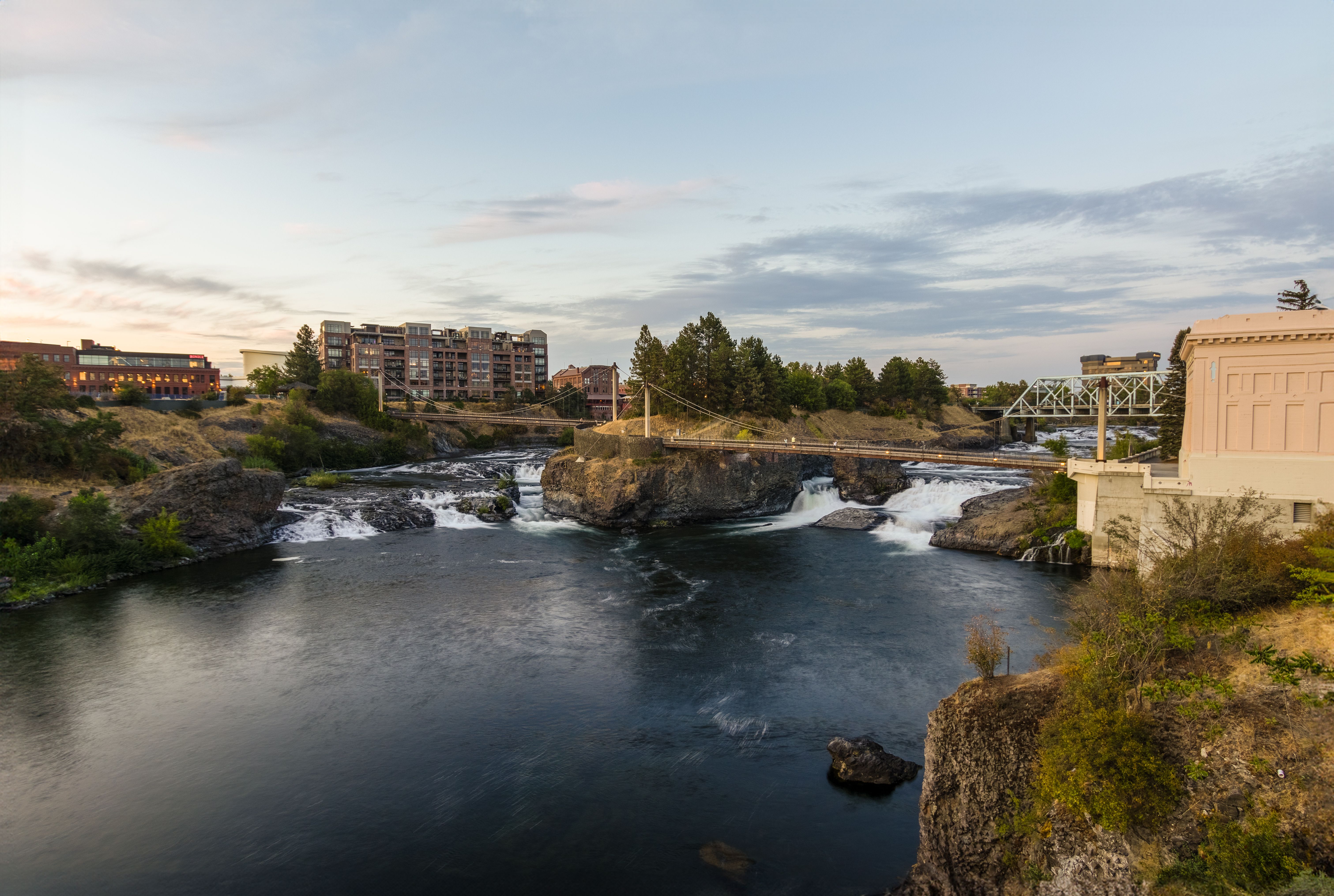
Coastal BeachesWashington is a Pacific Northwest state known for its diverse landscapes, ranging from the Cascade Mountains in the east to the coastal regions along the Pacific Ocean. The state is home to major cities like Seattle and Tacoma, which serve as economic and cultural hubs. Washington has a strong tech industry presence, particularly in the Seattle area, alongside significant aerospace, agriculture, and forestry sectors. The state is characterized by progressive values, outdoor recreation culture, and a generally educated population. Rain is common, especially in western regions, contributing to the lush green environment. The quality of life is generally high, with excellent access to natural amenities and urban amenities.
Podcasts

Episode 6: Jake Barber - Expat Finance Expert and Lifelong Expat



Episode 8: Jake Barber - The Expat Finance Expert Returns
Best Places to Live in Washington
Cost of Living
Washington's cost of living is relatively high, particularly in the Seattle metropolitan area where housing prices have increased significantly in recent years. Median home prices in Seattle range from $600,000 to over $800,000, while rental prices for a one-bedroom apartment average $1,500-$2,000 monthly in urban centers. Outside major cities, costs are more moderate, though still above the national average. Daily expenses like groceries and utilities are comparable to or slightly higher than national averages.
Weather
Washington experiences a temperate oceanic climate with mild, wet winters and cool, dry summers. Western Washington receives significant rainfall year-round, particularly from fall through spring, while eastern Washington is much drier. Temperatures rarely reach extreme highs or lows, with winter averages around 40-50°F and summer highs around 75-80°F. Snow is uncommon in most populated areas, though mountain regions receive substantial snowfall.
Educational System in Washington
The educational system in Washington is comprehensive and serves students from kindergarten through 12th grade. Children typically start kindergarten at the age of five and progress through elementary, middle, and high school. Elementary school usually includes grades K-5, middle school includes grades 6-8, and high school comprises grades 9-12. Students graduate high school around the age of 18, after which they can pursue higher education or enter the workforce. Washington's public schools are known for their strong emphasis on academic excellence, with a curriculum that includes reading, writing, mathematics, science, social studies, arts, and physical education. The state also offers various programs for gifted students, as well as special education services for those with disabilities. Additionally, there are numerous private and charter schools available for families seeking alternative educational options. Washington has implemented the Common Core State Standards to ensure that all students, regardless of their school district, receive a quality education that prepares them for college and careers. The state also administers standardized tests to assess student progress and school performance. Parents moving to Washington from another country can expect a supportive educational environment that values diversity and strives to meet the needs of all students.