Bolivia
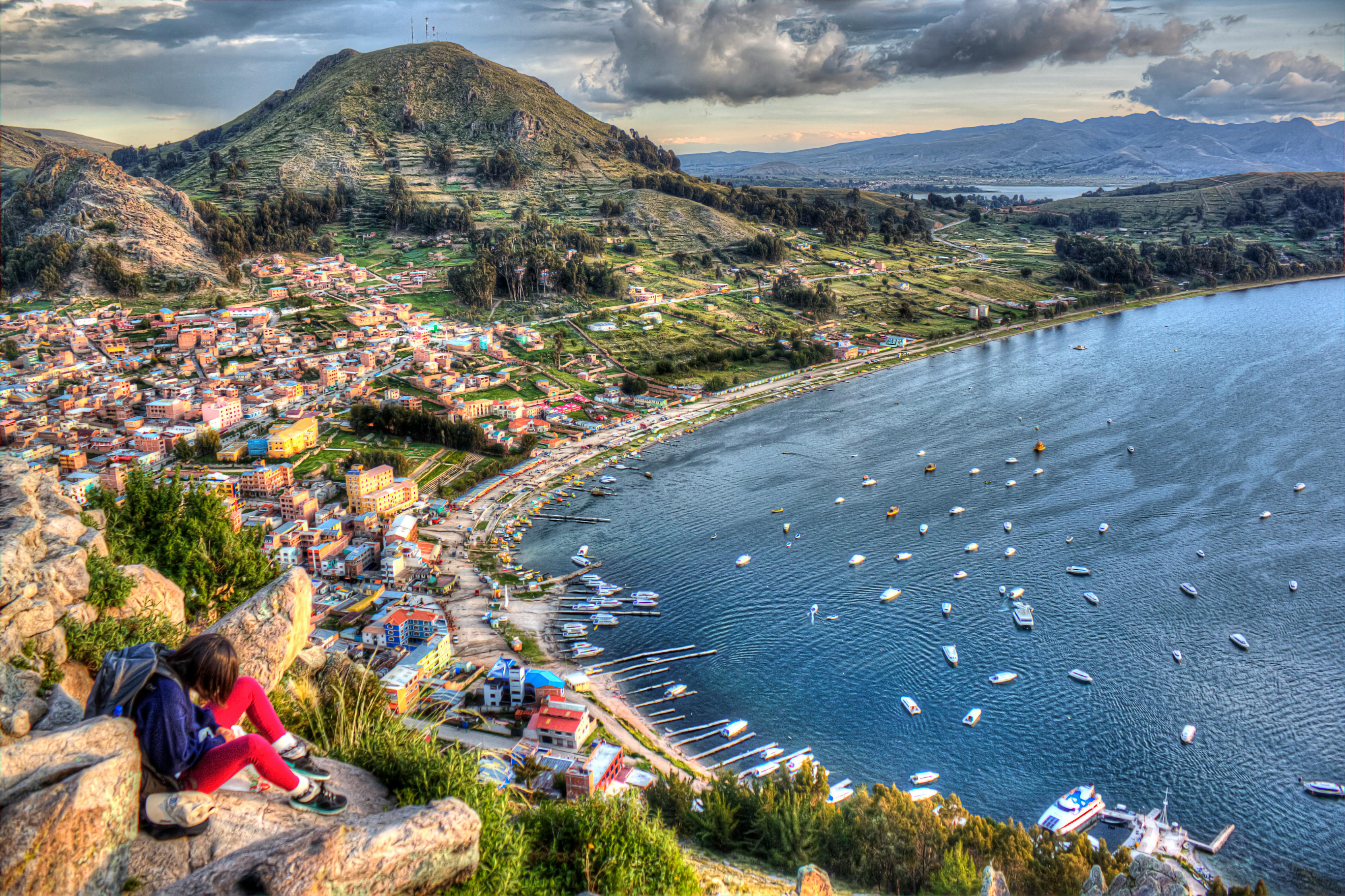
Bolivia is a landlocked country in central South America, known for its dramatic geography ranging from the high Andes mountains to the Amazon rainforest and vast lowland plains. The country has a rich indigenous heritage, with Quechua and Aymara peoples comprising a significant portion of the population, and Spanish is the official language. La Paz, the administrative capital, is one of the world's highest cities, while Sucre serves as the constitutional capital. Bolivia's economy is based on natural resources including tin, natural gas, and agricultural products, though it remains one of South America's less developed nations. The culture is vibrant and colorful, featuring traditional festivals, textiles, and music that reflect centuries of indigenous and Spanish influences. Life in Bolivia offers affordable living costs and authentic cultural experiences, though infrastructure and services vary significantly between urban and rural areas.
 SJB Global
Connect
SJB-Global is a top-rated financial advisory firm specializing in expat financial advice worldwide, offering retirement planning & tax-efficient solutions with a regressive fee model. Our clients benefit from their country’s most favorable tax environment by utilizing the efficient investment vehicles we offer. Our commitment to quality service is reflected in our stellar reviews, with over 300 testimonials boasting 95% five-star ratings.
Click connect to have our partner contact you via e-mail and/or phone.
SJB GlobalSJB-Global is a top-rated financial advisory firm specializing in expat financial advice worldwide, offering retirement planning & tax-efficient solutions with a regressive fee model. Our clients benefit from their country’s most favorable tax environment by utilizing the efficient investment vehicles we offer. Our commitment to quality service is reflected in our stellar reviews, with over 300 testimonials boasting 95% five-star ratings.
Connect
Click connect to have our partner contact you via e-mail and/or phone.
Podcasts

Episode 8: Jake Barber - The Expat Finance Expert Returns



Episode 6: Jake Barber - Expat Finance Expert and Lifelong Expat
Living in Bolivia
Best Places to Live in Bolivia
Visa & Residency
Obtaining a residency in Bolivia involves several steps and can be considered an average challenge for expats. The process begins with determining the appropriate type of visa for the individual's circumstances. The most common types of residency visas are the Temporary Residence Visa and the Permanent Residence Visa. For a Temporary Residence Visa, expats must first apply for a Specific Purpose Visa, which allows entry into Bolivia for the purpose of applying for residency. This visa is valid for 30 days and can be extended if necessary. Once in Bolivia, expats must submit various documents, including a passport valid for at least six months, proof of economic solvency, a criminal background check from their country of origin, and a health certificate, among others. The Temporary Residence Visa is typically granted for a period of one year and can be renewed. After two years on a Temporary Residence Visa, expats can apply for a Permanent Residence Visa. This process requires additional documentation, such as proof of stable income or a job contract in Bolivia, and evidence of having lived in the country for the required period. The entire process can be bureaucratic and time-consuming, often requiring visits to various government offices and potentially dealing with language barriers. It is highly recommended to have all documents correctly notarized and translated into Spanish, and in some cases, it may be beneficial to hire a local attorney or specialist to navigate the process. Digital nomads often start with a Specific Purpose Visa as well, but their intent is typically to stay for shorter periods. If they wish to stay longer, they must go through the process of applying for a Temporary Residence Visa, similar to other expats. Overall, while the process is not exceedingly difficult, it does require attention to detail and patience to ensure all requirements are met and procedures are correctly followed.
Healthcare in Bolivia
The system in Bolivia is a mix of public, private, and indigenous medicine. The public healthcare system is universal and free for all citizens, as established by the Unified Health System (Sistema Único de Salud, SUS) implemented in 2019. However, the quality of public healthcare can vary significantly, with urban areas typically having better facilities and more resources than rural areas. Private healthcare is also available and is generally of higher quality with more modern facilities and shorter wait times, but it is more expensive and not accessible to all Bolivians. Expats and digital nomads can access public healthcare once they have legal residence in Bolivia, but many opt for private health insurance to cover private healthcare services, which offer a higher standard of care. The cost of healthcare is relatively low compared to many Western countries, but the quality of care can be inconsistent.
Cost of Living
Bolivia has one of the lowest costs of living in South America, making it highly affordable for international relocators. Rental prices vary significantly by location: in La Paz, a one-bedroom apartment in the city center rents for approximately $300-500 USD monthly, while outside the center costs drop to $200-350. Property purchases are similarly affordable, with prices ranging from $1,500-3,000 USD per square meter in desirable urban areas. Daily expenses including food, transportation, and utilities are very reasonable, with a comfortable monthly budget of $800-1,200 USD covering rent, food, and leisure activities for a single person.
Weather
Bolivia's weather varies dramatically by altitude and region due to its diverse topography. The high Andean regions experience cool to cold temperatures year-round, with distinct wet and dry seasons; the wet season runs from November to March with heavy rainfall, while the dry season from May to September brings clearer skies and colder nights. The lowland Amazon and eastern regions are tropical and humid, with warm temperatures throughout the year and significant rainfall during the wet season. Temperature swings can be extreme in highland areas, with warm sunny days followed by cold nights, particularly during the dry season.
Educational System in Bolivia
The educational system in Bolivia is structured to provide free and compulsory education to all children from the age of 6 to 14. The system is divided into three levels: primary education (Educación Primaria), which lasts for eight years and is known as nivel primario; secondary education (Educación Secundaria), which lasts for four years and is known as nivel secundario; and higher education (Educación Superior), which includes universities and other institutes of higher learning. Children typically start primary education at the age of 6 and complete it by age 14. After that, they move on to secondary education, which is divided into two cycles: the first two years are general education, and the last two years are diversified into different branches according to the student's interests and abilities. Upon completion of secondary education at around 18 years of age, students receive a Bachillerato, equivalent to a high school diploma, which allows them to pursue higher education. The quality of education in Bolivia has been a subject of reform and improvement, with efforts to increase access to education, especially in rural areas, and to improve the curriculum and teaching methods.