Myanmar
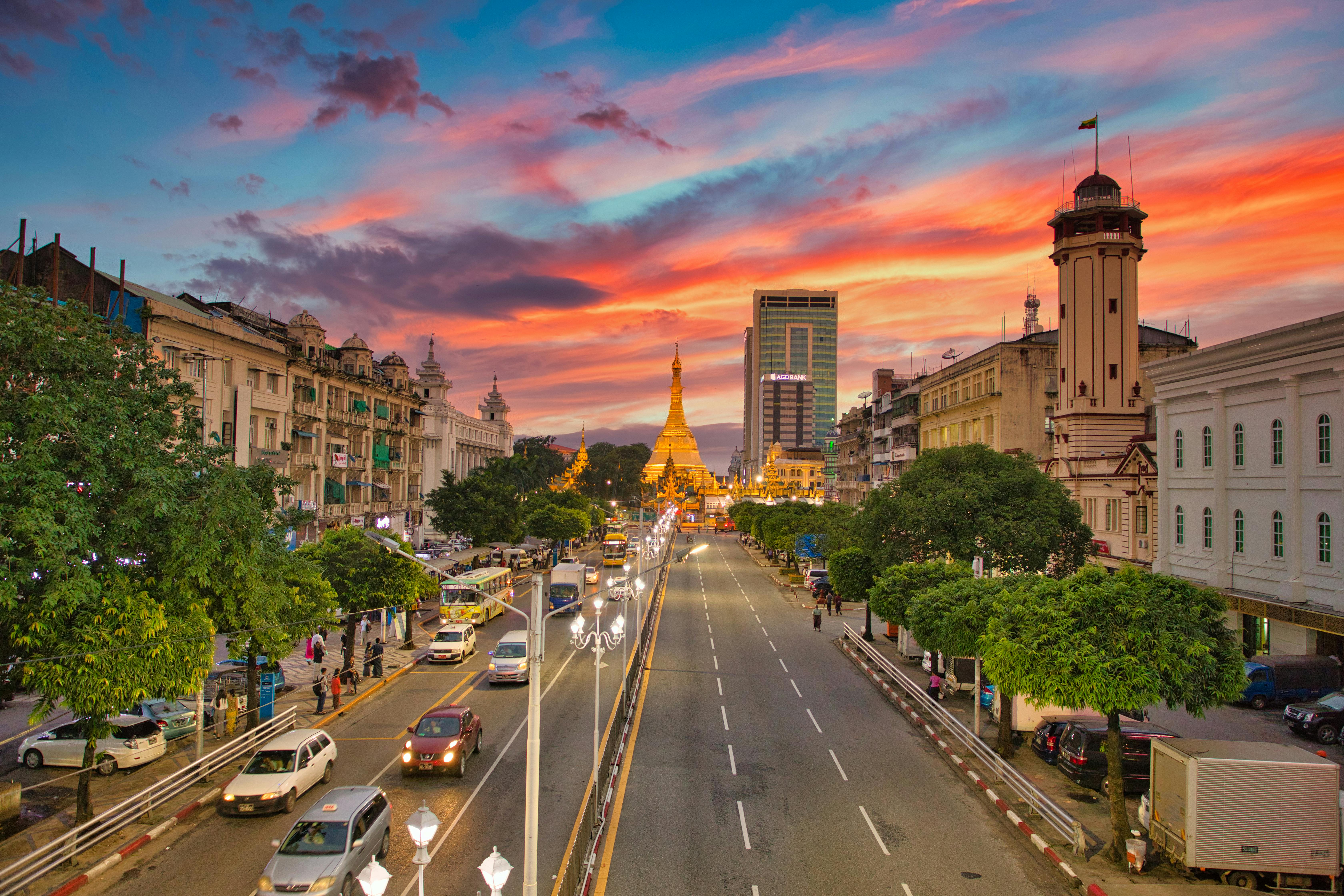
Coastal BeachesMyanmar, located in Southeast Asia between Bangladesh and Thailand, is a country of diverse landscapes ranging from the Irrawaddy Delta to the Shan Plateau. The nation has a rich cultural heritage deeply influenced by Buddhism, with thousands of golden pagodas and monasteries dotting the landscape. Myanmar's economy is transitioning from isolation, with agriculture, natural gas, and tourism forming key sectors. The country offers a unique blend of traditional Southeast Asian culture with colonial-era architecture in cities like Yangon and Mandalay. Life in Myanmar is generally affordable, with a slower pace outside major urban centers, though infrastructure and services vary significantly by region. The political situation has been complex in recent years, which potential relocators should research carefully.
 PassportCard Expat Health Insurance
Get Quote
Never worry about paying your medical bills out of pocket again. The innovative PassportCard allows for a stress-free experience for all expat families, remote travelers, and workers. With a 24/7 customer service and an outstanding customer base of over 2 Million clients, it will feel like medical care at home. Get up to 10% off on your policy now.
PassportCard Expat Health InsuranceNever worry about paying your medical bills out of pocket again. The innovative PassportCard allows for a stress-free experience for all expat families, remote travelers, and workers. With a 24/7 customer service and an outstanding customer base of over 2 Million clients, it will feel like medical care at home. Get up to 10% off on your policy now.
Get Quote
Podcasts

Episode 8: Jake Barber - The Expat Finance Expert Returns



Episode 6: Jake Barber - Expat Finance Expert and Lifelong Expat
Living in Myanmar
Visa & Residency
Obtaining a residency in Myanmar can be a complex process, particularly due to the country's evolving policies and bureaucratic challenges. Expats looking to reside in Myanmar typically apply for either a Business Visa or an Employment Visa. The Business Visa is suitable for those who are involved in any business-related activities. It is initially valid for 70 days but can be extended. To apply for a Business Visa, one must have an invitation from a registered company in Myanmar and provide evidence of the business purpose. The Employment Visa is intended for those who have secured a job with a company in Myanmar. This visa requires an application that includes a letter of invitation from the employing company, a contract of employment, and other personal and professional documents. The Employment Visa is usually valid for up to three months but can be extended upon providing proof of ongoing employment. The process for both visas involves submitting the necessary documentation to a Myanmar embassy or consulate or applying online through the official eVisa system, where available. The eVisa system is relatively straightforward and can expedite the process, but it is not available for all types of visas or extensions. Once in Myanmar, expats must navigate the local immigration office for any required extensions, which can be time-consuming and require additional documentation. It is important to note that the political situation in Myanmar can impact visa policies and the ease of obtaining residency. The rules and requirements are subject to change, and it is advisable to consult the latest information from the Myanmar government or a professional visa service. Overall, the process is considered very challenging due to the detailed documentation required, the need for local sponsorship, and the potential for bureaucratic delays. Expats should be prepared for a rigorous application process and should ensure they remain compliant with the country's immigration laws to avoid penalties or deportation.
Healthcare in Myanmar
The system in Myanmar is a mix of public and private healthcare services. The public healthcare system is underfunded and faces challenges such as limited resources, inadequate infrastructure, and a shortage of trained healthcare professionals. As a result, the quality of public healthcare can be inconsistent, and patients often face long wait times for treatment. Private healthcare in Myanmar is generally of a higher standard, offering more modern facilities and shorter wait times, but it is also more expensive and thus less accessible to the general population. Expats and digital nomads can access public healthcare, but many opt for private healthcare due to the higher quality of services. It is advisable for expats and digital nomads to have comprehensive health insurance to cover the costs of private healthcare.
Cost of Living
Myanmar has a very low cost of living compared to Western countries and most developed Asian nations. Rental accommodation in Yangon ranges from $300-800 USD monthly for modest apartments, while outside major cities it can be significantly cheaper. Property purchases are restricted for foreign nationals, though long-term leases are available. Daily expenses including food, transportation, and utilities are quite affordable, making it an economical destination for expatriates.
Weather
Myanmar experiences a tropical monsoon climate with three distinct seasons: the hot season (March to May) with temperatures reaching 40°C (104°F), the rainy monsoon season (June to October) with heavy precipitation especially in coastal areas, and the cool season (November to February) with more moderate temperatures. The coastal regions receive significantly more rainfall than inland areas, particularly during the monsoon months. Humidity is generally high year-round, especially during and after the rainy season.
Educational System in Myanmar
The educational system in Myanmar, also known as Burma, has undergone various changes over the years. Education in Myanmar is government-operated and is divided into five levels: pre-primary, primary, secondary, higher secondary, and tertiary. The academic year runs from June to March and is divided into two semesters. Children typically start school at the age of five with kindergarten, which is not mandatory. Primary education begins at the age of six and lasts for five years, referred to as Standard 1 to 5. Secondary education is divided into two parts: lower secondary (Standards 6 to 9) and upper secondary (Standards 10 and 11). Students who complete Standard 11 and pass the matriculation exam are eligible to pursue higher education. The quality of education in Myanmar varies significantly, with urban schools generally better resourced than those in rural areas. The language of instruction is predominantly Burmese, and English is taught as a second language. In recent years, there has been an increase in catering to expatriates and local families seeking an international standard of education. These schools offer curricula such as the International Baccalaureate (IB) or the British IGCSE. The government has been working on educational reforms to improve the quality and accessibility of education, but challenges remain, including limited funding, teacher shortages, and ethnic conflicts that disrupt schooling in certain regions.