Germany
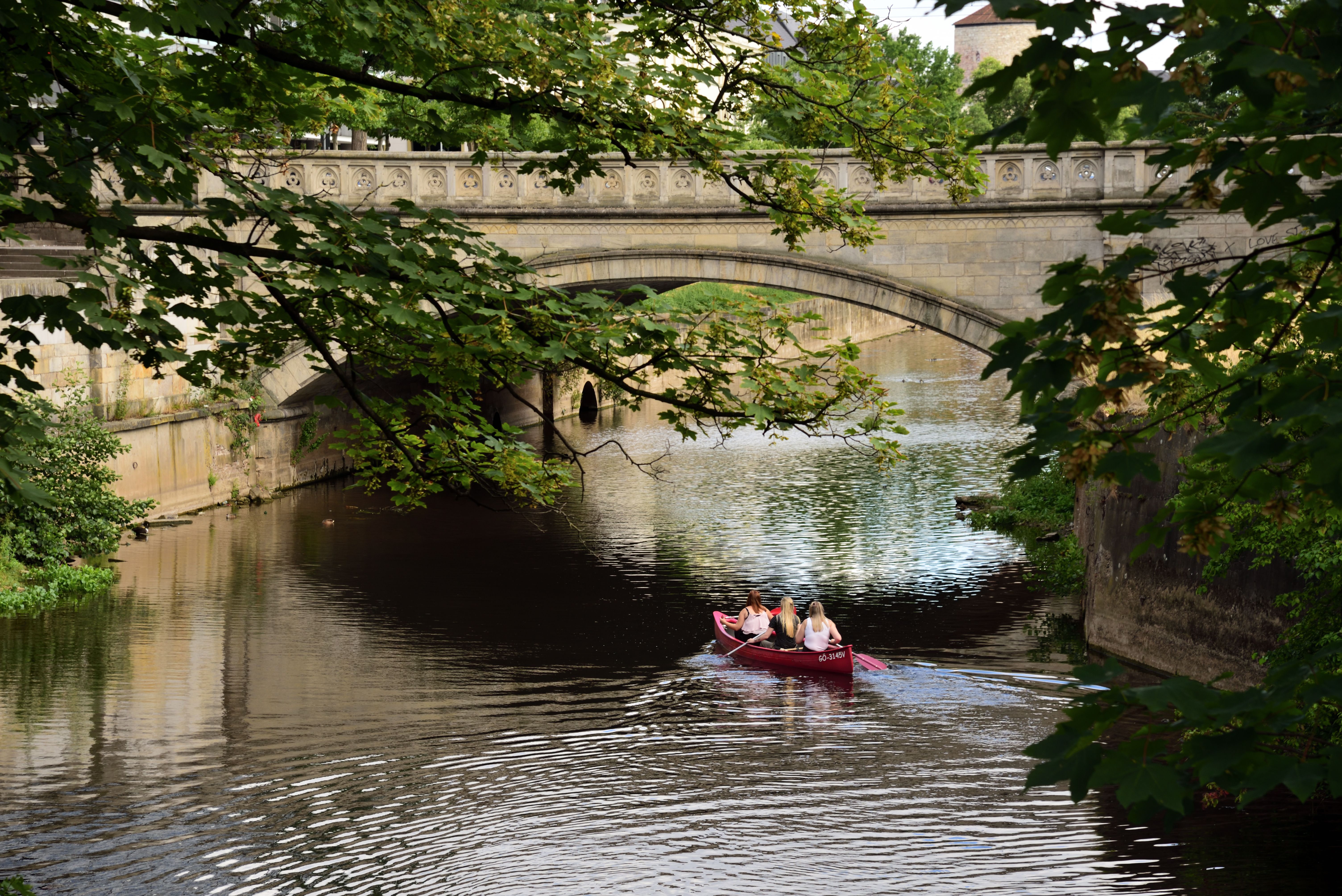
Coastal BeachesGermany is located in central Europe and is the continent's largest economy by GDP. Known for its rich history, engineering excellence, and cultural contributions, Germany offers a high standard of living with excellent infrastructure, healthcare, and education systems. The country blends medieval charm with modern innovation, featuring historic city centers alongside cutting-edge technology hubs. German culture emphasizes efficiency, quality, and work-life balance, with strong social safety nets and worker protections. Major cities like Berlin, Munich, and Frankfurt offer vibrant international communities, while smaller towns provide a more relaxed pace of life. Germany is particularly attractive to professionals in engineering, technology, finance, and creative industries.
 SJB Global
Connect
SJB-Global is a top-rated financial advisory firm specializing in expat financial advice worldwide, offering retirement planning & tax-efficient solutions with a regressive fee model. Our clients benefit from their country’s most favorable tax environment by utilizing the efficient investment vehicles we offer. Our commitment to quality service is reflected in our stellar reviews, with over 300 testimonials boasting 95% five-star ratings.
Click connect to have our partner contact you via e-mail and/or phone.
SJB GlobalSJB-Global is a top-rated financial advisory firm specializing in expat financial advice worldwide, offering retirement planning & tax-efficient solutions with a regressive fee model. Our clients benefit from their country’s most favorable tax environment by utilizing the efficient investment vehicles we offer. Our commitment to quality service is reflected in our stellar reviews, with over 300 testimonials boasting 95% five-star ratings.
Connect
Click connect to have our partner contact you via e-mail and/or phone.



Podcasts

Episode 6: Jake Barber - Expat Finance Expert and Lifelong Expat



Episode 8: Jake Barber - The Expat Finance Expert Returns
Living in Germany
Best Places to Live in Germany
Visa & Residency
Obtaining a residency in Germany involves several steps and the process can vary depending on the type of visa one is applying for. For expatriates, the most common types of residency visas include the EU Blue Card, Residence Permit for Employment, and Residence Permit for Self-Employed Business Purposes. The EU Blue Card is targeted at highly skilled professionals from non-EU countries who have a job offer in Germany with a minimum salary threshold. Applicants must have a recognized university degree or equivalent. The Residence Permit for Employment is for those who have a specific job offer in Germany, while the Residence Permit for Self-Employed Business Purposes is for entrepreneurs planning to start a business in Germany. To apply for any of these visas, one must first secure a job offer or prove their business plan's viability. The next step is to schedule an appointment with the German embassy or consulate in one's home country to submit the visa application. Required documents typically include a valid passport, proof of health insurance, proof of accommodation in Germany, and relevant certificates or diplomas. For the freelance visa, which is popular among digital nomads, applicants must also provide evidence of their freelance work, such as contracts or letters of intent from potential clients, and prove that their work is in demand in Germany. Once the initial visa is granted, which allows entry into Germany, expatriates must then register with the local residents' registration office and apply for a residence permit to stay longer than the visa's validity. The residence permit application process involves providing additional documentation, such as proof of financial stability and a clean criminal record. The duration of the residence permit can vary, but it is often issued for one year and can be renewed. The EU Blue Card, for example, can lead to permanent residency after 33 months, or 21 months with a B1 level of German language proficiency. Overall, while the process can be bureaucratic and requires thorough preparation, it is generally considered average in terms of difficulty compared to other countries. It is essential to start the application process well in advance of the intended move date and to ensure all paperwork is meticulously completed and accurate.
Healthcare in Germany
Germany is known for its efficient and high-quality system, which is a mix of public statutory health insurance (Gesetzliche Krankenversicherung, GKV) and private health insurance (Private Krankenversicherung, PKV). The public healthcare system is funded by a combination of employer and employee contributions and covers the majority of the population. It provides access to a wide range of medical services with generally low out-of-pocket costs. Private healthcare offers more personalized service and shorter waiting times but at a higher cost. Quality of care in both public and private sectors is generally high, with well-trained medical staff and modern facilities. Expats and digital nomads who are residents in Germany and contribute to the social security system can access public healthcare. Those who are not eligible for the public system or prefer more comprehensive coverage can opt for private insurance. Expats must have health insurance to obtain a residence permit.
Cost of Living
Germany offers moderate to high cost of living, varying significantly by region. In major cities like Munich and Frankfurt, rent for a one-bedroom apartment averages €800-1,200 monthly, while Berlin is more affordable at €600-900. Property purchase prices range from €4,000-8,000 per square meter in cities, with lower costs in rural areas. Daily expenses including groceries, dining, and transportation are reasonable compared to Western Europe, though higher than Eastern European neighbors.
Weather
Germany experiences a temperate oceanic to continental climate with four distinct seasons. Winters (December-February) are cold with temperatures typically ranging from -2°C to 4°C, and snow is common in many regions. Summers (June-August) are mild to warm, with temperatures between 18°C and 25°C. Spring and autumn are pleasant with moderate temperatures, though autumn can be quite rainy.
Educational System in Germany
The educational system in Germany is known for its high quality and is structured into various stages. Children typically start their education at the age of six by attending Grundschule (primary school), which lasts for four to six years, depending on the federal state. After Grundschule, students are tracked into one of three different types of secondary schools: Hauptschule, Realschule, or Gymnasium, based on their academic ability and the recommendation of their teachers. Hauptschule prepares students for vocational education and ends with the 9th or 10th grade, while Realschule concludes with the 10th grade and prepares students for higher vocational schools or specialized upper secondary schools. Gymnasium is designed for students continuing to higher education and culminates in the Abitur examination after the 12th or 13th grade, which qualifies them for university. There are also Gesamtschulen, which combine all three tracks. In addition to public schools, there are private and international schools, especially in larger cities, catering to the needs of expatriate families. The German education system emphasizes a well-rounded curriculum, including languages, sciences, mathematics, arts, and physical education, with a strong focus on vocational training and apprenticeships in the secondary stage.
Living in Germany
Healthcare in Germany
Best Places to Live in Germany
Moving to Germany