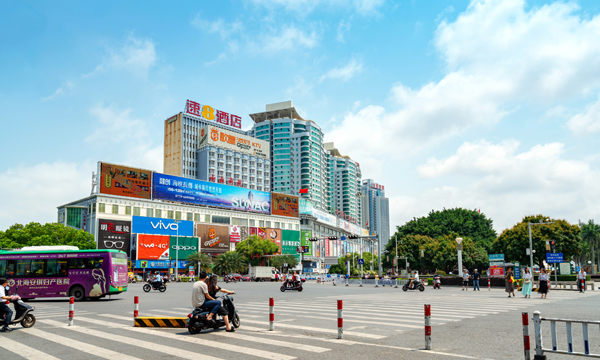


China
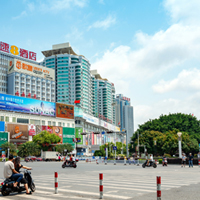
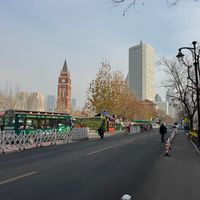
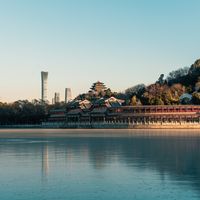
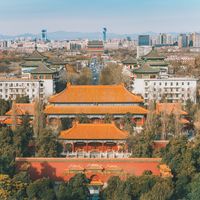
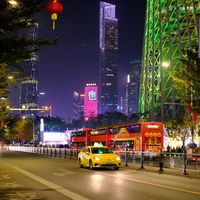
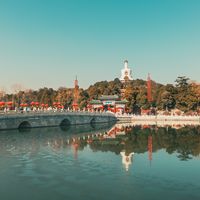
Coastal BeachesChina is the world's third-largest country by area, spanning diverse landscapes from coastal regions to vast interior plateaus. With a population exceeding 1.4 billion people, it is home to one of the world's oldest continuous civilizations and a rapidly modernizing economy. The culture blends ancient traditions—including philosophy, martial arts, and cuisine—with contemporary urban development and technological innovation. China's economy is the world's second-largest, with major manufacturing, technology, and finance sectors. Life in China varies dramatically between ultra-modern megacities like Shanghai and Beijing, and rural areas. The country offers rich historical sites, vibrant street food culture, and increasingly cosmopolitan living standards in major urban centers.
 SJB Global
Connect
SJB-Global is a top-rated financial advisory firm specializing in expat financial advice worldwide, offering retirement planning & tax-efficient solutions with a regressive fee model. Our clients benefit from their country’s most favorable tax environment by utilizing the efficient investment vehicles we offer. Our commitment to quality service is reflected in our stellar reviews, with over 300 testimonials boasting 95% five-star ratings.
Click connect to have our partner contact you via e-mail and/or phone.
SJB GlobalSJB-Global is a top-rated financial advisory firm specializing in expat financial advice worldwide, offering retirement planning & tax-efficient solutions with a regressive fee model. Our clients benefit from their country’s most favorable tax environment by utilizing the efficient investment vehicles we offer. Our commitment to quality service is reflected in our stellar reviews, with over 300 testimonials boasting 95% five-star ratings.
Connect
Click connect to have our partner contact you via e-mail and/or phone.
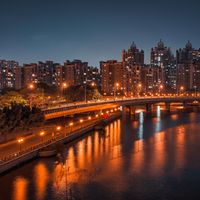
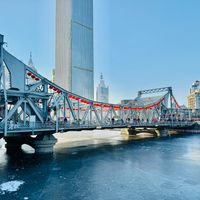
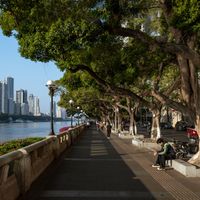



Podcasts

Episode 8: Jake Barber - The Expat Finance Expert Returns



Episode 6: Jake Barber - Expat Finance Expert and Lifelong Expat
Living in China
Best Places to Live in China
Visa & Residency
Obtaining a residency in China involves several steps and can be a complex process, depending on the type of visa and the applicant's circumstances. The most common residency visas are the Z Visa, which is issued to expatriates who have obtained employment in China, and the Q Visa, for those who are family members of Chinese citizens or permanent residents. To apply for a Z Visa, the applicant must first secure a job with a Chinese employer. The employer will then apply for an employment license and invitation letter from the local authorities. With these documents, the applicant can apply for the Z Visa at a Chinese embassy or consulate in their home country. Upon arrival in China, the holder of a Z Visa must apply for a Temporary Residence Permit within 30 days to legally reside in the country. This permit is usually valid for the duration of the employment contract, up to a maximum of five years. The Q Visa application process requires an invitation from a Chinese family member and proof of the familial relationship. The applicant must submit these, along with other necessary documents, to the Chinese embassy or consulate. Similar to the Z Visa, upon entering China, the Q Visa holder must apply for a Temporary Residence Permit. Digital nomads often use the M Visa, which is intended for business-related activities such as attending trade fairs or conducting short-term business visits. The M Visa does not lead to residency but allows for multiple entries over a period that can extend up to 10 years, with each stay typically ranging from 30 to 60 days. The difficulty of obtaining a residency visa in China can be considered average, but it requires careful attention to detail and adherence to the specific requirements set by Chinese authorities. The process can be time-consuming and may require assistance from legal professionals or visa agents, especially for those unfamiliar with the Chinese language and legal system. It is important to stay updated on the latest regulations, as Chinese immigration laws can change frequently.
Healthcare in China
The healthcare system in China is a hybrid of public and private services. The public healthcare system is predominantly funded by the government and provides basic medical services to the majority of the population, especially in urban areas. It operates under a tiered system, with three levels of hospitals (primary, secondary, and tertiary) that offer varying degrees of care. Tertiary hospitals, usually located in major cities, provide the highest level of care with more specialized services. Private healthcare in China is growing rapidly, offering higher-end services and shorter waiting times, but at a higher cost. Both public and private healthcare facilities vary in quality, with urban centers typically having better-equipped hospitals than rural areas. The cost of healthcare also varies, with public hospitals being more affordable than private ones. Expats and digital nomads can access public healthcare by paying for the public insurance scheme or out-of-pocket for services. However, many expats choose private health insurance to cover private healthcare costs, which provides them with more options and often higher quality care. Access to public healthcare for expats usually requires a work permit or residency status.
Cost of Living
Cost of living in China varies significantly by location. In major cities like Shanghai and Beijing, housing costs are high, with rental prices for a one-bedroom apartment in city centers ranging from $600-1,500 USD monthly, and property purchases exceeding $10,000 USD per square meter. However, outside major metropolitan areas, costs drop substantially—smaller cities offer much more affordable housing and daily expenses. Overall, China remains relatively affordable compared to Western developed nations, particularly for food, transportation, and services outside premium urban districts.
Weather
China experiences highly variable weather due to its vast size and diverse geography. Northern regions have cold, dry winters with temperatures dropping well below freezing, while southern areas are warmer and more humid year-round. The monsoon season (May-September) brings significant rainfall, particularly to eastern and southern regions. Seasonal variation is pronounced, with spring and autumn generally offering mild, pleasant conditions in most areas.
Educational System in China
The educational system in China is highly structured and competitive, with a strong emphasis on exams and academic performance. Education is compulsory for nine years, which includes six years of primary education starting at age six, followed by three years of junior secondary education. After completing the compulsory education, students can choose to attend senior secondary school, which lasts for another three years, or they can enter vocational schools. The academic year in China typically starts in September and ends in July, with a summer break in between. The grade levels are generally referred to as "grades" in primary school and "years" in secondary school. Chinese students take the Gaokao, a rigorous college entrance examination, at the end of their senior secondary education. The performance on this exam largely determines their admission to universities. The quality of education in China is considered high, especially in major cities, but there can be significant disparities between urban and rural areas. The focus on rote learning and test preparation has been a point of criticism, but there are ongoing efforts to reform the educational system to encourage more creativity and critical thinking.
Living in China
Healthcare in China
Best Places to Live in China
Moving to China