Czech Rep
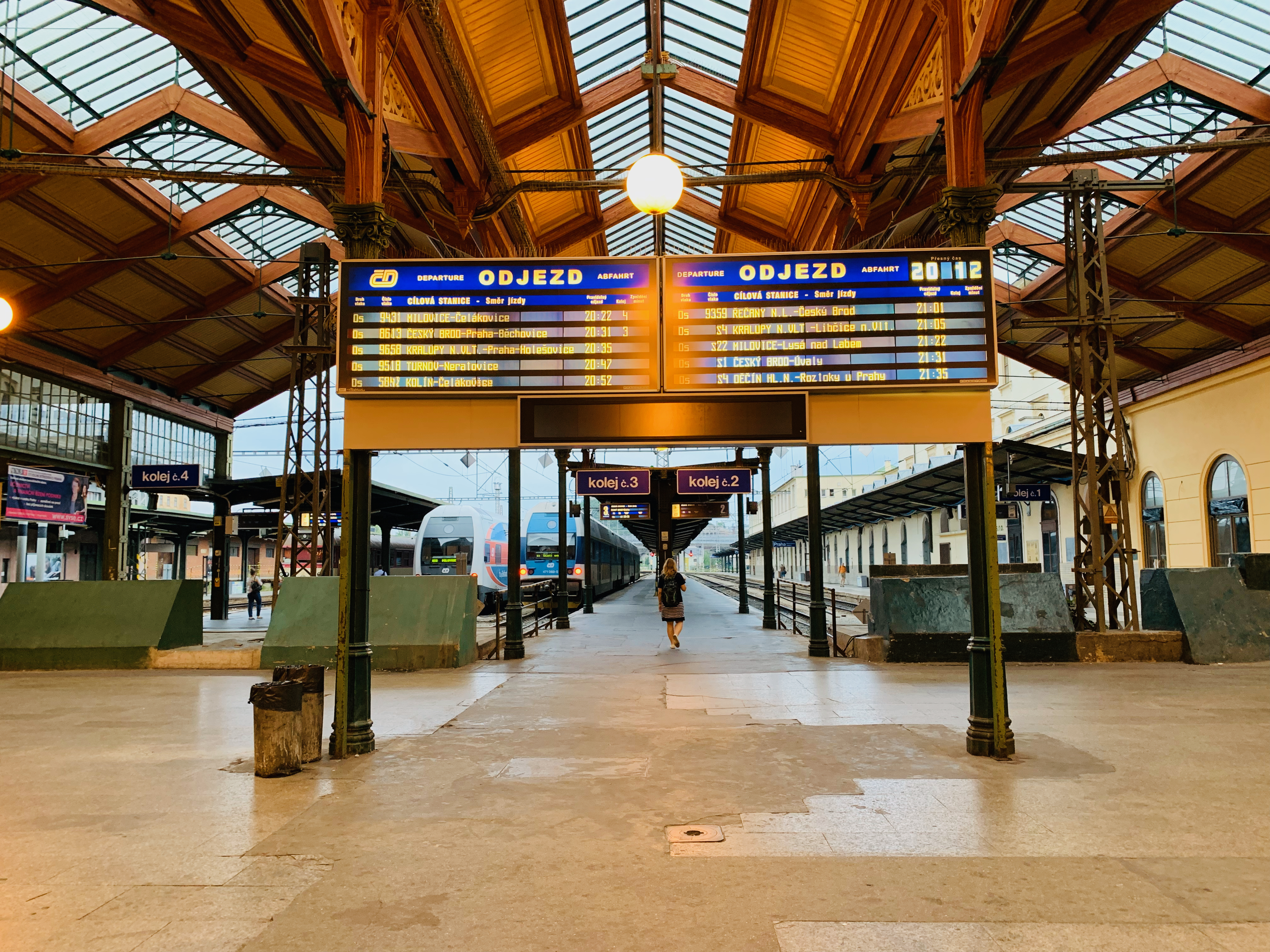
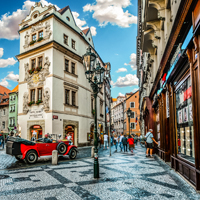
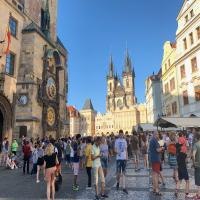
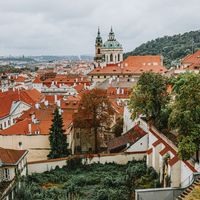
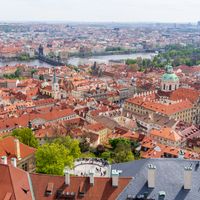
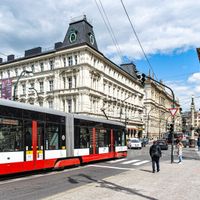
The Czech Republic is a landlocked Central European country known for its rich history, stunning architecture, and vibrant cultural scene. Located in the heart of Europe, it comprises the historical regions of Bohemia and Moravia, with Prague as its capital and largest city. The country has a strong economy with a focus on manufacturing, technology, and tourism, offering a good quality of life with excellent healthcare and education systems. Czech culture is deeply rooted in traditions, classical music, and beer brewing, with a population known for their reserved but friendly nature. The country offers a blend of medieval charm, modern amenities, and affordable living compared to Western Europe, making it increasingly popular with international relocators. Life in the Czech Republic combines historic charm with contemporary European standards, featuring excellent public transportation, vibrant nightlife, and easy access to neighboring countries.
 Urban Address Prague
Connect
Urban Address Prague is a bespoke boutique one-stop-shop solution for your property needs in Prague and the Czech Republic. We don't just find you the perfect apartment, we build your Prague dream. And what's more - we can arrange everything remotely, stress-free. We are your partner to help you make Prague your new home.
Click connect to have our partner contact you via e-mail and/or phone.
Urban Address PragueUrban Address Prague is a bespoke boutique one-stop-shop solution for your property needs in Prague and the Czech Republic. We don't just find you the perfect apartment, we build your Prague dream. And what's more - we can arrange everything remotely, stress-free. We are your partner to help you make Prague your new home.
Connect
Click connect to have our partner contact you via e-mail and/or phone.



Podcasts

Episode 6: Jake Barber - Expat Finance Expert and Lifelong Expat



Episode 8: Jake Barber - The Expat Finance Expert Returns
Living in Czech Rep
Best Places to Live in Czech Rep
Visa & Residency
Obtaining a residency in the Czech Republic involves several steps and can be moderately challenging, depending on the applicant's circumstances and the type of visa they are applying for. The most common types of residency visas are the Long-term Residence Permit and the Employee Card. The Long-term Residence Permit is suitable for those who have a family member in the Czech Republic, plan to study, or have other long-term interests in the country. The Employee Card is a dual permit for both residing and working in the Czech Republic, specifically for those who have found employment there. The process typically begins with the applicant gathering the necessary documents, which may include a passport, proof of accommodation, a criminal record check, proof of funds, and a medical insurance policy. For the Employee Card, an employment contract or job offer is also required. Applicants must then submit their application to the Ministry of the Interior of the Czech Republic, either through a Czech Embassy or Consulate in their home country or, in some cases, within the Czech Republic itself. Once the application is submitted, it is reviewed by the authorities. This process can take several months, and applicants may be required to attend an interview. If approved, the applicant will receive a visa for entry into the Czech Republic, where they must then register with the Foreign Police within three working days of arrival. For digital nomads, the Czech Republic offers a Long-term Visa for the Purpose of Other, which is intended for those who wish to live in the country for reasons not explicitly covered by other visa categories. This visa can be a good option for digital nomads, as it allows them to reside in the Czech Republic for up to one year. The application process for this visa is similar to that of other long-term visas, requiring documentation such as proof of accommodation and sufficient funds. Overall, while the process can be bureaucratic and time-consuming, it is generally considered to be of average difficulty compared to other countries. It is highly recommended that applicants start the process well in advance of their intended move date and consider seeking assistance from a legal professional or visa agency to navigate the complexities of the Czech immigration system.
Healthcare in Czech Rep
The Czech Republic has a universal public healthcare system that is mandatory for all residents, including expatriates who have registered for long-term or permanent residence. The system is funded by compulsory health insurance contributions, with the state covering the insurance of certain groups, such as children, students, and pensioners. Public healthcare provides a wide range of services, from general practitioners to specialized treatments, at a relatively low cost. Private healthcare is also available and offers faster access and more comfortable conditions, but at a higher cost. Quality in both public and private sectors is generally high, though public facilities may face longer waiting times. Expats and digital nomads can access public healthcare once they have registered for public health insurance, which typically requires a work permit or long-term residence permit.
Cost of Living
The Czech Republic offers relatively affordable living compared to Western European countries. Rent for a one-bedroom apartment in Prague city center averages around 12,000-15,000 CZK (€500-630) monthly, while outside the center it drops to 8,000-10,000 CZK (€330-420). Property purchase prices in Prague range from 150,000-250,000 CZK per square meter (€6,300-10,500), significantly lower than major Western European cities. Daily expenses including food, utilities, and transportation are considerably cheaper than in Western Europe, making it an attractive destination for budget-conscious relocators.
Weather
The Czech Republic experiences a temperate continental climate with four distinct seasons. Winters are cold and often snowy, with temperatures typically ranging from -1°C to 3°C (30-37°F) from December to February. Summers are warm and pleasant, with temperatures between 18-25°C (64-77°F) from June to August. Spring and autumn are mild with moderate rainfall, making them pleasant times to visit or relocate.
Educational System in Czech Rep
The educational system in the Czech Republic is known for its high quality and is structured into several stages. Education is compulsory from the age of 6 to 15. It begins with preschool education, which is optional, followed by nine years of elementary education, divided into two stages: the first stage for children aged 6 to 11 and the second stage for children aged 11 to 15. After completing elementary education, students can choose to attend either a general secondary school, which prepares them for higher education and lasts for four years, or a vocational secondary school, which focuses on practical skills and can last from two to five years, depending on the qualification. The Czech Republic also has a unique system of secondary education known as the "gymnasium," which lasts for either four or eight years and provides a comprehensive education with a focus on preparing students for university. The school year runs from September to June and is divided into two semesters. The grading system uses a scale from 1 (excellent) to 5 (fail). Higher education is accessible to those who pass the "maturita" exam at the end of their secondary education. The Czech Republic offers a variety of educational programs, including bilingual and international schools, which may be particularly appealing to expatriate families.
Living in Czech Rep
Healthcare in Czech Rep
Best Places to Live in Czech Rep
Moving to Czech Rep