Albania
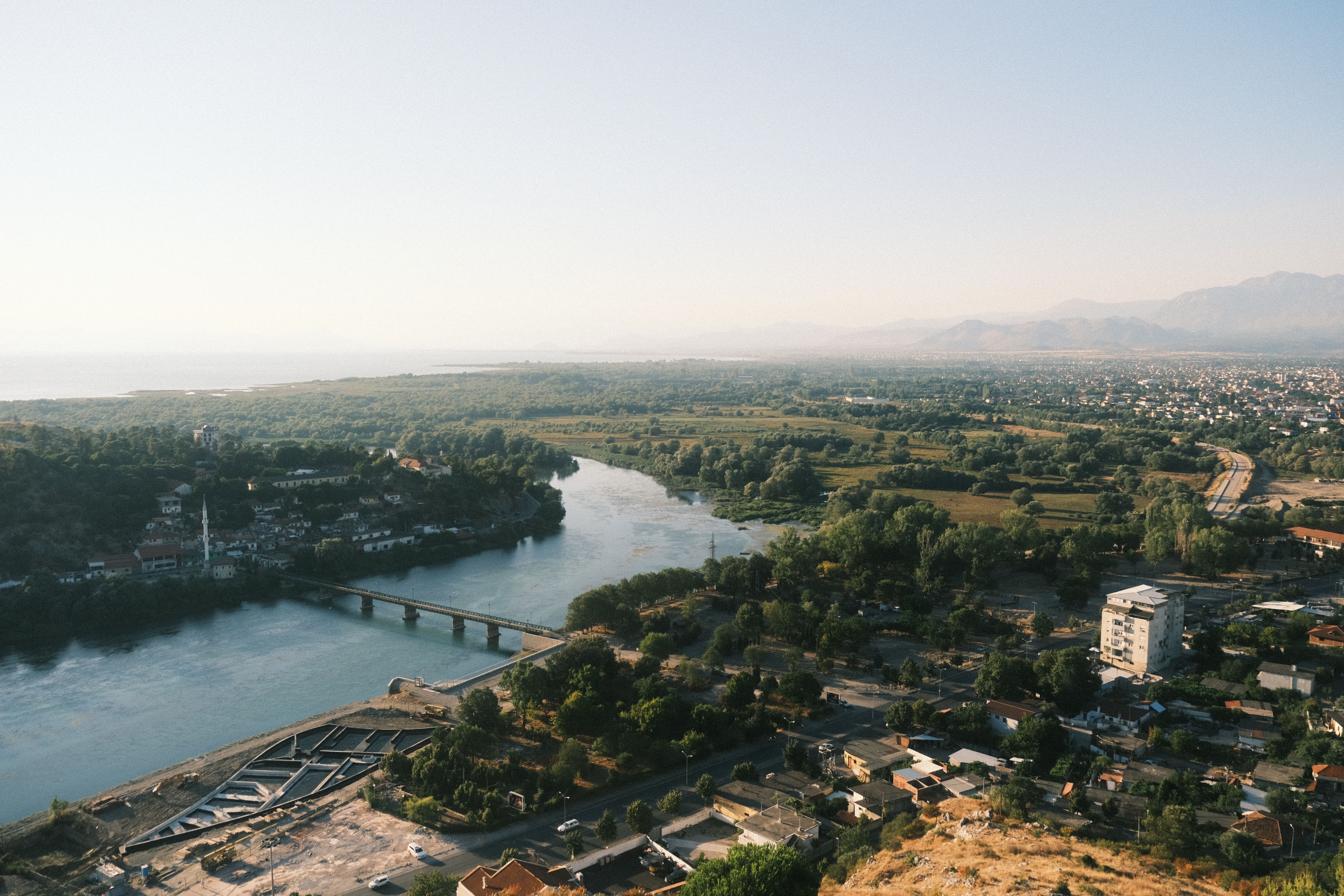
Coastal BeachesAlbania is a small Balkan nation in Southeast Europe, bordered by Greece, North Macedonia, Kosovo, and Montenegro, with a coastline along the Adriatic and Ionian Seas. The country has a rich history spanning ancient Greek, Roman, Ottoman, and modern periods, reflected in its diverse architecture and cultural heritage. Albania's economy is developing, with tourism, agriculture, and remittances forming key sectors, though it remains one of Europe's less wealthy nations. The culture blends Mediterranean and Balkan influences, with warm hospitality, strong family values, and a growing cosmopolitan scene in the capital Tirana. Life is generally affordable and laid-back outside major cities, though infrastructure and services vary by region. The country has been modernizing rapidly since the 1990s, with improving connectivity and increasing international investment.
 SJB Global
Connect
SJB-Global is a top-rated financial advisory firm specializing in expat financial advice worldwide, offering retirement planning & tax-efficient solutions with a regressive fee model. Our clients benefit from their country’s most favorable tax environment by utilizing the efficient investment vehicles we offer. Our commitment to quality service is reflected in our stellar reviews, with over 300 testimonials boasting 95% five-star ratings.
Click connect to have our partner contact you via e-mail and/or phone.
SJB GlobalSJB-Global is a top-rated financial advisory firm specializing in expat financial advice worldwide, offering retirement planning & tax-efficient solutions with a regressive fee model. Our clients benefit from their country’s most favorable tax environment by utilizing the efficient investment vehicles we offer. Our commitment to quality service is reflected in our stellar reviews, with over 300 testimonials boasting 95% five-star ratings.
Connect
Click connect to have our partner contact you via e-mail and/or phone.
Podcasts

Episode 6: Jake Barber - Expat Finance Expert and Lifelong Expat



Episode 8: Jake Barber - The Expat Finance Expert Returns
Living in Albania
Best Places to Live in Albania
Visa & Residency
Obtaining a residency in Albania involves several steps and the process can be considered average in terms of difficulty. Expats looking to reside in Albania typically apply for one of the various types of residence permits, depending on their circumstances. The most common types of residence permits are the Residence Permit for Employment and the Residence Permit for Family Reunification. To apply for a Residence Permit for Employment, expats must first secure a job in Albania. The employer typically assists with the application process, which includes submitting a work contract, a valid passport, proof of accommodation, and a clean criminal record. The permit is usually granted for one year and can be renewed. For those joining family members in Albania, the Residence Permit for Family Reunification is applicable. This requires proof of the family relationship, such as marriage or birth certificates, along with the standard documentation required for residency permits. Digital nomads, while not having a specific visa category, often enter Albania on a tourist visa, which allows them to stay for up to 90 days. If they wish to stay longer, they can apply for a Residence Permit for Self-Employed. This involves providing evidence of their work, financial means to support themselves, and the same standard documents required for other permits. This permit also allows them to live in Albania for up to one year and can be renewed. The application process for residency permits generally involves submitting the required documents to the Albanian Directorate for National Migration or its local offices. The processing time can vary, but it typically takes about 30 days for a decision to be made. It is advisable for expats to begin the application process well in advance of their intended move date to account for any potential delays. Overall, while the process is bureaucratic and requires various documents, it is manageable with proper planning and support.
Healthcare in Albania
Albania's system includes both public and private sectors. The public healthcare system is universal for all Albanian citizens and is funded by the government through taxation. It provides a range of services from primary care to specialized treatments, although it faces challenges such as limited resources, outdated equipment, and sometimes a shortage of medical professionals. Private healthcare in Albania is growing, with clinics and hospitals that offer higher quality services and shorter waiting times, but at a higher cost. The quality of private healthcare is generally considered to be good, with modern facilities and well-trained staff. Expats and digital nomads can access public healthcare once they are legal residents and contribute to the social security system, but many opt for private health insurance to ensure access to private healthcare services.
Cost of Living
Albania is one of Europe's most affordable destinations, with significantly lower costs than Western Europe. Rental prices in Tirana range from €300-600 monthly for a one-bedroom apartment in central areas, while outside the capital they drop to €150-300. Property purchases average €1,500-3,000 per square meter in Tirana, considerably cheaper than regional neighbors. Daily living expenses including food, utilities, and transport are very economical, making Albania attractive for budget-conscious relocators.
Weather
Albania experiences a Mediterranean climate along the coast with hot, dry summers and mild, wet winters, while inland and mountainous regions are cooler with more pronounced seasonal variation. Summer temperatures typically range from 25-30°C (77-86°F) on the coast, with occasional peaks above 35°C (95°F). Winter temperatures average 5-10°C (41-50°F) in lowlands and drop significantly in mountain areas. Rainfall is concentrated in autumn and winter months, with summer being predominantly dry.
Educational System in Albania
The educational system in Albania is structured into several stages: pre-primary, primary, lower secondary, and upper secondary education. Pre-primary education is optional and caters to children aged 3-6 years. Primary education starts at the age of 6 and lasts for 5 years, known as grades 1-5. Following primary education, students attend lower secondary education from grades 6-9. After completing the 9th grade, students can choose to continue to upper secondary education, which lasts for 3 years, from grades 10-12, and is divided into general and vocational tracks. The general track prepares students for higher education, while the vocational track provides training for various trades. The school year typically starts in September and ends in June. Education in Albania is compulsory until the end of lower secondary education, which means students are required to attend school until they are at least 16 years old. Upon graduation from upper secondary education, students receive a Matura diploma, which is necessary for admission to higher education institutions. The quality of education in Albania has been improving, with various reforms aimed at modernizing the curriculum and improving teacher training. However, there are still challenges such as disparities in educational quality between urban and rural areas.
Best Places to Live in Albania
Moving to Albania