Barbados
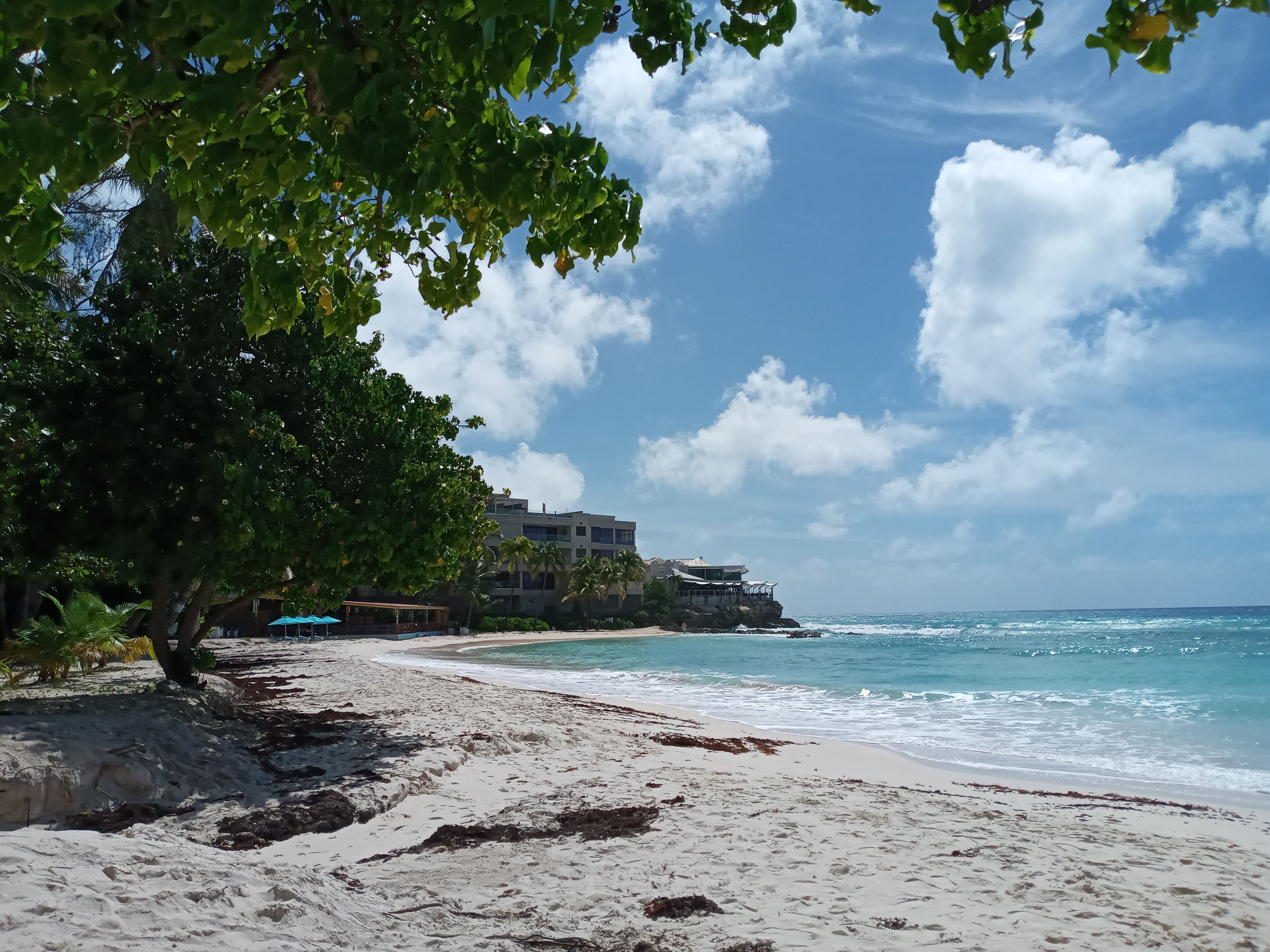
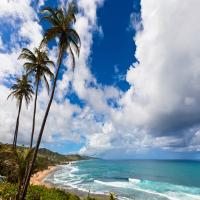
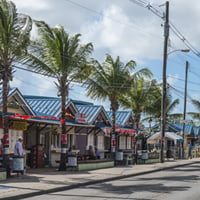
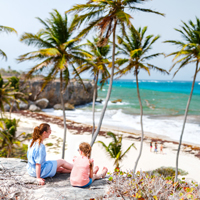
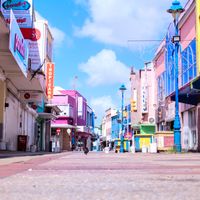
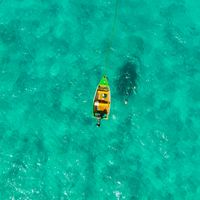
Coastal BeachesBarbados is a small island nation located in the eastern Caribbean, approximately 290 kilometers northeast of Venezuela. Known for its stable democracy, strong economy, and high standard of living, Barbados offers a blend of British colonial heritage and Caribbean culture. The island features pristine beaches, coral reefs, and a tropical landscape with a population of around 280,000 people. The economy is diversified, historically built on sugar production but now centered on tourism, financial services, and offshore banking. English is the official language, making it accessible for English-speaking relocators. Life in Barbados is generally relaxed and welcoming, with a vibrant local culture, excellent healthcare, and reliable infrastructure.
 PassportCard Expat Health Insurance
Get Quote
Never worry about paying your medical bills out of pocket again. The innovative PassportCard allows for a stress-free experience for all expat families, remote travelers, and workers. With a 24/7 customer service and an outstanding customer base of over 2 Million clients, it will feel like medical care at home. Get up to 10% off on your policy now.
PassportCard Expat Health InsuranceNever worry about paying your medical bills out of pocket again. The innovative PassportCard allows for a stress-free experience for all expat families, remote travelers, and workers. With a 24/7 customer service and an outstanding customer base of over 2 Million clients, it will feel like medical care at home. Get up to 10% off on your policy now.
Get Quote

Podcasts

Episode 6: Jake Barber - Expat Finance Expert and Lifelong Expat



Episode 8: Jake Barber - The Expat Finance Expert Returns
Living in Barbados
Best Places to Live in Barbados
Visa & Residency
Obtaining a residency in Barbados involves several steps and can be considered an average challenge for expats. The most common type of residency visa for expats is the Special Entry and Reside Permit (SERP), which is designed for high net worth individuals who wish to reside in Barbados either part-time or full-time. To qualify for SERP, applicants must meet certain investment criteria, such as purchasing property worth at least USD 300,000 or having substantial financial resources. Another option for expats, particularly digital nomads, is the 12 Month Barbados Welcome Stamp. This visa allows remote workers and their families to live and work from Barbados for a period of up to 12 months. The application process for the Welcome Stamp is relatively straightforward and can be completed online. Applicants must provide proof of employment or self-employment and show that they earn a minimum annual income of USD 50,000 or have the means to support themselves during their stay. To apply for either visa, expats must submit the required documentation, which typically includes a passport valid for the duration of the stay, birth certificate, proof of financial means, and a police certificate of character. Additionally, for the SERP, evidence of the investment in property or other financial assets is required. The processing time for these applications can vary, but the Welcome Stamp can be processed within a few weeks, while the SERP may take longer due to the more extensive documentation and investment requirements. Overall, the difficulty of obtaining a residency visa in Barbados is average, as the country has established clear pathways for expats and digital nomads. However, the financial requirements and due diligence checks can pose challenges for some applicants. It is advisable for potential expats to consult with legal experts or the Barbados Department for guidance throughout the application process.
Healthcare in Barbados
The healthcare system in Barbados is a mix of public and private services. The public healthcare system is funded by the government and provides services to citizens and residents at low or no cost. The Queen Elizabeth Hospital in Bridgetown is the primary state-owned healthcare facility, along with a network of polyclinics providing a range of services across the island. Private healthcare is also available and offers an alternative for those seeking quicker access to specialists and more upscale facilities, albeit at a higher cost. The quality of healthcare in Barbados is generally considered good, with well-trained medical staff, though resources may be more limited compared to larger countries. Expats and digital nomads can access public healthcare once they are legal residents or if they contribute to the National Insurance Scheme, but many opt for private health insurance to cover private healthcare services.
Cost of Living
Barbados has a high cost of living, particularly for housing and imported goods. Rental prices for a one-bedroom apartment in central areas range from $800-1,500 USD monthly, while property purchases average $400,000-600,000 USD for modest homes. Daily expenses including groceries, dining, and utilities are notably higher than in many developing nations due to the island's reliance on imports. However, costs are generally lower than in major North American or European cities, and the stable economy and low crime in many areas provide good value for the quality of life offered.
Weather
Barbados experiences a tropical climate with warm temperatures year-round, typically ranging from 24-30°C (75-86°F). The dry season runs from December to May, offering the most pleasant weather with lower humidity and minimal rainfall. The wet season from June to November brings higher humidity and increased rainfall, with the Atlantic hurricane season peaking from August to October, though Barbados is located south of the typical hurricane belt and experiences fewer direct impacts than other Caribbean islands.
Educational System in Barbados
The educational system in Barbados is highly regarded and follows a British-based structure, reflecting the country's history as a former British colony. Education is compulsory between the ages of 5 and 16 and is provided free of charge at public schools. The system is divided into four stages: nursery, primary, secondary, and tertiary. Nursery education begins at the age of 3 and is optional. Primary education starts at age 5 and continues until age 11, culminating in the Common Entrance Examination, which determines placement into secondary school. Secondary education lasts for five to seven years, and students are prepared for the Caribbean Examinations Council (CXC) examinations, including the Caribbean Secondary Education Certificate (CSEC) and the Caribbean Advanced Proficiency Examination (CAPE). Students typically start secondary school at age 11 and graduate at age 16 or 18, depending on whether they pursue sixth form studies, which are equivalent to the British A-Levels. Barbados has a high literacy rate, and the government places a strong emphasis on education, with a significant portion of the national budget allocated to this sector. The quality of education is generally high, with a curriculum that includes traditional academic subjects, vocational training, and life skills. For families moving to Barbados, the education system offers a solid foundation for children, with opportunities for academic and personal development.
Living in Barbados
Healthcare in Barbados
Best Places to Live in Barbados
Moving to Barbados