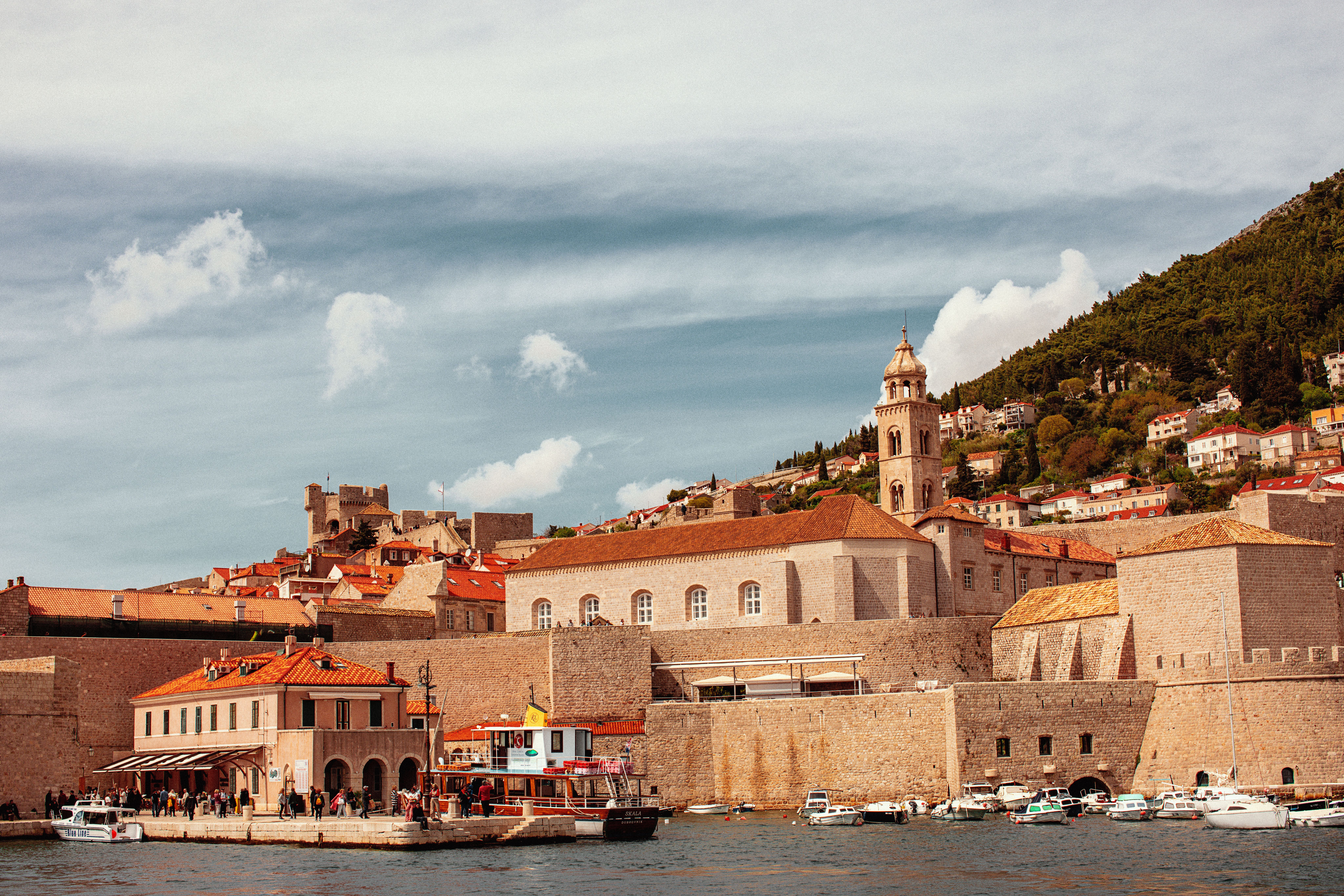


Dubrovnik
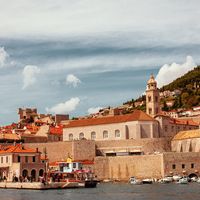
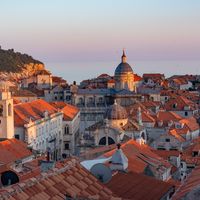
Urban Coastal BeachesDubrovnik grew from a maritime republic into one of the Adriatic’s most distinctive walled cities, and that layered past still shapes daily life. The old stone core, enclosed by massive defensive walls, sits above the sea and remains the part most people picture first, but the city today extends well beyond the historic center into neighborhoods, hotels, ports, and hillside homes. Life here moves with the rhythm of tourism, the ferry and cruise schedules, and the seasons, yet it is still a working city with schools, shops, services, and local routines that continue after the day-trippers leave. The limestone streets, baroque churches, palaces, and narrow lanes give the center a strong sense of place, while the surrounding coast adds beaches, coves, and clear water that draw swimmers and boaters in warmer months. Dubrovnik also has a practical side: traffic can be tight, parking limited, and summer crowds intense, so residents often plan around the tourist calendar. Outside the walls, the city spreads along the coast and up the slopes, with views over the Adriatic and nearby islands that are part of everyday scenery. It is a place where history is not just preserved for visitors but woven into the way the city functions, from the layout of the streets to the pace of local life. At the same time, Dubrovnik is not frozen in the past; it has modern housing, transport links, and a service economy that supports both residents and visitors. The result is a city that feels deeply historic without being only a museum, shaped as much by the sea and the present-day economy as by its famous fortifications.
 BlueCross BlueShield Global Solutions
Get Quote
BlueCross BlueShield Global Solutions (BCBS) offers global health plans for international assignments or trips lasting 6 months or longer. With access to over 1.7M medical providers in 190 countries around the world, BCBS provides members with solutions and industry-leading digital services - ensuring top-quality coverage to people who live, work, study and travel internationally.
BlueCross BlueShield Global SolutionsBlueCross BlueShield Global Solutions (BCBS) offers global health plans for international assignments or trips lasting 6 months or longer. With access to over 1.7M medical providers in 190 countries around the world, BCBS provides members with solutions and industry-leading digital services - ensuring top-quality coverage to people who live, work, study and travel internationally.
Get Quote
Visa & Residency
Obtaining a residency in Croatia involves several steps and can be considered an average challenge for expats. The process begins with determining the appropriate type of visa. The most common types are the Temporary Stay Visa and the Permanent Stay Visa. For temporary stays, expats must apply before entering Croatia at the nearest Croatian embassy or consulate. The application requires various documents, including a valid passport, proof of health insurance, evidence of sufficient funds to support the stay, and a purpose for the stay, such as work, study, or family reunification. For those interested in permanent residency, applicants must have held temporary residency for five years before applying. The Permanent Stay Visa requires additional documentation, such as proof of integration into the Croatian society, which may include language proficiency and social connections. Digital nomads can apply for the Temporary Stay Visa specifically designed for them. This visa was introduced to attract remote workers and is valid for up to one year. Applicants must provide proof of their status as digital nomads, which typically means showing they work remotely for a company or clients outside of Croatia. They must also have health insurance and show they have the financial means to support themselves without taking local employment. The difficulty of the process can vary based on the applicant's nationality, the completeness of their application, and their specific circumstances. It is advisable to start the application process well in advance of the intended move date, as processing times can vary. Additionally, laws and regulations may change, so staying informed about the latest requirements is crucial. Expats often benefit from consulting with legal experts or expatriates who have gone through the process. Overall, while there are several bureaucratic hurdles to clear, with proper preparation and documentation, obtaining a residency visa in Croatia is a manageable process for many expats.
Cost of Living
Daily life in Dubrovnik tends to cost more than in many other Croatian cities, largely because tourism pushes up rents, services, and prices in the center. Housing near the old town or with sea views can be especially expensive, and summer demand often affects everything from parking to restaurant bills. Local wages do not always keep pace with those costs, so many residents look for value outside the most visited areas. Shopping and everyday expenses are more manageable away from the tourist core, but the city still sits in a higher-price bracket overall.
Weather
Dubrovnik has a Mediterranean climate with hot, dry summers and mild, wetter winters. Sunshine is common for much of the year, though the city can get strong rain and occasional wind, especially outside the summer season.
Healthcare in Dubrovnik
Dubrovnik General Hospital on Roka Mišetića is the main public hospital for the city and surrounding area, with emergency care and core specialist services. For more complex treatment, patients are often transferred to larger centers such as Split or Zagreb, so local care is solid for routine and urgent needs but limited for advanced procedures.
Schools in Dubrovnik
Dubrovnik has bilingual options, but they are limited rather than a major feature of the local school system. The strongest language-based offerings are typically Croatian-English programs or schools with some bilingual instruction, rather than full international curricula.
Restaurants in Dubrovnik
Living in Dubrovnik
Moving to Dubrovnik
Healthcare in Dubrovnik