Dominica
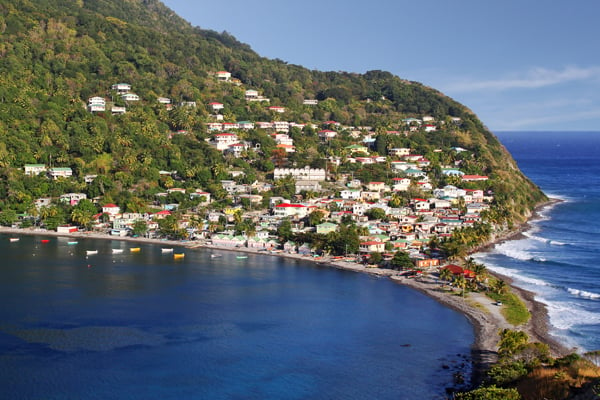
Coastal BeachesDominica is a lush, mountainous island nation located in the Eastern Caribbean, positioned between Guadeloupe and Martinique. Known as the 'Nature Island of the Caribbean,' it features dramatic volcanic peaks, pristine rainforests, and abundant natural springs and waterfalls. The island has a rich cultural heritage blending African, French, and indigenous Carib influences, reflected in its Creole language, music, and festivals. The economy is primarily based on agriculture (particularly bananas and cocoa), tourism, and citizenship-by-investment programs. Life on Dominica offers a slower pace than many Caribbean destinations, with strong community ties and a focus on environmental conservation. The island attracts nature enthusiasts, adventure seekers, and those seeking an authentic Caribbean experience away from mass tourism.
 BlueCross BlueShield Global Solutions
Get Quote
BlueCross BlueShield Global Solutions (BCBS) offers global health plans for international assignments or trips lasting 6 months or longer. With access to over 1.7M medical providers in 190 countries around the world, BCBS provides members with solutions and industry-leading digital services - ensuring top-quality coverage to people who live, work, study and travel internationally.
BlueCross BlueShield Global SolutionsBlueCross BlueShield Global Solutions (BCBS) offers global health plans for international assignments or trips lasting 6 months or longer. With access to over 1.7M medical providers in 190 countries around the world, BCBS provides members with solutions and industry-leading digital services - ensuring top-quality coverage to people who live, work, study and travel internationally.
Get Quote
Podcasts

Episode 8: Jake Barber - The Expat Finance Expert Returns


Episode 6: Jake Barber - Expat Finance Expert and Lifelong Expat
Living in Dominica
Best Places to Live in Dominica
Visa & Residency
Obtaining a residency in Dominica involves several steps and can be considered an average challenge compared to other countries. The most common types of residency visas are the Work Visa and the Family Visa. To apply for a Work Visa, an expat must first secure a job offer from a company in Dominica. The employer typically assists with the visa application process, which includes submitting a completed application form, a valid passport, proof of the job offer, and a police record from the applicant's country of residence. Additional documents may be required depending on the specific circumstances of the applicant. The Work Visa is tied to the length of the employment contract, and expats must renew their visa if they change jobs or extend their contract. For those who have family members who are citizens or legal residents of Dominica, the Family Visa is an option. This visa requires proof of the family relationship, such as a marriage certificate for spouses or birth certificates for children. The applicant must also provide evidence of financial support and may need to undergo a medical examination. The application process for both visas involves submitting the necessary documents to the and Labour Department. It is important to ensure that all information provided is accurate and that the forms are completed in full to avoid delays. The processing time can vary, but it generally takes several weeks for the authorities to make a decision. Once approved, the applicant will receive a residency permit, which allows them to live and, in the case of the Work Visa, work in Dominica. It is advisable for expats to consult with the Dominican consulate or embassy in their home country or seek assistance from a legal professional to navigate the visa application process smoothly. While the process is relatively straightforward, it requires attention to detail and adherence to the regulations set forth by the Dominican government.
Healthcare in Dominica
Dominica's system includes both public and private healthcare services. The public healthcare system is accessible to all citizens and legal residents, and it is funded by the government. Primary healthcare services are provided through a network of clinics and health centers across the island, while secondary and tertiary care is concentrated at the Princess Margaret Hospital in Roseau, the capital. Private healthcare is available, with clinics and medical practitioners offering services for a fee. The quality of healthcare in Dominica is generally considered adequate for routine and basic medical care, but more complex cases may require transfer to facilities overseas, often to Martinique, Guadeloupe, or the United States. The cost of public healthcare is relatively low, and it is subsidized by the government, while private healthcare costs can vary widely depending on the services provided. Expats and digital nomads can access public healthcare once they have legal residency status, but many opt for private health insurance to cover more extensive medical services and potential medical evacuation.
Cost of Living
Dominica's cost of living is moderate compared to developed nations but varies significantly by lifestyle and location. Rental housing ranges from $400-800 USD monthly for modest apartments in rural areas to $1,200-2,000+ USD for comfortable accommodations in better locations; property purchases average $150,000-400,000 USD depending on size and location. Daily expenses including groceries, utilities, and dining are reasonable, though imported goods carry higher prices due to island logistics. Overall, it remains more affordable than many developed Caribbean islands while being pricier than mainland Central America.
Weather
Dominica has a tropical maritime climate with warm temperatures year-round, typically ranging from 75-85°F (24-29°C). The dry season runs from November to April, offering the most pleasant weather and lowest rainfall. The wet season from May to October brings frequent afternoon showers and higher humidity, with September and October being the peak months for tropical storms and hurricanes. Trade winds provide consistent cooling breezes throughout the year.
Educational System in Dominica
The educational system in Dominica is structured similarly to the British model, as it is a former British colony. Education is compulsory for children between the ages of 5 and 16. The system is divided into three stages: primary education, secondary education, and tertiary education. Primary education begins with kindergarten at age 5 and continues until grade 6. Secondary education is from form 1 to form 5, and students typically enter at age 11. At the end of form 5, students sit for the Caribbean Secondary Education Certificate (CSEC) examinations. Successful students may continue to sixth form, which is divided into lower sixth and upper sixth, where they can sit for the Caribbean Advanced Proficiency Examination (CAPE). Schools in Dominica are a mix of public and private institutions, with the government providing the majority of the educational services. The quality of education is considered good, with a literacy rate of over 90%. The curriculum is comprehensive, including subjects like mathematics, English, the sciences, social studies, and physical education. Additionally, there is a focus on vocational subjects to prepare students for the job market. Parents moving to Dominica can expect a supportive education system with opportunities for their children to receive a well-rounded education.
Living in Dominica
Healthcare in Dominica