Malta
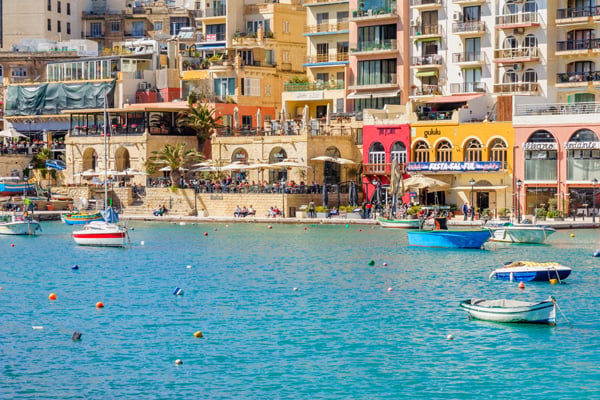
Coastal BeachesMalta is a small island nation in the central Mediterranean Sea, located south of Sicily and north of Libya. With a population of around 535,000, it is one of Europe's most densely populated countries. The archipelago consists of three main islands: Malta, Gozo, and Comino, characterized by limestone terrain, azure waters, and a rich history spanning thousands of years. Malta's economy is modern and diversified, with strong sectors in financial services, tourism, gaming, and manufacturing. The culture blends Mediterranean, Arab, and European influences, reflected in its architecture, cuisine, and traditions. English is widely spoken alongside Maltese, making it accessible for international relocators. Life in Malta offers a relaxed Mediterranean lifestyle with excellent healthcare, good infrastructure, and a vibrant expat community.
 AGS Worldwide Movers
Get Quote
Relocating abroad soon? Make your move with AGS! AGS Worldwide Movers is a leader in the international moving industry. Our experience and expertise allows us to guarantee our clients the best quality moving services.
AGS Worldwide MoversRelocating abroad soon? Make your move with AGS! AGS Worldwide Movers is a leader in the international moving industry. Our experience and expertise allows us to guarantee our clients the best quality moving services.
Get Quote
Podcasts

Episode 8: Jake Barber - The Expat Finance Expert Returns



Episode 6: Jake Barber - Expat Finance Expert and Lifelong Expat
Living in Malta
Visa & Residency
Obtaining a residency in Malta is a process that varies depending on the type of visa and the applicant's circumstances. For non-EU/EEA/Swiss nationals, the Malta Permanent Residence Programme (MPRP) is a popular option. It requires a significant financial investment, including a property purchase or rental, a contribution to the national development fund, and a donation to a Maltese non-governmental organization. The Global Residence Programme (GRP) offers a similar path with slightly different financial requirements and is aimed at non-EU/EEA/Swiss nationals as well. For EU/EEA/Swiss nationals, the process is more straightforward. They can apply for the Residence Programme, which requires them to either rent or purchase property in Malta and prove they can support themselves without recourse to the Maltese social assistance system. Digital nomads from outside the EU can apply for the Malta Nomad Residence Permit. This permit is designed for individuals who can work remotely and are employed or run a business registered outside of Malta. Applicants must prove they meet a minimum monthly income threshold and have health insurance. The permit is valid for one year and can be renewed. Overall, the process of obtaining residency in Malta is considered to be relatively easy compared to many other countries, especially for EU/EEA/Swiss nationals. The Maltese government has streamlined procedures to attract foreign investment and talent, which includes a clear set of guidelines and requirements for each type of residency program. Applicants are often advised to work with a legal professional or an agency that specializes in Maltese to ensure a smooth application process.
Healthcare in Malta
Malta has a mixed public-private system known for its high standards and quality services. The public healthcare system is funded by taxes and is available to all Maltese citizens and European Union (EU) nationals holding a European health insurance Card (EHIC). It provides a range of services from primary care to specialized treatments at no direct cost to the patient. Private healthcare is also available and offers faster access and more choice regarding physicians and facilities, but at a cost. The quality of both public and private healthcare in Malta is generally considered to be good, with modern facilities and well-trained medical staff. Expats and digital nomads who become legal residents in Malta can access public healthcare by contributing to the social security system, while short-term visitors from the EU can use their EHIC. Non-EU nationals may need private health insurance to access healthcare services.
Cost of Living
Malta has a relatively high cost of living compared to Southern European standards, though lower than Northern Europe or major Western capitals. Rental prices for a one-bedroom apartment in Valletta or Sliema range from €800-1,200 monthly, while outside central areas they average €600-900. Property purchase prices range from €4,000-6,000 per square meter in popular areas. Daily expenses including groceries, dining, and utilities are moderate to high, with overall living costs comparable to Portugal or Greece but higher than Eastern Europe.
Weather
Malta experiences a Mediterranean climate with hot, dry summers and mild, wet winters. Summer temperatures typically range from 28-32°C (82-90°F) from June to September, while winter temperatures average 8-15°C (46-59°F) from December to February. Rainfall is concentrated in the winter months, with very little precipitation during summer. The islands enjoy approximately 300 days of sunshine annually, making it one of Europe's sunniest destinations.
Educational System in Malta
The educational system in Malta is structured similarly to the British model, reflecting its history as a British colony. Education in Malta is compulsory between the ages of 5 and 16. The system is divided into three stages: primary (ages 5-11), secondary (ages 11-16), and post-secondary education. Children start their education at kindergarten level, typically at age 3, before they proceed to primary school. Primary education lasts for six years, after which students move on to secondary education. Secondary schools are typically called 'colleges' and offer a five-year program leading to the Secondary Education Certificate (SEC). After completing secondary education, students can opt for either a two-year sixth form (pre-university) or vocational education. The sixth form leads to the Matriculation Certificate, which is necessary for university entrance. Malta has a high literacy rate, and the government places a strong emphasis on education, providing free state-funded education to all citizens. Private and church schools are also available, offering education with different emphases. The quality of education in Malta is generally considered to be good, with a curriculum that covers a broad range of subjects and skills. English is one of the official languages of Malta, and it is widely used in the educational system, which can be an advantage for English-speaking expatriates moving to the country
Living in Malta
Healthcare in Malta