Estonia
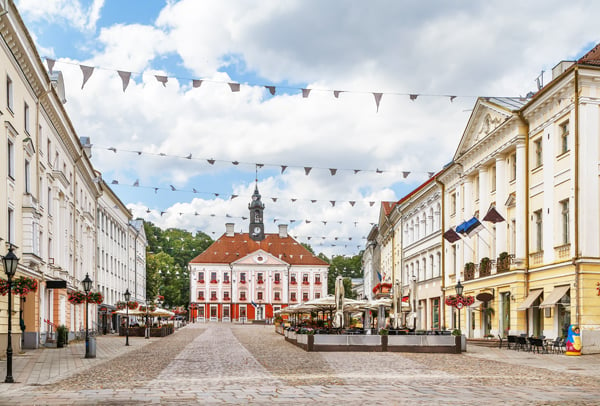
Coastal BeachesEstonia is a small Baltic nation in Northern Europe, bordered by Russia and Latvia, with a population of around 1.3 million. The country is known for its digital innovation, being a leader in e-governance and technology startups, earning it the nickname 'e-Estonia'. The landscape is characterized by forests, lakes, and a relatively flat terrain with a rich cultural heritage influenced by Nordic and Russian traditions. Estonian culture emphasizes education, sustainability, and a strong connection to nature, with traditional song festivals and sauna culture playing important roles in daily life. The economy is modern and developed, with a high standard of living comparable to Western European countries. Life in Estonia offers a blend of medieval charm in its capital Tallinn, contemporary urban amenities, and peaceful natural surroundings.
 PassportCard Expat Health Insurance
Get Quote
Never worry about paying your medical bills out of pocket again. The innovative PassportCard allows for a stress-free experience for all expat families, remote travelers, and workers. With a 24/7 customer service and an outstanding customer base of over 2 Million clients, it will feel like medical care at home. Get up to 10% off on your policy now.
PassportCard Expat Health InsuranceNever worry about paying your medical bills out of pocket again. The innovative PassportCard allows for a stress-free experience for all expat families, remote travelers, and workers. With a 24/7 customer service and an outstanding customer base of over 2 Million clients, it will feel like medical care at home. Get up to 10% off on your policy now.
Get Quote
Podcasts

Episode 8: Jake Barber - The Expat Finance Expert Returns



Episode 6: Jake Barber - Expat Finance Expert and Lifelong Expat
Living in Estonia
Best Places to Live in Estonia
Visa & Residency
Obtaining a residency in Estonia involves several steps and can be considered an average challenge compared to other countries. Expats looking to reside in Estonia typically apply for a Temporary Residence Permit or a Long-Stay (D) Visa. The Temporary Residence Permit is suitable for those who intend to stay longer than 90 days and can be granted for various reasons such as work, study, business, or for family reasons. The application process involves submitting a filled-out application form, a valid travel document, a photo, and documents proving the purpose of stay, such as a work contract or a letter from an educational institution. Additionally, applicants must provide proof of legal income, health insurance, and may need to pass an Estonian language test depending on the basis of their application. For digital nomads, Estonia has introduced a Digital Nomad Visa which allows remote workers to live in Estonia and legally work for their employer or their own company registered abroad. This visa can be issued for a short stay of up to 90 days or a long stay of up to 1 year. To qualify, applicants must prove that they can perform their work duties regardless of location and have a stable income of at least €3504 (gross of tax) per month for the six months preceding the application. The process for both types of visas requires thorough preparation and attention to detail when gathering the necessary documentation. Applicants must submit their applications either at an Estonian Embassy or Consulate or, if legally in Estonia, at the Police and Border Guard Board. It is important to note that the processing time can take several months, so it is advisable to apply well in advance of the planned move. Overall, while the process is bureaucratic and requires various proofs and documentation, it is generally well-structured and manageable for those who meet the criteria.
Healthcare in Estonia
Estonia has a mixed healthcare system with both public and private sectors. The public healthcare system is funded by the Estonian health insurance Fund, which covers most medical services for individuals who are insured. This includes general and specialized medical care, hospitalization, prescriptions, pregnancy and childbirth services, and rehabilitation. The quality of public healthcare in Estonia is generally considered good, with modern facilities and well-trained medical staff. Private healthcare is also available and offers faster access to services and more comfortable conditions. However, it is more expensive and typically used by those who prefer immediate care or more privacy. The cost of public healthcare is largely covered by the state for insured persons, while private healthcare costs are borne by the individual or through private health insurance. Expats and digital nomads who are legally residing in Estonia and are employed or self-employed are required to pay social tax and are thus eligible for public healthcare. Those who are not insured may access healthcare services but must cover the costs themselves.
Cost of Living
Estonia has a moderate cost of living compared to Western Europe, though prices have been rising in recent years. Rental prices in Tallinn average €600-900 per month for a one-bedroom apartment in the city center, while outside the capital they are significantly lower. Property purchase prices range from €3,000-5,000 per square meter in Tallinn and €1,500-2,500 in smaller towns. Daily expenses such as groceries, dining, and utilities are generally affordable, making Estonia an attractive destination for those seeking a good quality of life at reasonable costs.
Weather
Estonia experiences a temperate continental climate with four distinct seasons. Winters are cold and long, typically lasting from November to March, with temperatures often dropping below freezing and significant snowfall. Summers are mild and relatively short, from June to August, with temperatures ranging from 15-20°C (59-68°F) and extended daylight hours. Spring and autumn are transitional seasons with variable weather and moderate temperatures.
Educational System in Estonia
Estonia's educational system is highly regarded internationally, known for its innovative approach and high-quality standards. Education is compulsory for children from the age of 6 or 7 until they reach 17 or complete a basic education, which typically takes nine years. The system is divided into pre-school education, basic education, secondary education, and higher education. Pre-school education is for children aged 3 to 6 or 7 and is not mandatory. Basic education serves as the compulsory stage and is divided into three stages: grades 1-3, 4-6, and 7-9. After completing basic education, students can choose to continue their studies in upper secondary education, which lasts three years (grades 10-12) and prepares them for higher education. Alternatively, they can opt for vocational education, which also prepares them for the job market. Estonian schools focus on fostering critical thinking, creativity, and individual learning, with a strong emphasis on digital literacy. The country has consistently performed well in international assessments like PISA. The school year runs from September to June, and the language of instruction is primarily Estonian, with options for Russian-speaking students. There are also a few schools that offer instruction in English or other foreign languages, catering to the international community. Upon graduation from upper secondary school, students receive a Secondary Education Certificate, which allows them to apply to universities.
Living in Estonia
Healthcare in Estonia
Best Places to Live in Estonia
Moving to Estonia