Fiji
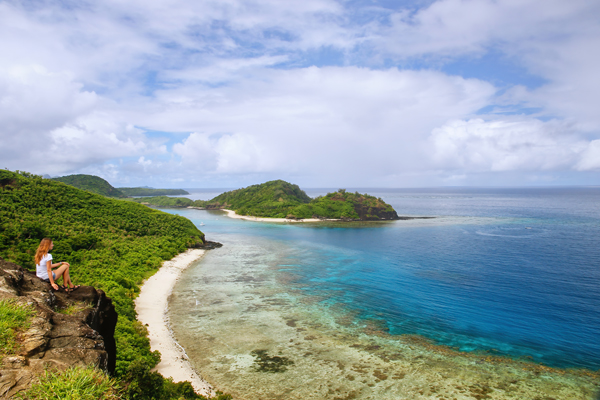
Coastal BeachesFiji is an island nation in the South Pacific comprising over 330 islands, with Viti Levu and Vanua Levu being the two largest. The country is known for its stunning tropical landscapes, pristine beaches, and vibrant coral reefs that make it a premier destination for diving and water sports. Fijian culture blends Melanesian and Indian influences, reflected in its diverse population, cuisine, and traditions. The economy relies heavily on tourism, agriculture, and fishing, with sugar cane and coconut being significant exports. Life in Fiji offers a relaxed pace, strong community bonds, and access to natural beauty, though infrastructure outside major towns can be limited. The country has a developing economy with both modern amenities in urban areas and more traditional village life in rural regions.
 SJB Global
Connect
SJB-Global is a top-rated financial advisory firm specializing in expat financial advice worldwide, offering retirement planning & tax-efficient solutions with a regressive fee model. Our clients benefit from their country’s most favorable tax environment by utilizing the efficient investment vehicles we offer. Our commitment to quality service is reflected in our stellar reviews, with over 300 testimonials boasting 95% five-star ratings.
Click connect to have our partner contact you via e-mail and/or phone.
SJB GlobalSJB-Global is a top-rated financial advisory firm specializing in expat financial advice worldwide, offering retirement planning & tax-efficient solutions with a regressive fee model. Our clients benefit from their country’s most favorable tax environment by utilizing the efficient investment vehicles we offer. Our commitment to quality service is reflected in our stellar reviews, with over 300 testimonials boasting 95% five-star ratings.
Connect
Click connect to have our partner contact you via e-mail and/or phone.
Podcasts

Episode 6: Jake Barber - Expat Finance Expert and Lifelong Expat



Episode 8: Jake Barber - The Expat Finance Expert Returns
Living in Fiji
Best Places to Live in Fiji
Visa & Residency
Obtaining a residency in Fiji involves several steps and can be considered an average challenge for expats. The most common types of residency visas are the Fiji Residence Visa and the Work Permit. To apply for a Fiji Residence Visa, expats must first secure a job offer or establish a business in Fiji. The employer or business must then apply for approval from the Fiji Department. Once approved, the expat can apply for the visa by submitting the necessary documents, which typically include a completed application form, passport-sized photos, a valid passport, a police clearance report, a medical report, and evidence of financial stability. For those looking to work in Fiji, a Work Permit is required. The application process for a Work Permit is similar to that of the Residence Visa, with the addition of requiring a contract of employment from a Fijian company. The employer is usually responsible for applying for the Work Permit on behalf of the expat. Digital nomads often use the Tourist Visa, which allows them to stay in Fiji for up to four months. This visa can be obtained upon arrival for citizens of many countries and can be extended for up to six months with an application to the Department of Immigration. The process for obtaining residency can be straightforward if all the required documents are in order and the expat meets all the criteria set by the Fijian government. However, it can become challenging if there are issues with documentation or if the expat does not meet the financial or health requirements. It is advisable for expats to consult with the Fiji Immigration Department or a legal professional specializing in Fijian immigration law to ensure a smooth application process.
Healthcare in Fiji
Fiji's system includes both public and private healthcare services. The public healthcare system is accessible to all Fijians and is free at the point of delivery, funded by the government. However, the quality of public healthcare can vary, with urban areas typically having better facilities and more resources than rural ones. Private healthcare in Fiji offers higher quality services with more modern facilities and shorter waiting times, but at a higher cost. Expats and digital nomads can access public healthcare once they have the appropriate visa and permits, but many opt for private health insurance to cover private healthcare costs.
Cost of Living
The cost of living in Fiji is moderate but varies significantly between urban centers like Suva and Nadi versus rural areas. Rental accommodation in Suva or Nadi ranges from FJD 800-2,000 per month for a one-bedroom apartment, while property purchases average FJD 300,000-600,000 for modest homes in developed areas. Daily expenses such as groceries, dining, and utilities are relatively affordable compared to developed nations, though imported goods carry higher prices due to island logistics.
Weather
Fiji has a tropical climate with a warm, humid wet season from November to April and a cooler, drier season from May to October. The wet season brings higher rainfall, occasional cyclones, and temperatures around 28-32°C (82-90°F), while the dry season features more moderate temperatures of 22-27°C (72-81°F) and lower humidity. Cyclone season peaks between December and March, requiring preparedness during these months. Year-round, temperatures remain warm, making Fiji consistently tropical throughout the year.
Educational System in Fiji
The educational system in Fiji is structured similarly to that of the British system, reflecting the country's colonial past. Education in Fiji is compulsory and free for children between the ages of 6 and 14. The school year in Fiji typically starts in January and ends in December, with breaks in April, August, and December. The education system is divided into three levels: primary, secondary, and tertiary. Primary education lasts for six years, known as Class 1 through Class 6. After completing primary school, students move on to secondary education, which consists of four years of junior secondary (Forms 3 to 6) and two years of senior secondary education (Forms 7 and 8). Students take the Fiji Eighth Year Exam at the end of Class 6 to transition to secondary school, and the Fiji Junior Certificate Examination at the end of Form 4. The Fiji School Leaving Certificate is taken at the end of Form 6, and the Fiji Seventh Form Examination or the Fiji Year 13 Certificate is taken at the end of Form 7. These examinations are crucial for progression to tertiary education or the workforce. The quality of education in Fiji varies, with urban schools generally having better resources and facilities than rural schools. English is the medium of instruction in most schools, which is beneficial for expatriate families. However, Fijian and Hindi are also taught as part of the curriculum.
Living in Fiji
Healthcare in Fiji
Best Places to Live in Fiji
Moving to Fiji