Honduras
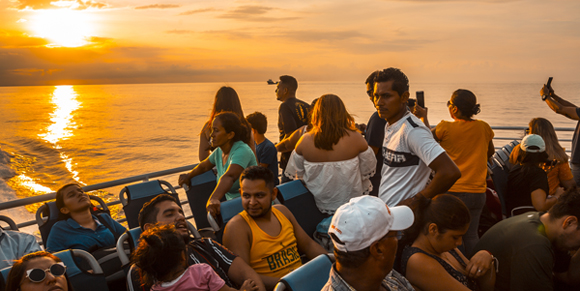
Coastal BeachesHonduras is a Central American country located between Guatemala, El Salvador, and Nicaragua, with Caribbean and Pacific coastlines. The nation is characterized by mountainous terrain, tropical rainforests, and diverse ecosystems including the Mesoamerican Barrier Reef. The culture blends indigenous Mayan heritage with Spanish colonial influences and African traditions, reflected in music, food, and local customs. The economy is primarily based on agriculture, manufacturing, and tourism, though it faces challenges with poverty and infrastructure development. Life in Honduras offers affordable living costs, vibrant local communities, and access to natural attractions, though visitors should be aware of safety concerns in certain areas. The country appeals to those seeking tropical living, outdoor adventures, and cultural immersion at a low cost.
 SJB Global
Connect
SJB-Global is a top-rated financial advisory firm specializing in expat financial advice worldwide, offering retirement planning & tax-efficient solutions with a regressive fee model. Our clients benefit from their country’s most favorable tax environment by utilizing the efficient investment vehicles we offer. Our commitment to quality service is reflected in our stellar reviews, with over 300 testimonials boasting 95% five-star ratings.
Click connect to have our partner contact you via e-mail and/or phone.
SJB GlobalSJB-Global is a top-rated financial advisory firm specializing in expat financial advice worldwide, offering retirement planning & tax-efficient solutions with a regressive fee model. Our clients benefit from their country’s most favorable tax environment by utilizing the efficient investment vehicles we offer. Our commitment to quality service is reflected in our stellar reviews, with over 300 testimonials boasting 95% five-star ratings.
Connect
Click connect to have our partner contact you via e-mail and/or phone.
Podcasts

Episode 8: Jake Barber - The Expat Finance Expert Returns



Episode 6: Jake Barber - Expat Finance Expert and Lifelong Expat
Living in Honduras
Best Places to Live in Honduras
Visa & Residency
Obtaining a residency in Honduras can be an involved process, but it is manageable with the right preparation. The most common types of residency visas are the Pensionado Visa and the Rentista Visa. The Pensionado Visa is designed for retirees who receive a pension from abroad. To qualify, applicants must prove a monthly income of at least $600 from a pension or retirement fund. The Rentista Visa is for those who can prove a regular income of at least $2,500 per month from investments, property rentals, or other sources outside of Honduras. The application process involves gathering various documents, such as a police record, health certificate, proof of income, and a passport valid for at least six months. All documents from outside Honduras must be apostilled or authenticated by the Honduran consulate. After compiling the necessary paperwork, applicants must submit their application to the Dirección General de Migración y Extranjería (DGME) in Honduras. Once the application is submitted, the review process can take several months. During this time, the DGME may request additional documents or clarifications. It's important to note that all documents must be translated into Spanish by a certified translator. After approval, the applicant will receive a residency card, which must be renewed periodically. While the process is bureaucratic and can be time-consuming, it is generally considered average in difficulty compared to other countries. It is highly recommended to seek assistance from a local attorney or a company that specializes in to navigate the process more smoothly. The lack of a specific visa for digital nomads means that those looking to work remotely from Honduras typically enter on a Tourist Visa, which allows a stay of up to 90 days and can be extended for an additional 90 days. However, this does not grant the right to work legally in Honduras, and long-term stays would require a different type of residency visa.
Healthcare in Honduras
The healthcare system in Honduras consists of both public and private sectors. The public healthcare system is managed by the Honduran Ministry of Health and the Honduran Social Security Institute. It provides services to the majority of the population, especially those who cannot afford private healthcare. However, the public healthcare system is often underfunded and faces challenges such as limited resources, understaffing, and long waiting times. Private healthcare in Honduras is available and offers higher quality services with more modern facilities and shorter waiting times, but it is more expensive and thus less accessible to the general population. Expats and digital nomads can access public healthcare if they are legal residents and contribute to the social security system, but many opt for private health insurance to ensure access to private hospitals and clinics.
Cost of Living
Honduras offers one of the lowest costs of living in Central America, making it attractive for budget-conscious relocators. Rental housing ranges from $300-800 USD monthly for modest apartments in cities like Tegucigalpa or San Pedro Sula, while property purchases can be found for $50,000-150,000 USD for basic homes outside major urban centers. Daily expenses including food, transportation, and utilities are significantly lower than North American or European standards, with a comfortable lifestyle achievable on $1,000-1,500 USD per month.
Weather
Honduras has a tropical climate with a rainy season from May to November and a dry season from December to April. Temperatures remain warm year-round, typically ranging from 75-90°F (24-32°C) in lowland areas, while mountainous regions are cooler. The Caribbean coast receives more rainfall than the Pacific side, and the country is occasionally affected by hurricanes during the Atlantic hurricane season. Humidity is generally high throughout the year, particularly in coastal and rainforest regions.
Educational System in Honduras
The educational system in Honduras is structured into three main levels: pre-primary, primary, and secondary education, followed by higher education. Pre-primary education is not mandatory and caters to children from ages 3 to 6. Primary education is compulsory and free in public schools, starting at age 6 and lasting for six years, culminating in a primary education certificate. Secondary education is divided into two cycles: the first three years, known as ciclo común, provide a basic secondary education, and the last two years are diversified into academic or technical tracks, leading to a high school diploma. The academic track prepares students for university education, while the technical track provides vocational training. The school year in Honduras typically runs from February to November. The quality of education can vary significantly, with private schools generally offering higher quality education than public schools. Many families moving to Honduras from abroad opt for private or international schools to ensure a consistent education that aligns with international standards. The literacy rate in Honduras has been improving, but challenges such as poverty, rural access, and limited resources still impact the educational system.
Living in Honduras
Healthcare in Honduras
Best Places to Live in Honduras
Moving to Honduras