Iceland
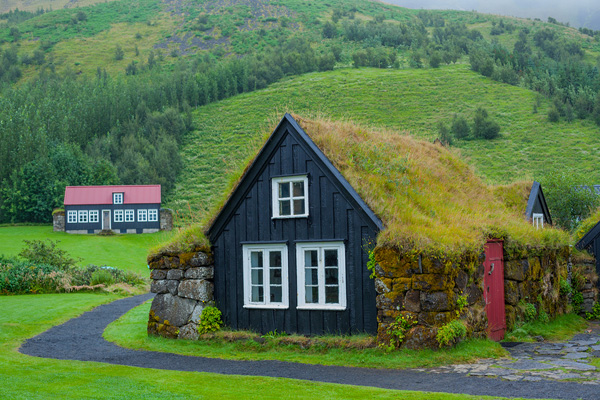
Coastal BeachesIceland is a Nordic island nation located in the North Atlantic, known for its dramatic volcanic landscapes, glaciers, and geothermal activity. The country has a small but highly educated population concentrated mainly in the capital region of Reykjavik. Iceland's economy is modern and developed, built on fishing, tourism, renewable energy, and technology sectors. The culture is deeply rooted in Norse heritage, with a strong literary tradition and vibrant music and arts scene. Life in Iceland offers exceptional natural beauty and a high quality of life, though it comes with significant costs and a remote island setting. The country is known for its progressive social policies, gender equality, and strong sense of community.
 BlueCross BlueShield Global Solutions
Get Quote
BlueCross BlueShield Global Solutions (BCBS) offers global health plans for international assignments or trips lasting 6 months or longer. With access to over 1.7M medical providers in 190 countries around the world, BCBS provides members with solutions and industry-leading digital services - ensuring top-quality coverage to people who live, work, study and travel internationally.
BlueCross BlueShield Global SolutionsBlueCross BlueShield Global Solutions (BCBS) offers global health plans for international assignments or trips lasting 6 months or longer. With access to over 1.7M medical providers in 190 countries around the world, BCBS provides members with solutions and industry-leading digital services - ensuring top-quality coverage to people who live, work, study and travel internationally.
Get Quote
Podcasts

Episode 8: Jake Barber - The Expat Finance Expert Returns



Episode 6: Jake Barber - Expat Finance Expert and Lifelong Expat
Living in Iceland
Best Places to Live in Iceland
Visa & Residency
Obtaining a residency in Iceland involves several steps and the difficulty can vary depending on the type of visa and individual circumstances. The Directorate of (Útlendingastofnun) is the authority responsible for issuing residence permits in Iceland. The most common types of residence permits for expats include the Residence Permit for Work, Residence Permit for Athletes, and Residence Permit for Students. To apply for a Residence Permit for Work, an applicant must have a job offer from an Icelandic employer. The employer must demonstrate that the position could not be filled by a person from the EEA/EFTA. The application must include various documents, such as a criminal record certificate, a health insurance certificate, and proof of accommodation. For athletes, the Residence Permit for Athletes is available, which requires an employment contract with a sports club registered in Iceland and recognized by the Icelandic Sports and Olympic Committee. Students who wish to study at an Icelandic educational institution can apply for a Residence Permit for Students, provided they have been accepted into a program and can show proof of financial support and health insurance. The process can be considered average in terms of difficulty, but it requires careful attention to detail and complete documentation. Applications can be submitted online or through paper forms, and fees apply. Processing times can vary, but it generally takes around 90 days for a decision. It is important to apply well in advance of the intended move date to allow for any potential delays. For digital nomads, there is no specific visa category, but they can apply for a regular residence permit that allows them to live in Iceland for up to six months. This would require showing sufficient financial means, health insurance, and a detailed plan of their stay. Overall, while the process is bureaucratic and requires various documents, it is manageable with proper preparation and understanding of the requirements.
Healthcare in Iceland
The system in Iceland is predominantly public, funded through taxes and administered by the Ministry of Welfare. It is known for providing high-quality healthcare services to its residents. The system is universal, meaning all legal residents have access to healthcare services, with a focus on preventive care and general well-being. Private healthcare exists but is less common, mainly offering specialized services not covered by the public system. The cost of public healthcare is relatively low due to government subsidies, while private healthcare costs can be higher and are usually covered by private insurance or out-of-pocket payments. Expats and digital nomads can access public healthcare once they become legal residents, which typically involves living in Iceland for six months and registering with the National Registry.
Cost of Living
Iceland has one of the highest costs of living in the world, particularly for housing and imported goods. Rental prices in Reykjavik typically range from 1,200-2,000 EUR per month for a one-bedroom apartment in the city center, with property purchases averaging 8,000-12,000 EUR per square meter. Daily expenses including groceries, dining, and utilities are significantly higher than most European countries, making Iceland an expensive destination for relocation.
Weather
Iceland experiences a subarctic climate with cool summers and cold winters, moderated somewhat by the Gulf Stream. Winter temperatures typically range from -5°C to 0°C (23°F to 32°F), while summers average 10-15°C (50-59°F). The country experiences extreme seasonal variation in daylight, with nearly 24-hour daylight in summer and very limited daylight in winter. Precipitation is frequent year-round, with snow common in winter and rain throughout other seasons.
Educational System in Iceland
The educational system in Iceland is known for its high quality and is designed to cater to the needs of all children. Education is compulsory and free for children between the ages of 6 and 16. The system is divided into four levels: playschool, compulsory, upper-secondary, and higher education. Playschool, or leikskóli, is non-compulsory preschool education for children up to the age of six. Compulsory education, or grunnskóli, is from ages 6 to 16 and is similar to elementary and middle school, consisting of 10 grades. After completing compulsory education, students can attend upper-secondary school, or framhaldsskóli, which is similar to high school in other countries and typically lasts four years. Upper-secondary education prepares students for either vocational professions or higher education. Students graduate with a stúdentspróf, which is equivalent to a high school diploma and is required for university admission. The Icelandic educational system emphasizes egalitarianism and inclusivity, with special support for students with disabilities. The curriculum focuses on preparing students for active participation in a democratic society, with an emphasis on creativity, critical thinking, and independence. The school year in Iceland typically starts in late August or early September and ends in May or June.
Living in Iceland
Healthcare in Iceland
Best Places to Live in Iceland
Moving to Iceland