Lucca
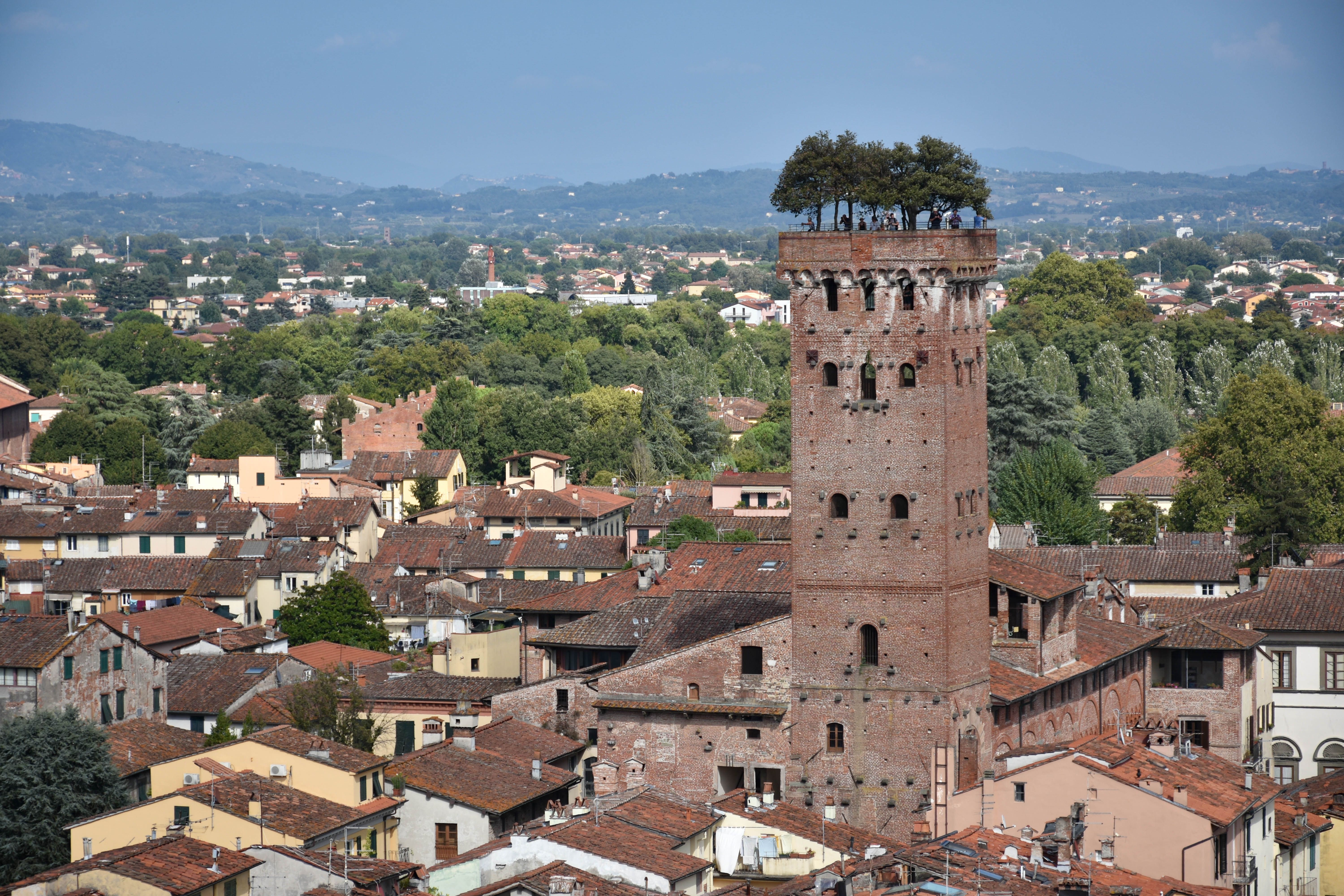
Urban RiverfrontLucca draws history enthusiasts, artists, and professionals seeking a slower pace within Tuscany's heart. The city is ringed by intact Renaissance walls that visitors and residents walk daily, a rarity in modern Europe. Medieval towers punctuate the skyline; narrow streets open onto piazzas where cafes spill onto stone. The Duomo di San Martino and the Church of San Michele anchor the spiritual and architectural landscape. Lucca's economy has historically centered on silk production and banking, legacies visible in palazzo architecture and civic institutions. Today it attracts remote workers and retirees drawn to walkability, cultural institutions, and proximity to Florence and the Tuscan countryside. The city maintains a working character—not a museum—with markets, schools, and local shops serving residents alongside tourism. Cycling is the primary transport; cars are restricted in the historic center. The surrounding region produces wine, olive oil, and chestnuts, connecting the city to agricultural rhythms.
 SJB Global
Connect
SJB-Global is a top-rated financial advisory firm specializing in expat financial advice worldwide, offering retirement planning & tax-efficient solutions with a regressive fee model. Our clients benefit from their country’s most favorable tax environment by utilizing the efficient investment vehicles we offer. Our commitment to quality service is reflected in our stellar reviews, with over 300 testimonials boasting 95% five-star ratings.
Click connect to have our partner contact you via e-mail and/or phone.
SJB GlobalSJB-Global is a top-rated financial advisory firm specializing in expat financial advice worldwide, offering retirement planning & tax-efficient solutions with a regressive fee model. Our clients benefit from their country’s most favorable tax environment by utilizing the efficient investment vehicles we offer. Our commitment to quality service is reflected in our stellar reviews, with over 300 testimonials boasting 95% five-star ratings.
Connect
Click connect to have our partner contact you via e-mail and/or phone.
Visa & Residency
Obtaining a residency in Italy involves several steps and the process can vary depending on the type of visa you are applying for. The most common types of visas for expats include the Elective Residence Visa and the Work Visa. The Elective Residence Visa is designed for individuals who can prove they have a high, steady income from sources outside of Italy and do not need to work in the country. Applicants must show they have sufficient funds to support themselves, a place to live, and comprehensive health insurance. This visa is valid for one year and can be renewed. The Work Visa is for those who have secured a job in Italy before entering the country. The employer must apply for a work permit on behalf of the employee, which is subject to quotas. Once the work permit is granted, the employee can apply for the visa. This process can be quite competitive and time-consuming due to the quota system. Other visas include the Student Visa and Family Reunification Visa. The process generally involves gathering the required documentation, such as a valid passport, proof of financial means, accommodation, and health insurance, and submitting an application to the Italian consulate or embassy in your home country. An appointment is usually required, and you may need to attend an interview. The difficulty of the process can vary; it is often described as average, but it can be challenging due to the bureaucracy and strict requirements. It is advisable to start the application process well in advance of your intended move date and to seek assistance from professionals if necessary. Once in Italy, you will need to apply for a residence permit (permesso di soggiorno) within eight days of arrival to stay legally. This additional step involves going to the local post office or police station (Questura) to submit the necessary paperwork. Overall, while the process can be bureaucratic and requires careful preparation, it is manageable with the right planning and support.
Cost of Living
Living in Lucca costs considerably less than Florence or coastal Tuscany, though prices have risen as remote work and international interest increased. Rental apartments in the historic center run higher than surrounding towns; groceries and dining out remain affordable by Western European standards. Property purchase prices reflect the city's cultural significance and walkability but remain accessible compared to major Italian cities.
Weather
Lucca experiences a humid subtropical climate with warm summers reaching the mid-80s Fahrenheit and mild winters averaging 40-50°F, with moderate rainfall distributed throughout the year.
Healthcare in Lucca
Ospedale San Luca, the main public hospital, handles general medicine and emergency care with competent staff but occasional wait times during peak seasons. Private clinics like Clinica Barbantini offer faster access for non-emergencies. English-speaking doctors are available but not guaranteed; basic Italian or translation apps are practical.
Schools in Lucca
Lucca has limited but functional international school options, primarily serving expat families. The main option is Scuola Internazionale di Lucca, which offers an international curriculum alongside Italian education, though enrollment is modest compared to larger Italian cities.
Several schools in Lucca operate bilingual Italian-English programs, particularly at the primary level. These are typically integrated into the public or private school system rather than standalone institutions, making them accessible but requiring direct inquiry with individual schools.
Restaurants in Lucca
Living in Lucca
Moving to Lucca
Healthcare in Lucca