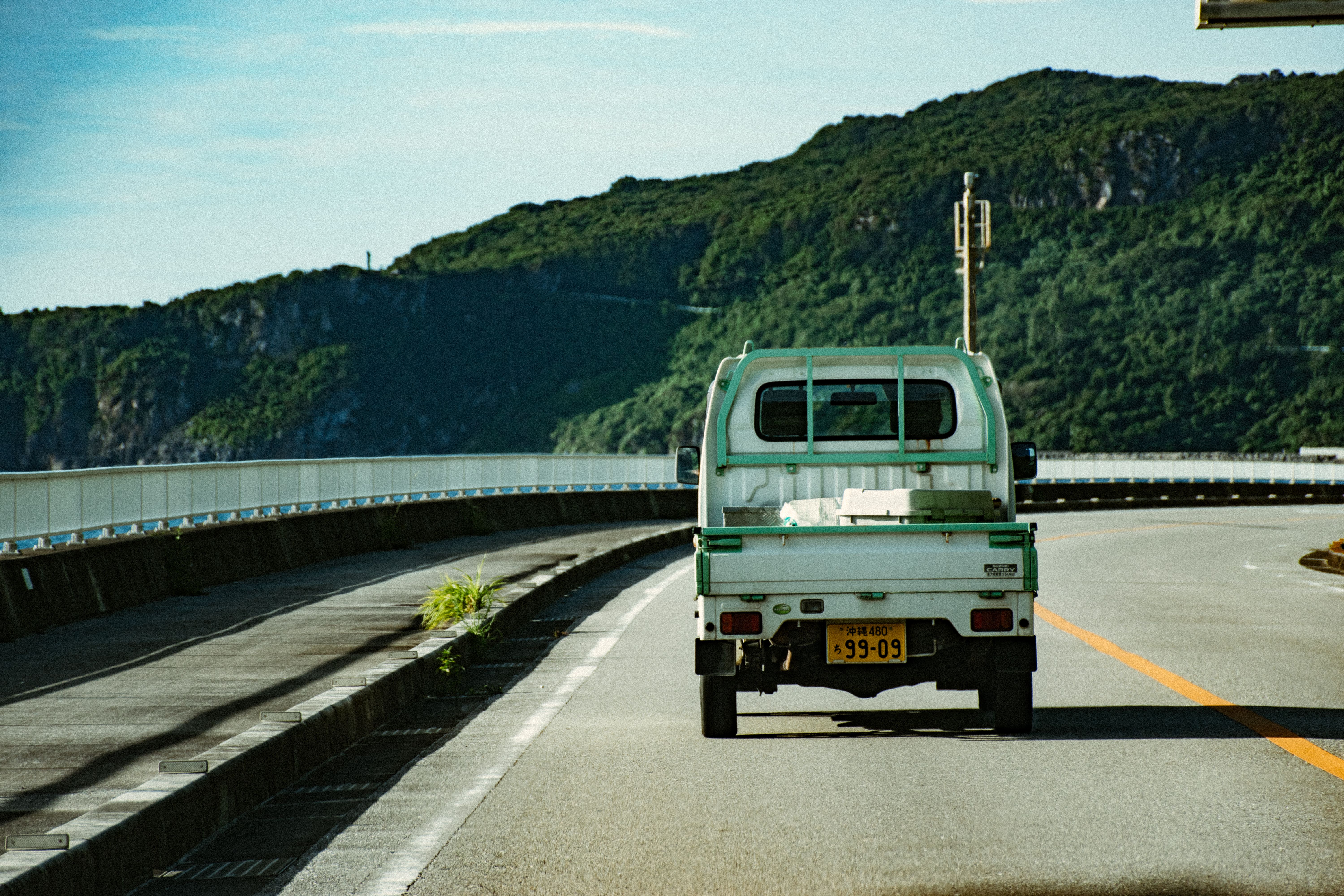
Okinawa
Urban Coastal BeachesOkinawa is Japan's southernmost prefecture, a place where the pace slows and the light seems different—tropical, almost languid. Life here moves to the rhythm of the sea and seasons rather than Tokyo's relentless clock. The islands have their own distinct culture, dialect, and food traditions that feel distinctly separate from mainland Japan, shaped by centuries as an independent kingdom before integration. You'll find yourself surrounded by coral reefs, limestone cliffs, and dense subtropical vegetation. The local cuisine emphasizes pork, bitter melon, and sea vegetables in ways you won't encounter elsewhere in Japan. Shuri Castle stands as a symbol of Okinawan identity and history. The islands attract visitors for diving, snorkeling, and beach time, but locals experience something deeper—a genuine island life with strong community ties, spiritual practices rooted in indigenous beliefs, and a landscape that feels both timeless and increasingly modern. The mix of American military presence (from post-WWII history) and traditional Okinawan culture creates an unusual cultural texture you won't find in other Japanese cities.
 SJB Global
Connect
SJB-Global is a top-rated financial advisory firm specializing in expat financial advice worldwide, offering retirement planning & tax-efficient solutions with a regressive fee model. Our clients benefit from their country’s most favorable tax environment by utilizing the efficient investment vehicles we offer. Our commitment to quality service is reflected in our stellar reviews, with over 300 testimonials boasting 95% five-star ratings.
Click connect to have our partner contact you via e-mail and/or phone.
SJB GlobalSJB-Global is a top-rated financial advisory firm specializing in expat financial advice worldwide, offering retirement planning & tax-efficient solutions with a regressive fee model. Our clients benefit from their country’s most favorable tax environment by utilizing the efficient investment vehicles we offer. Our commitment to quality service is reflected in our stellar reviews, with over 300 testimonials boasting 95% five-star ratings.
Connect
Click connect to have our partner contact you via e-mail and/or phone.
Visa & Residency
Obtaining a residency in Japan involves several steps and the process can be quite meticulous, but it is manageable with the right documentation and preparation. The most common types of residency visas include the Highly Skilled Professional Visa, which is aimed at attracting skilled foreign professionals in certain fields; the Working Visa, for those with job offers in Japan in various categories such as Engineer, Specialist in Humanities, or International Services; and the Spouse or Child of Japanese National Visa, for those who have a family connection to a Japanese citizen. The process typically starts with securing a job offer or sponsorship from a Japanese company or individual, which is necessary for most types of work-related visas. The sponsor in Japan will often assist in the application process and provide necessary documentation, such as a Certificate of Eligibility (COE), which is required to apply for the visa at a Japanese embassy or consulate in the applicant's home country. Applicants must submit the COE, a valid passport, visa application form, photograph, and any additional required documents specific to the type of visa they are applying for. The requirements can vary greatly depending on the visa category, so it is crucial to check the specific criteria for the chosen visa type. Once the application is submitted, it can take several weeks to several months for the Japanese authorities to process the visa. If approved, the applicant will receive a visa that allows them to enter Japan. Upon arrival, they must register their residence at the local municipal office and apply for a Residence Card, which is necessary for daily life in Japan. The difficulty of the process can vary based on the applicant's circumstances and the type of visa. Some visas, like the Highly Skilled Professional Visa, have a points-based system and require proof of advanced education and specialized skills. Others, like the Spouse or Child of Japanese National Visa, may have more straightforward criteria but still require substantial documentation to prove the family relationship. Overall, while the process is systematic and can be time-consuming, it is generally considered average in difficulty compared to other countries, provided that the applicant meets the eligibility criteria and has all the necessary documentation in order.
Cost of Living
Living costs in Okinawa sit in the middle range for Japan—cheaper than Tokyo or Osaka but not dramatically so. Housing, especially in central areas, can be pricey due to limited inventory and tourism demand, though you'll find more affordable options outside main tourist zones. Groceries and dining out are reasonable, and utilities are manageable year-round since heating needs are minimal.
Weather
Okinawa has a subtropical climate with warm temperatures year-round, hot and humid summers, and mild winters with occasional rain. Typhoon season runs from May through October.
Healthcare in Okinawa
Okinawa has several capable general hospitals including Okinawa Prefectural Hospital and Japanese Red Cross Naha Hospital, both equipped for standard acute care and emergency services. English-speaking staff is inconsistent outside major facilities; arranging interpretation in advance for non-emergency procedures is advisable. Dental and specialist care quality is solid but may require travel to Naha for complex cases.
Schools in Okinawa
Okinawa International School (OIS) operates an IB curriculum from elementary through high school and draws expat families across the island. Kubasaki High School on Kadena Air Base serves American military dependents with a U.S. Department of Defense curriculum. Both schools have English-medium instruction and international student bodies, though OIS is the primary civilian option.
Several private institutions offer Japanese-English bilingual tracks, including Okinawa Shougaku and smaller kindergarten-through-elementary programs scattered across Naha and central Okinawa. Quality and curriculum depth vary significantly between schools, with most emphasizing conversational English rather than full bilingual academic instruction.
Restaurants in Okinawa
Living in Okinawa
Moving to Okinawa
Healthcare in Okinawa