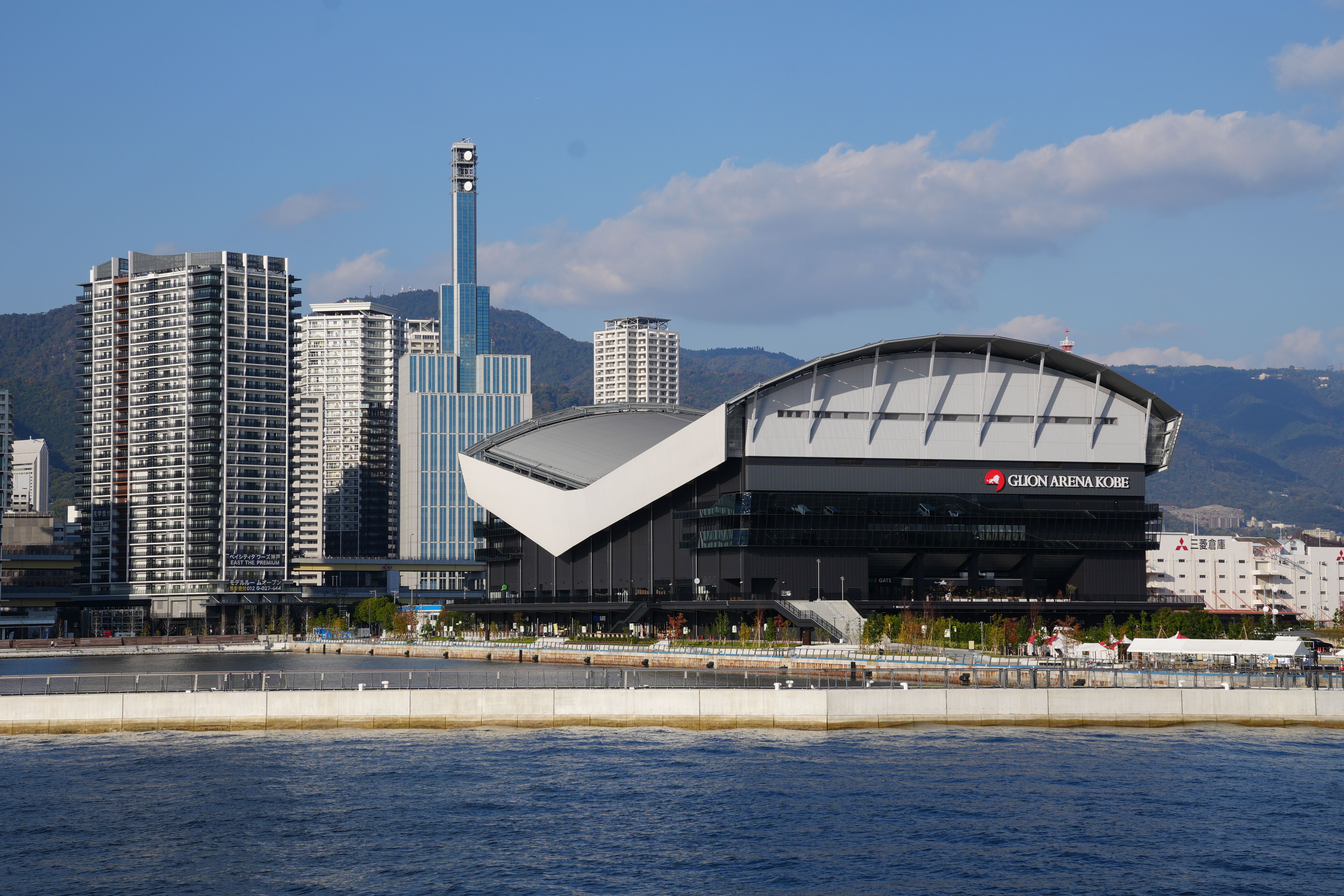
kobe
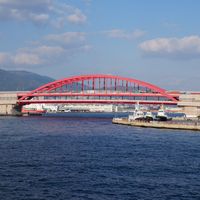
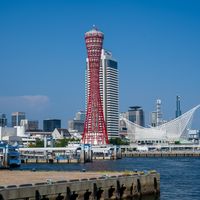
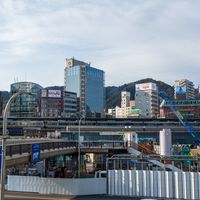
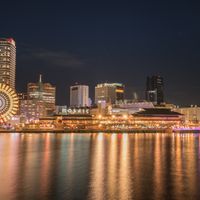
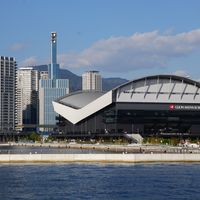
Urban Coastal Beaches RiverfrontKobe is a major port city located in the Hyogo Prefecture on the island of Honshu in Japan. As one of Japan's most important maritime hubs, Kobe has a rich history as an international trading center, particularly following the opening of its port in 1868 during the Meiji Restoration. The city is known for its cosmopolitan atmosphere, blending traditional Japanese culture with Western influences visible in its architecture, cuisine, and lifestyle. Kobe experienced significant devastation from the Great Hanshin earthquake in 1995, but has since rebuilt and modernized, becoming a symbol of resilience and urban renewal. The city features a distinctive skyline with modern skyscrapers alongside historic neighborhoods. Kobe is famous for its beef, which is considered among the finest in the world and is a culinary highlight for visitors. The city offers a vibrant cultural scene with museums, galleries, and theaters. Its waterfront area, known as Harborland, is a popular destination with shopping, dining, and entertainment venues. Kobe's location between the Seto Inland Sea and surrounding mountains creates a picturesque setting. The city is well-connected by rail and serves as a gateway to other regions of Japan. Kobe maintains a balance between being a bustling international business center and a place where traditional Japanese culture remains present in temples, shrines, and local neighborhoods.
 SJB Global
Connect
SJB-Global is a top-rated financial advisory firm specializing in expat financial advice worldwide, offering retirement planning & tax-efficient solutions with a regressive fee model. Our clients benefit from their country’s most favorable tax environment by utilizing the efficient investment vehicles we offer. Our commitment to quality service is reflected in our stellar reviews, with over 300 testimonials boasting 95% five-star ratings.
Click connect to have our partner contact you via e-mail and/or phone.
SJB GlobalSJB-Global is a top-rated financial advisory firm specializing in expat financial advice worldwide, offering retirement planning & tax-efficient solutions with a regressive fee model. Our clients benefit from their country’s most favorable tax environment by utilizing the efficient investment vehicles we offer. Our commitment to quality service is reflected in our stellar reviews, with over 300 testimonials boasting 95% five-star ratings.
Connect
Click connect to have our partner contact you via e-mail and/or phone.
Visa & Residency
Obtaining a residency in Japan involves several steps and the process can be quite meticulous, but it is manageable with the right documentation and preparation. The most common types of residency visas include the Highly Skilled Professional Visa, which is aimed at attracting skilled foreign professionals in certain fields; the Working Visa, for those with job offers in Japan in various categories such as Engineer, Specialist in Humanities, or International Services; and the Spouse or Child of Japanese National Visa, for those who have a family connection to a Japanese citizen. The process typically starts with securing a job offer or sponsorship from a Japanese company or individual, which is necessary for most types of work-related visas. The sponsor in Japan will often assist in the application process and provide necessary documentation, such as a Certificate of Eligibility (COE), which is required to apply for the visa at a Japanese embassy or consulate in the applicant's home country. Applicants must submit the COE, a valid passport, visa application form, photograph, and any additional required documents specific to the type of visa they are applying for. The requirements can vary greatly depending on the visa category, so it is crucial to check the specific criteria for the chosen visa type. Once the application is submitted, it can take several weeks to several months for the Japanese authorities to process the visa. If approved, the applicant will receive a visa that allows them to enter Japan. Upon arrival, they must register their residence at the local municipal office and apply for a Residence Card, which is necessary for daily life in Japan. The difficulty of the process can vary based on the applicant's circumstances and the type of visa. Some visas, like the Highly Skilled Professional Visa, have a points-based system and require proof of advanced education and specialized skills. Others, like the Spouse or Child of Japanese National Visa, may have more straightforward criteria but still require substantial documentation to prove the family relationship. Overall, while the process is systematic and can be time-consuming, it is generally considered average in difficulty compared to other countries, provided that the applicant meets the eligibility criteria and has all the necessary documentation in order.

Cost of Living
The cost of living in Kobe is high, particularly for housing and dining at quality establishments. As a major international port city and business hub, prices for accommodation, especially in desirable neighborhoods, reflect strong demand. Dining at restaurants serving premium Kobe beef and international cuisine adds to overall expenses.
Weather
Kobe has a humid subtropical climate with warm summers and mild winters, experiencing moderate rainfall throughout the year.
Healthcare in kobe
Kobe has well-developed healthcare facilities including several major hospitals and medical centers with modern equipment and English-speaking staff available at many institutions. The city maintains high standards of medical care and is accessible for both routine and emergency medical services.
Schools in kobe
Kobe has several international schools including Kobe International School, which offers an IB curriculum, and Canadian Academy, which provides North American-style education. These schools serve the expatriate community and Japanese families seeking international education.
Kobe offers bilingual education options that combine Japanese and English instruction, catering to families seeking dual-language development for their children.
Restaurants in kobe
Living in kobe
Moving to kobe
Healthcare in kobe