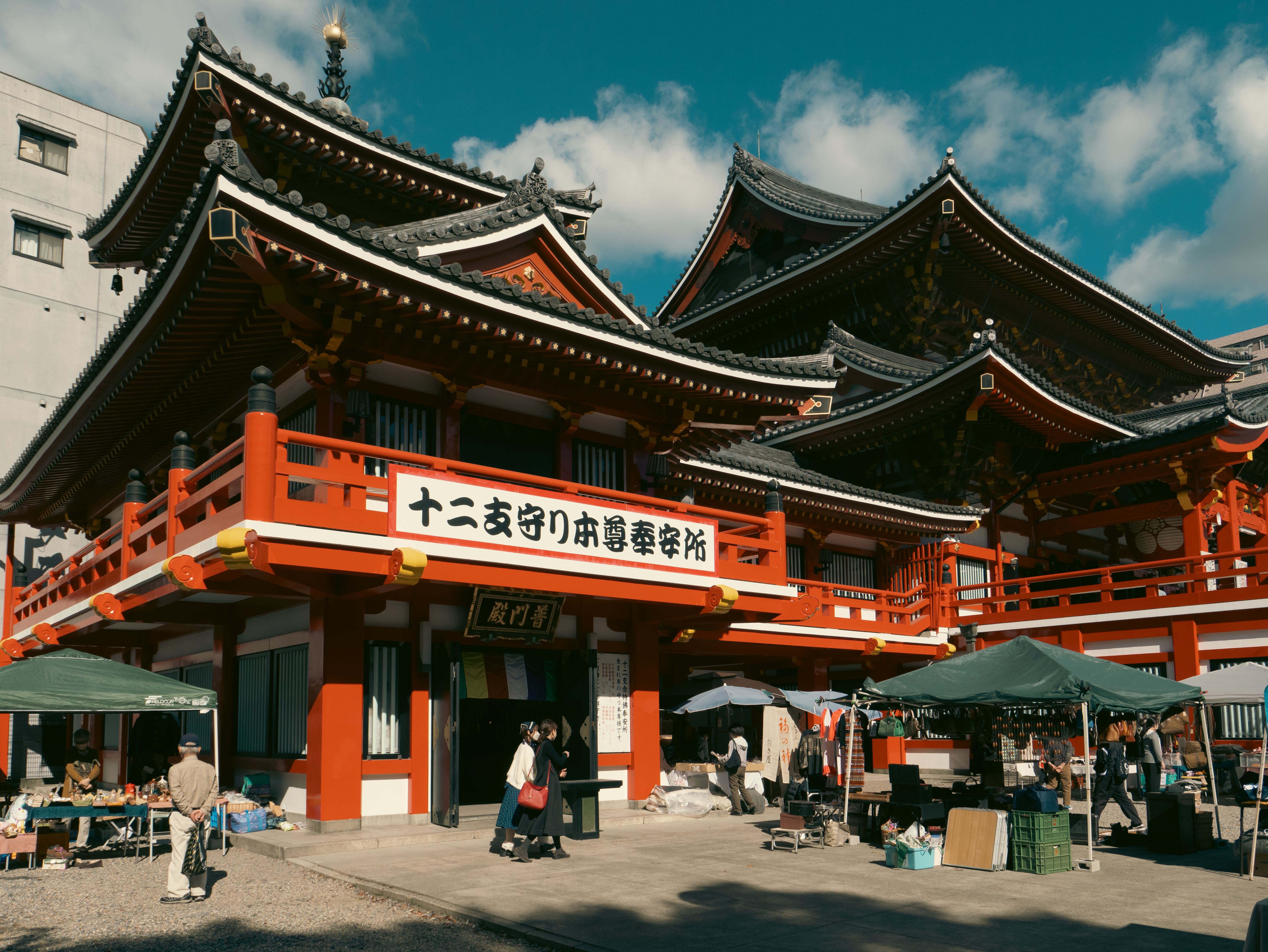
Nagoya
Urban RiverfrontNagoya is a major metropolitan city located in central Japan, serving as the capital of Aichi Prefecture. As Japan's fourth-largest city, Nagoya is a significant economic and cultural hub known for its manufacturing heritage, particularly in the automotive and aerospace industries. The city blends traditional Japanese culture with modern urban development, featuring historic landmarks such as Nagoya Castle alongside contemporary architecture and shopping districts. Nagoya's central location makes it an important transportation hub, with excellent rail connections linking it to Tokyo, Kyoto, and other major cities. The city offers diverse attractions including museums, temples, parks, and a vibrant food scene renowned for local specialties. Nagoya's neighborhoods range from bustling commercial areas to quieter residential districts, providing varied experiences for residents and visitors. The city has undergone significant modernization while preserving cultural heritage sites and traditions. Its strategic position in the Tokaido region has historically made it an important center of commerce and culture.
 PassportCard Expat Health Insurance
Get Quote
Never worry about paying your medical bills out of pocket again. The innovative PassportCard allows for a stress-free experience for all expat families, remote travelers, and workers. With a 24/7 customer service and an outstanding customer base of over 2 Million clients, it will feel like medical care at home. Get up to 10% off on your policy now.
PassportCard Expat Health InsuranceNever worry about paying your medical bills out of pocket again. The innovative PassportCard allows for a stress-free experience for all expat families, remote travelers, and workers. With a 24/7 customer service and an outstanding customer base of over 2 Million clients, it will feel like medical care at home. Get up to 10% off on your policy now.
Get Quote
Visa & Residency
Obtaining a residency in Japan involves several steps and the process can be quite meticulous, but it is manageable with the right documentation and preparation. The most common types of residency visas include the Highly Skilled Professional Visa, which is aimed at attracting skilled foreign professionals in certain fields; the Working Visa, for those with job offers in Japan in various categories such as Engineer, Specialist in Humanities, or International Services; and the Spouse or Child of Japanese National Visa, for those who have a family connection to a Japanese citizen. The process typically starts with securing a job offer or sponsorship from a Japanese company or individual, which is necessary for most types of work-related visas. The sponsor in Japan will often assist in the application process and provide necessary documentation, such as a Certificate of Eligibility (COE), which is required to apply for the visa at a Japanese embassy or consulate in the applicant's home country. Applicants must submit the COE, a valid passport, visa application form, photograph, and any additional required documents specific to the type of visa they are applying for. The requirements can vary greatly depending on the visa category, so it is crucial to check the specific criteria for the chosen visa type. Once the application is submitted, it can take several weeks to several months for the Japanese authorities to process the visa. If approved, the applicant will receive a visa that allows them to enter Japan. Upon arrival, they must register their residence at the local municipal office and apply for a Residence Card, which is necessary for daily life in Japan. The difficulty of the process can vary based on the applicant's circumstances and the type of visa. Some visas, like the Highly Skilled Professional Visa, have a points-based system and require proof of advanced education and specialized skills. Others, like the Spouse or Child of Japanese National Visa, may have more straightforward criteria but still require substantial documentation to prove the family relationship. Overall, while the process is systematic and can be time-consuming, it is generally considered average in difficulty compared to other countries, provided that the applicant meets the eligibility criteria and has all the necessary documentation in order.
Cost of Living
The cost of living in Nagoya is moderate compared to other major Japanese cities, making it more affordable than Tokyo or Osaka while still offering urban amenities and services. Housing, dining, and transportation costs are reasonable, though prices vary by neighborhood and proximity to central business districts. The city provides good value for residents seeking access to urban conveniences without the premium pricing of Japan's largest metropolitan areas.
Weather
Nagoya experiences a humid subtropical climate with hot, humid summers and mild winters. The city receives moderate rainfall throughout the year, with typhoon season occurring in late summer and early autumn.
Healthcare in Nagoya
Nagoya has well-developed healthcare infrastructure with several major hospitals and medical centers offering high-quality care and modern facilities. The city provides good access to specialized medical services and English-speaking staff at major institutions. Healthcare standards are excellent and comparable to other major Japanese cities.
Schools in Nagoya
Nagoya has several international schools including Nagoya International School (NIS), which offers an IB curriculum, and other English-medium institutions serving the expatriate community. These schools provide education from kindergarten through high school with curricula aligned to international standards.
Nagoya offers bilingual education options, including Japanese-English programs at various private institutions. These schools aim to develop proficiency in both languages while incorporating elements of Japanese culture and curriculum.
Restaurants in Nagoya
Living in Nagoya
Moving to Nagoya
Healthcare in Nagoya