Kuwait
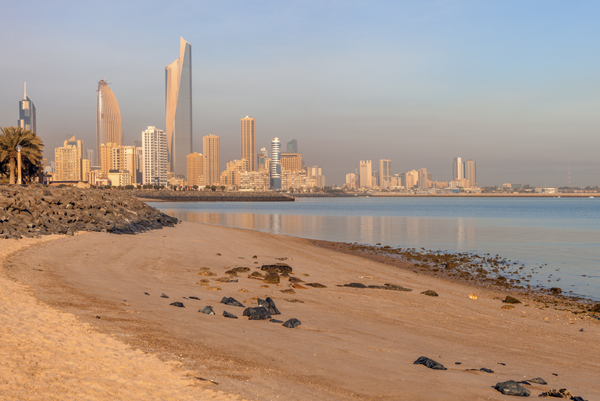
Coastal BeachesKuwait is a small, wealthy nation located on the Persian Gulf in the Middle East, bordered by Iraq and Saudi Arabia. The country is characterized by its desert landscape, modern infrastructure, and significant oil reserves that have driven rapid economic development. Kuwait City, the capital, is a cosmopolitan hub with contemporary architecture, shopping centers, and international business districts. The culture blends traditional Arab heritage with modern influences, reflected in its cuisine, customs, and social practices. The expatriate population is substantial, making it a diverse international community. Life in Kuwait offers high living standards, excellent healthcare and education systems, though summers are extremely hot and the pace of life can be fast-paced and business-oriented.
 BlueCross BlueShield Global Solutions
Get Quote
BlueCross BlueShield Global Solutions (BCBS) offers global health plans for international assignments or trips lasting 6 months or longer. With access to over 1.7M medical providers in 190 countries around the world, BCBS provides members with solutions and industry-leading digital services - ensuring top-quality coverage to people who live, work, study and travel internationally.
BlueCross BlueShield Global SolutionsBlueCross BlueShield Global Solutions (BCBS) offers global health plans for international assignments or trips lasting 6 months or longer. With access to over 1.7M medical providers in 190 countries around the world, BCBS provides members with solutions and industry-leading digital services - ensuring top-quality coverage to people who live, work, study and travel internationally.
Get Quote
Podcasts

Episode 8: Jake Barber - The Expat Finance Expert Returns



Episode 6: Jake Barber - Expat Finance Expert and Lifelong Expat
Living in Kuwait
Best Places to Live in Kuwait
Visa & Residency
Obtaining a residency in Kuwait involves several steps and can be a moderately challenging process, depending on the category under which one is applying. The most common type of residency visa for expatriates is the Kuwait Residence Visa, which is typically tied to employment. To obtain this visa, an individual must first secure a job offer from a Kuwaiti employer. The employer then becomes the sponsor and will usually assist with the visa application process. The employer must obtain a No Objection Certificate (NOC) from the General Administration of Criminal Investigation at the Ministry of Interior. Once the NOC is issued, the employer will send a visa application to the expatriate, who must then visit the nearest Kuwaiti Embassy to get the visa stamped on their passport before entering Kuwait. Upon arrival in Kuwait, expatriates must undergo a medical examination and fingerprinting. They must also apply for a Civil ID card. The residency visa is typically valid for one to three years and can be renewed. Other types of residency visas include the Dependent Visa for family members of a person with a residency visa, and the Investor Visa for those investing in Kuwait. The process for these visas is similar, requiring a sponsor, either a family member or a business entity, and the submission of various documents, including a valid passport, proof of relationship for dependents, and proof of investment for investors. The difficulty of the process can vary based on the expatriate's nationality, qualifications, and the efficiency of the sponsoring employer. It is important to note that Kuwait has strict rules and regulations regarding residency, and any violation can result in fines or deportation. Therefore, it is crucial for expatriates to ensure that all documents are accurate and that they follow the legal process carefully.
Healthcare in Kuwait
The system in Kuwait is comprehensive and provides services to citizens and residents through a network of public and private facilities. The public healthcare system is funded by the government and offers free or low-cost services to Kuwaiti nationals, including preventative, curative, and emergency health services. Expatriates and digital nomads are required to have health insurance to access public healthcare services, which they can obtain through their employers or by purchasing private insurance. The quality of healthcare in both public and private sectors is generally considered good, with well-equipped hospitals and clinics staffed by qualified healthcare professionals. However, the public system can experience overcrowding and longer wait times, leading some to prefer private healthcare for faster and more personalized service. The cost of private healthcare is higher than public healthcare, but it remains competitive by international standards. Expats and digital nomads can access public healthcare once they have a civil ID and health insurance, but many opt for private healthcare due to its higher efficiency and quality of service.
Cost of Living
Kuwait has a high cost of living, particularly for housing and imported goods. Rental prices for apartments in central areas like Salmiya or Jabriya range from $800-2,500+ USD monthly for furnished units, while property purchases are expensive. However, costs can be lower in outlying areas. Daily expenses such as groceries, dining, and utilities are relatively high compared to many countries, though less expensive than some Gulf neighbors. Salaries in Kuwait are often competitive, and many expatriates find the cost manageable with employer housing allowances.
Weather
Kuwait experiences an extreme desert climate with scorching summers and mild winters. Summer temperatures (June to September) regularly exceed 45°C (113°F), with occasional peaks above 50°C (122°F), making outdoor activities challenging during these months. Winters (December to February) are mild and pleasant, with temperatures ranging from 8-20°C (46-68°F). Rainfall is minimal throughout the year, with most precipitation occurring in winter months, and dust storms are common during spring and early summer.
Educational System in Kuwait
The educational system in Kuwait is comprehensive and caters to the needs of its diverse population. Education in Kuwait is divided into four main levels: kindergarten, primary, intermediate, and secondary. Kindergarten is optional and typically starts at the age of four. Primary education begins at the age of six and lasts for five years, followed by a four-year intermediate education. Secondary education also spans four years, culminating in the General Secondary School Certificate. The Kuwaiti government places a strong emphasis on education, which is compulsory for all children from the age of six until the end of intermediate education. Public education is free for Kuwaiti citizens, and the government also provides free textbooks. Schools in Kuwait follow a September to June academic year, with the language of instruction being Arabic in public schools and English in most private schools. The curriculum includes a broad range of subjects, including science, mathematics, Arabic and English languages, social studies, and religious education. Kuwait has a high literacy rate, and the quality of education is generally good, with a strong focus on preparing students for higher education and the workforce. For expatriate families, there are also a number of private and that offer curricula from various countries, such as the American, British, and Indian systems, which cater to the diverse expatriate community.
Living in Kuwait
Healthcare in Kuwait