Monaco
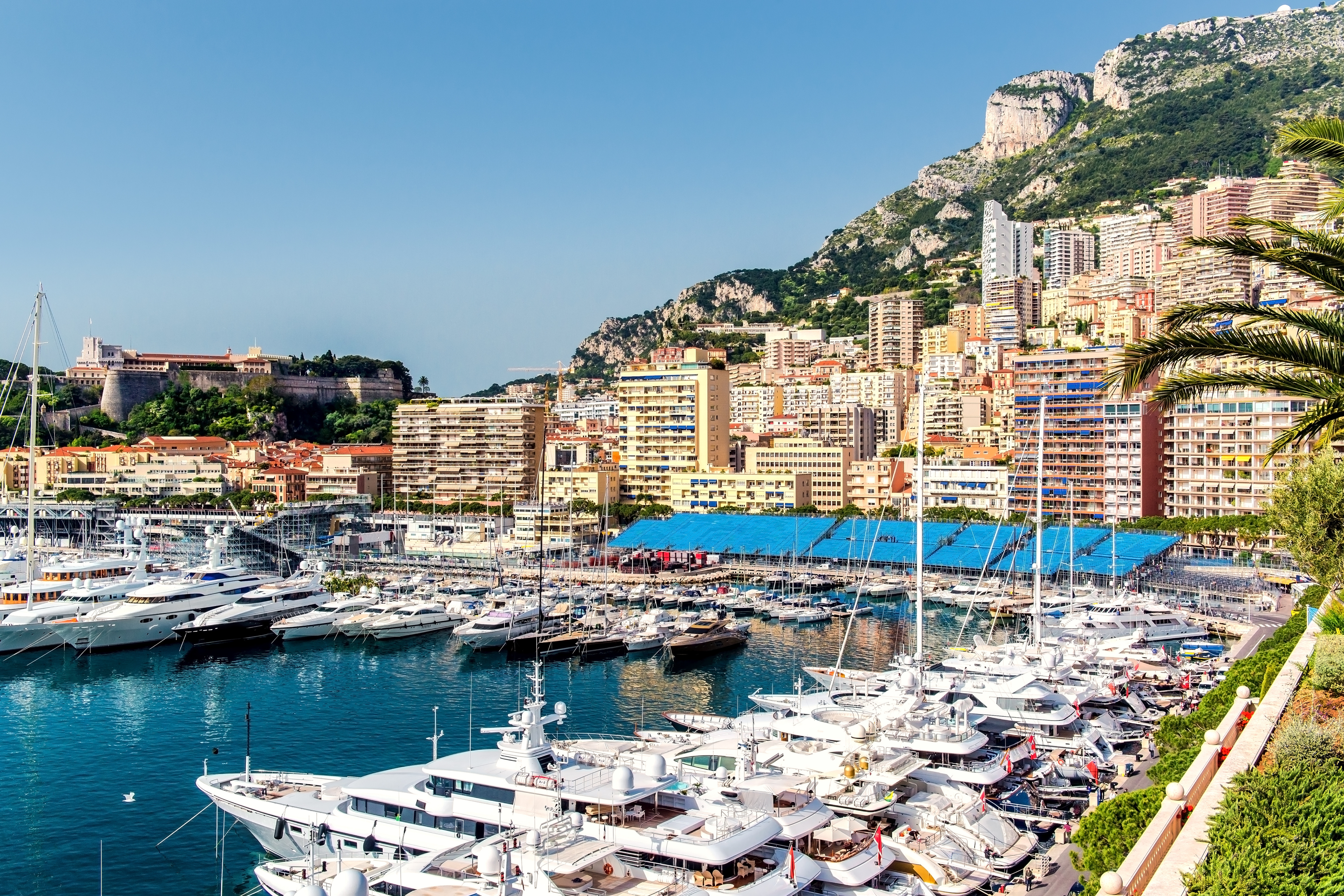
Coastal BeachesMonaco is a tiny sovereign city-state located on the French Riviera between France and Italy, covering just 2.02 square kilometers, making it the second-smallest country in the world. Despite its diminutive size, Monaco is one of the most densely populated places on Earth and serves as a global hub for wealth, luxury, and glamour. The principality is known for its prestigious yacht-lined harbor, world-class casino, and the famous Monaco Grand Prix motor race. The economy is heavily based on tourism, gambling, real estate, and financial services, attracting affluent individuals from around the world. Monaco offers a sophisticated lifestyle with excellent infrastructure, French-influenced culture, and a cosmopolitan atmosphere. The principality has no income tax for residents, which contributes to its appeal as a destination for high-net-worth individuals.
 SJB Global
Connect
SJB-Global is a top-rated financial advisory firm specializing in expat financial advice worldwide, offering retirement planning & tax-efficient solutions with a regressive fee model. Our clients benefit from their country’s most favorable tax environment by utilizing the efficient investment vehicles we offer. Our commitment to quality service is reflected in our stellar reviews, with over 300 testimonials boasting 95% five-star ratings.
Click connect to have our partner contact you via e-mail and/or phone.
SJB GlobalSJB-Global is a top-rated financial advisory firm specializing in expat financial advice worldwide, offering retirement planning & tax-efficient solutions with a regressive fee model. Our clients benefit from their country’s most favorable tax environment by utilizing the efficient investment vehicles we offer. Our commitment to quality service is reflected in our stellar reviews, with over 300 testimonials boasting 95% five-star ratings.
Connect
Click connect to have our partner contact you via e-mail and/or phone.
Podcasts
Episode 6: Jake Barber - Expat Finance Expert and Lifelong Expat



Episode 8: Jake Barber - The Expat Finance Expert Returns
Living in Monaco
Best Places to Live in Monaco
Visa & Residency
Obtaining a residency in Monaco, known as a Residence Permit, involves several steps and can be considered an average challenge due to the principality's strict requirements and the need for proof of sufficient financial resources. The process begins with finding a place to live in Monaco, as an address in the principality is required to apply for residency. Once accommodation is secured, the applicant must open a bank account in Monaco and deposit a minimum amount, which varies depending on the bank but is generally quite substantial, to demonstrate financial self-sufficiency. The next step is to gather the necessary documents, which typically include a valid passport, birth certificate, marriage or divorce certificates if applicable, a clean criminal record from the last two countries of residence over the past five years, and a health insurance policy that covers Monaco. After compiling the documents, the applicant must submit them to the Monaco authorities, specifically the Residents Section of the Directorate of Public Security. The application is then reviewed, which can take several months. If approved, the applicant will be issued a temporary residency card, known as a "carte de séjour temporaire," which is valid for one year and can be renewed annually. After residing in Monaco for three years, the individual can apply for an "ordinary residence card," which is renewable every three years. After ten years of continuous residence, one may apply for a "privileged residence card," which is renewable every ten years. It's important to note that the process and requirements can be stringent, and the authorities are thorough in their review of applicants' backgrounds and financial resources. Additionally, the cost of living in Monaco is very high, which can be a barrier for some potential residents. However, for those who can afford it and who provide all the required documentation, the process is relatively straightforward.
Healthcare in Monaco
Monaco boasts a high-quality system that is accessible to all residents, including expats and digital nomads, once they obtain residency and contribute to the social security system. The state-funded public healthcare is operated by the Caisse de Compensation des Services Sociaux (CCSS) and provides comprehensive coverage. Private healthcare is also available and is known for its excellent service and shorter waiting times. The quality of both public and private healthcare in Monaco is generally considered to be excellent, with well-trained medical staff and modern facilities. Healthcare costs can be high, especially for private services, but are manageable for residents through the public system or private insurance. Expats and digital nomads can access public healthcare by registering with the CCSS and paying into the social security system, which is typically done through employment in Monaco.
Cost of Living
Monaco has among the highest costs of living in the world, with property prices and rental rates that are extraordinarily expensive. Residential real estate typically costs €30,000-€50,000+ per square meter, with luxury apartments and villas commanding premium prices. Monthly rent for a modest one-bedroom apartment in the city center can exceed €2,000-€3,000, while daily expenses for food, dining, and services are significantly above European averages.
Weather
Monaco experiences a Mediterranean climate with mild, wet winters and warm, dry summers. Winter temperatures typically range from 8-13°C (46-55°F), while summer temperatures average 22-27°C (72-81°F). Rainfall is concentrated mainly in autumn and winter months, with summer being predominantly dry and sunny. The Mistral wind occasionally brings cooler, drier conditions from the north.
Educational System in Monaco
The educational system in Monaco is known for its high quality and is structured similarly to the French system, reflecting the principality's close ties with France. Education in Monaco is mandatory for children from the ages of 6 to 16. The school year typically starts in early September and ends in early July, with the calendar divided into three terms. The system is divided into kindergarten (maternelle), primary education (école élémentaire), lower secondary education (collège), and upper secondary education (lycée). Children start their schooling in maternelle at the age of 3, where they are introduced to the basics of reading, writing, and numeracy, as well as social skills. At the age of 6, they progress to école élémentaire for five years, followed by four years at collège, where they receive a more comprehensive education, including foreign languages, science, and technology. At the end of collège, students take the Diplôme National du Brevet examination. Those who wish to pursue higher education attend lycée for three years, where they prepare for the baccalauréat exam, which is necessary for university admission. Monaco has a mix of public and private schools, with curricula in multiple languages to cater to its international community. The International School of Monaco, for example, offers an English-language education that follows the International Baccalaureate (IB) program. Overall, the education system in Monaco is geared towards providing students with a comprehensive and multilingual education, preparing them for higher education and global opportunities.
Moving to Monaco