
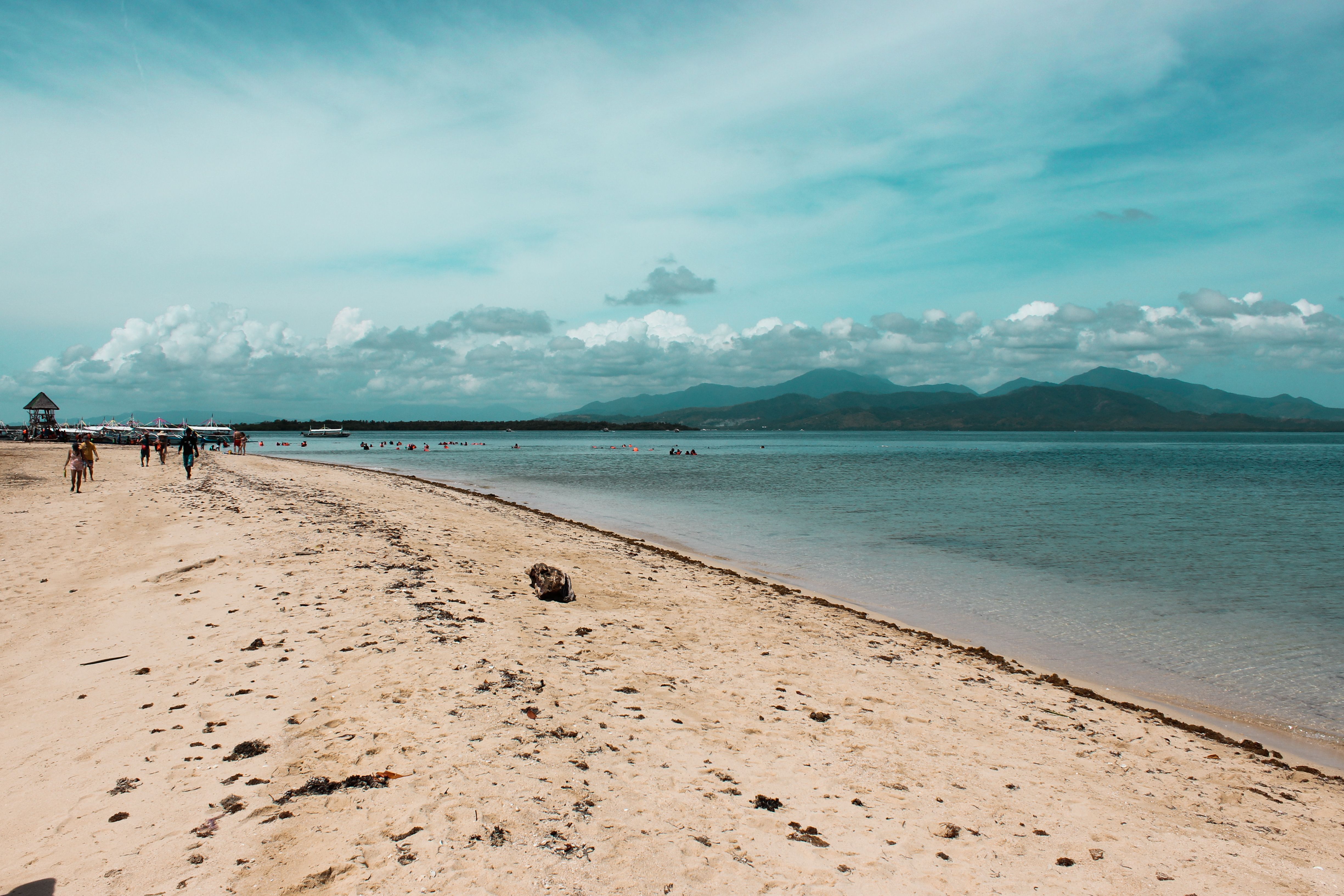

Puerto Princesa City, Philippines

Philippines > Puerto Princesa City

Puerto Princesa City

Country   Coastal   Beaches   Riverfront  

Puerto Princesa City serves as the capital of Palawan province and draws expats, digital nomads, and adventure seekers drawn to its proximity to some of the Philippines' most dramatic natural attractions. The city itself functions as a gateway rather than a destination—most residents are here for work in government, tourism, or remote employment, using it as a base to explore the surrounding region. The Underground River, a UNESCO World Heritage Site located about an hour south, dominates the local economy and tourism narrative. The city center has a working-port feel with a mix of colonial-era buildings, modest commercial strips, and waterfront areas undergoing gradual development. Mangrove forests ring much of the coastline, and the Palawan landscape—limestone cliffs, dense jungle, and clear waters—shapes daily life and outdoor culture. Infrastructure has improved significantly in recent years with better roads and more reliable electricity, though services remain less developed than Manila. The pace is slower than major Philippine cities, which appeals to those seeking escape but can frustrate those needing urban conveniences.

SJB GlobalSJB Global
Connect

SJB-Global is a top-rated financial advisory firm specializing in expat financial advice worldwide, offering retirement planning & tax-efficient solutions with a regressive fee model. Our clients benefit from their country’s most favorable tax environment by utilizing the efficient investment vehicles we offer. Our commitment to quality service is reflected in our stellar reviews, with over 300 testimonials boasting 95% five-star ratings.

Click connect to have our partner contact you via e-mail and/or phone.

SJB GlobalSJB Global

SJB-Global is a top-rated financial advisory firm specializing in expat financial advice worldwide, offering retirement planning & tax-efficient solutions with a regressive fee model. Our clients benefit from their country’s most favorable tax environment by utilizing the efficient investment vehicles we offer. Our commitment to quality service is reflected in our stellar reviews, with over 300 testimonials boasting 95% five-star ratings.
Connect

Click connect to have our partner contact you via e-mail and/or phone.

Visa & Residency

The process of obtaining a residency in the Philippines varies depending on the type of visa applied for. The Special Resident Retiree's Visa (SRRV) is a popular option for expatriates and retirees. To qualify for the SRRV, applicants must meet certain age and deposit requirements, which vary depending on the chosen SRRV option. For instance, the SRRV Smile requires a deposit of $20,000 in a Philippine bank for applicants 35 years old and above. The SRRV Classic, on the other hand, requires a deposit of $10,000 for those 50 years old and above with a pension, or $20,000 without a pension. This visa grants indefinite stay with multiple-entry privileges as long as the deposit is maintained. Another common visa for expatriates working in the Philippines is the 9(g) Pre-arranged Employment Visa, which is tied to an offer of employment from a Philippine-based company. The process involves securing an Alien Employment Permit, a No Objection Certificate, and other clearances before the visa application can be filed with the Bureau of Immigration. The 9(g) visa is typically valid for one to three years and is extendable as long as the employment persists. The application process for residency visas in the Philippines can be average in terms of difficulty. It involves gathering various documents, such as police clearances, medical certificates, and proof of financial capacity. The applicant must also attend a hearing and interview at the Bureau of Immigration. The processing time can vary, and it is advisable to seek assistance from a legal professional or a visa agent to navigate the complexities of the process. Overall, while there are several steps involved, the Philippines offers a range of visa options to suit different needs, and with proper guidance, obtaining a residency visa can be a manageable task.

Cost of Living

Daily expenses in Puerto Princesa are substantially lower than in Manila or international beach destinations. Rent for a modest apartment runs well under $400 monthly; local food, transportation, and utilities cost a fraction of Western prices. The trade-off is that imported goods, dining at tourist-oriented restaurants, and some services carry markups. Expats and remote workers with stable income find the city highly affordable.

Weather

Puerto Princesa has a tropical climate with a wet season from June to November and a dry season from December to May; temperatures remain warm year-round, typically between 24–32°C (75–90°F).

Healthcare in Puerto Princesa City

Palawan Provincial Hospital is the primary facility, offering basic emergency and inpatient care but lacking specialized services; serious cases often require transfer to Manila. Private clinics and smaller hospitals exist but operate with limited equipment and staffing. Dental and routine care are accessible, though diagnostic imaging and advanced procedures are unreliable.

Schools in Puerto Princesa City

Several schools operate English-Filipino bilingual programs, though options remain limited compared to Manila. Most bilingual instruction concentrates in private institutions serving expat and affluent local families.

Restaurants in Puerto Princesa City

Copyright 1997-2026 Burlingame Interactive, Inc.

Privacy Policy Legal