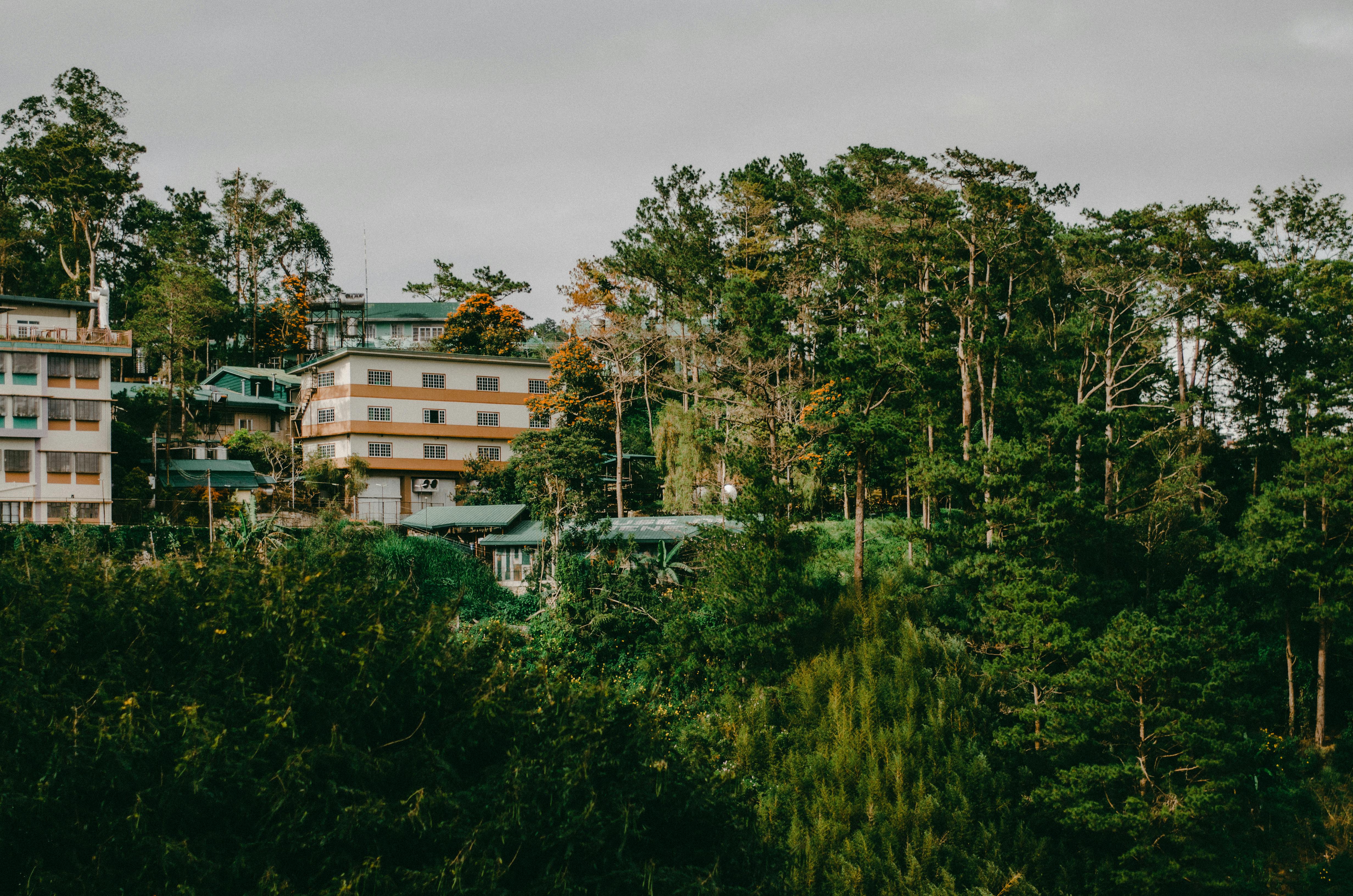
Baguio city
Country RiverfrontBaguio City sits high in the Cordillera mountains of northern Luzon, about 250 kilometers north of Manila. What strikes you first is the cool air—a genuine relief from the tropical heat of the lowlands. The city sprawls across rolling terrain at roughly 1,500 meters elevation, with pine forests, winding roads, and a temperate climate that feels almost subtropical. It's the Philippines' summer capital, a designation that dates back to the American colonial period when officials retreated here to escape Manila's oppressive heat. The downtown area centers on Session Road, a busy commercial strip lined with shops, restaurants, and hotels. Burnham Park, named after the American urban planner Daniel Burnham, anchors the city with its lake, gardens, and walking paths. The Baguio Cathedral dominates the skyline with its distinctive architecture. Beyond the commercial core, residential neighborhoods climb the hillsides, many with views across the mountains. The city draws both Filipino tourists seeking cooler weather and expats attracted to the climate and relatively developed infrastructure. Markets like the Baguio Public Market pulse with activity, selling fresh produce, flowers, and local goods. The surrounding region produces much of the Philippines' vegetables and flowers, giving the area an agricultural character despite urban development. Roads can be steep and winding; traffic congestion is common during peak seasons and weekends when lowlanders escape the heat.
 PassportCard Expat Health Insurance
Get Quote
Never worry about paying your medical bills out of pocket again. The innovative PassportCard allows for a stress-free experience for all expat families, remote travelers, and workers. With a 24/7 customer service and an outstanding customer base of over 2 Million clients, it will feel like medical care at home. Get up to 10% off on your policy now.
PassportCard Expat Health InsuranceNever worry about paying your medical bills out of pocket again. The innovative PassportCard allows for a stress-free experience for all expat families, remote travelers, and workers. With a 24/7 customer service and an outstanding customer base of over 2 Million clients, it will feel like medical care at home. Get up to 10% off on your policy now.
Get Quote
Visa & Residency
The process of obtaining a residency in the Philippines varies depending on the type of visa applied for. The Special Resident Retiree's Visa (SRRV) is a popular option for expatriates and retirees. To qualify for the SRRV, applicants must meet certain age and deposit requirements, which vary depending on the chosen SRRV option. For instance, the SRRV Smile requires a deposit of $20,000 in a Philippine bank for applicants 35 years old and above. The SRRV Classic, on the other hand, requires a deposit of $10,000 for those 50 years old and above with a pension, or $20,000 without a pension. This visa grants indefinite stay with multiple-entry privileges as long as the deposit is maintained. Another common visa for expatriates working in the Philippines is the 9(g) Pre-arranged Employment Visa, which is tied to an offer of employment from a Philippine-based company. The process involves securing an Alien Employment Permit, a No Objection Certificate, and other clearances before the visa application can be filed with the Bureau of Immigration. The 9(g) visa is typically valid for one to three years and is extendable as long as the employment persists. The application process for residency visas in the Philippines can be average in terms of difficulty. It involves gathering various documents, such as police clearances, medical certificates, and proof of financial capacity. The applicant must also attend a hearing and interview at the Bureau of Immigration. The processing time can vary, and it is advisable to seek assistance from a legal professional or a visa agent to navigate the complexities of the process. Overall, while there are several steps involved, the Philippines offers a range of visa options to suit different needs, and with proper guidance, obtaining a residency visa can be a manageable task.
Cost of Living
Living costs in Baguio are moderate compared to Manila and other major Philippine cities, though prices have climbed in recent years. Rent for a decent apartment in central areas runs higher than in provincial towns but remains affordable by international standards. Local produce and market goods are inexpensive, though imported goods and dining at tourist-oriented restaurants carry a premium. Utilities and transportation are reasonably priced.
Weather
Baguio has a cool, temperate climate year-round due to its high elevation, with temperatures typically ranging from 15–23°C. The dry season runs from November to April, while the wet season brings frequent rain from May to October.
Healthcare in Baguio city
Baguio has several accredited hospitals including Baguio General Hospital and Medical Center and private facilities like Pines City Specialist Hospital, offering basic to intermediate care. For complex procedures or specialized treatment, many residents travel to Manila. Emergency response times can be affected by the city's mountainous terrain and traffic conditions.
Schools in Baguio city
Baguio City hosts several international schools including Baguio City International School (BCIS) and Saint Louis University, which offer curricula aligned with international standards. These institutions serve expat families and Filipino students seeking English-medium education with global recognition.
Multiple bilingual schools operate in Baguio, combining Filipino and English instruction across primary and secondary levels. Schools like Pines City Schools and various Catholic institutions integrate both languages throughout their academic programs.
Restaurants in Baguio city
Living in Baguio city
Moving to Baguio city
Healthcare in Baguio city