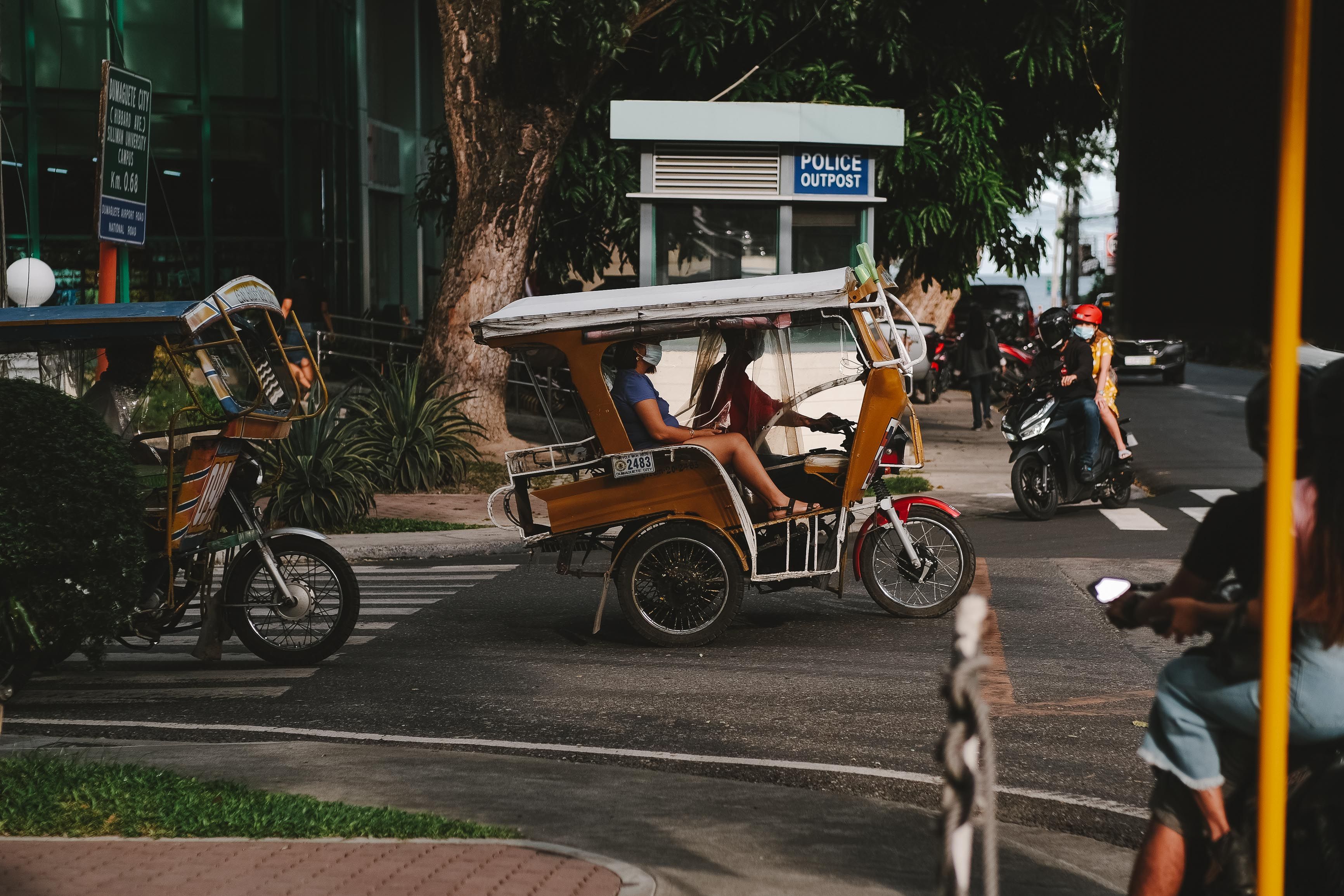


Dumaguete City
Country Coastal BeachesDumaguete City, capital of Negros Oriental province, sits on the eastern coast of Negros Island and has earned a reputation as the intellectual heart of the Visayas region. Home to Silliman University, one of the Philippines' oldest and most respected institutions, the city blends academic culture with a relaxed tropical atmosphere that draws expats, digital nomads, and retirees seeking affordable island living. The waterfront boulevard offers views across the Bohol Strait toward Bohol Island, while the compact downtown remains walkable and human-scaled despite steady growth. Local life centers on the public market, seafood restaurants along the pier, and a thriving community of international residents who've integrated into the fabric of daily life. The city serves as a gateway to nearby diving spots, island-hopping destinations, and the natural attractions of central Visayas, yet maintains a small-town feel where locals and visitors genuinely interact.
 BlueCross BlueShield Global Solutions
Get Quote
BlueCross BlueShield Global Solutions (BCBS) offers global health plans for international assignments or trips lasting 6 months or longer. With access to over 1.7M medical providers in 190 countries around the world, BCBS provides members with solutions and industry-leading digital services - ensuring top-quality coverage to people who live, work, study and travel internationally.
BlueCross BlueShield Global SolutionsBlueCross BlueShield Global Solutions (BCBS) offers global health plans for international assignments or trips lasting 6 months or longer. With access to over 1.7M medical providers in 190 countries around the world, BCBS provides members with solutions and industry-leading digital services - ensuring top-quality coverage to people who live, work, study and travel internationally.
Get Quote
Visa & Residency
The process of obtaining a residency in the Philippines varies depending on the type of visa applied for. The Special Resident Retiree's Visa (SRRV) is a popular option for expatriates and retirees. To qualify for the SRRV, applicants must meet certain age and deposit requirements, which vary depending on the chosen SRRV option. For instance, the SRRV Smile requires a deposit of $20,000 in a Philippine bank for applicants 35 years old and above. The SRRV Classic, on the other hand, requires a deposit of $10,000 for those 50 years old and above with a pension, or $20,000 without a pension. This visa grants indefinite stay with multiple-entry privileges as long as the deposit is maintained. Another common visa for expatriates working in the Philippines is the 9(g) Pre-arranged Employment Visa, which is tied to an offer of employment from a Philippine-based company. The process involves securing an Alien Employment Permit, a No Objection Certificate, and other clearances before the visa application can be filed with the Bureau of Immigration. The 9(g) visa is typically valid for one to three years and is extendable as long as the employment persists. The application process for residency visas in the Philippines can be average in terms of difficulty. It involves gathering various documents, such as police clearances, medical certificates, and proof of financial capacity. The applicant must also attend a hearing and interview at the Bureau of Immigration. The processing time can vary, and it is advisable to seek assistance from a legal professional or a visa agent to navigate the complexities of the process. Overall, while there are several steps involved, the Philippines offers a range of visa options to suit different needs, and with proper guidance, obtaining a residency visa can be a manageable task.
Cost of Living
Daily expenses stretch far in Dumaguete—a meal at a local eatery costs a few dollars, rent for a modest apartment runs well under $300 monthly, and utilities remain minimal. The city's appeal to retirees and remote workers stems largely from this affordability; a comfortable lifestyle with hired help, regular dining out, and leisure activities remains accessible on modest budgets that would barely cover basics elsewhere.
Weather
Dumaguete experiences a tropical climate with warm temperatures year-round, a dry season from November to April, and a wet season from May to October with occasional typhoons.
Healthcare in Dumaguete City
Silliman University Medical Center and Dumaguete Medical Center handle most acute care, with decent equipment and English-speaking staff, though neither matches Metro Manila standards. Serious trauma or specialized procedures often require transfer to Cebu City hospitals 2 hours away. Dental and outpatient clinics are plentiful and affordable.
Schools in Dumaguete City
Dumaguete City hosts several international schools including Negros Oriental High School and other institutions offering IB or American curriculum options. These schools typically serve expat families and Filipino students seeking English-medium education with international standards.
Multiple bilingual schools operate in Dumaguete City, offering instruction in both English and Filipino, with some incorporating Spanish or other languages. These institutions serve the local population seeking enhanced English proficiency alongside Filipino language instruction.
Restaurants in Dumaguete City
Living in Dumaguete City
Moving to Dumaguete City
Healthcare in Dumaguete City