Tagaytay City
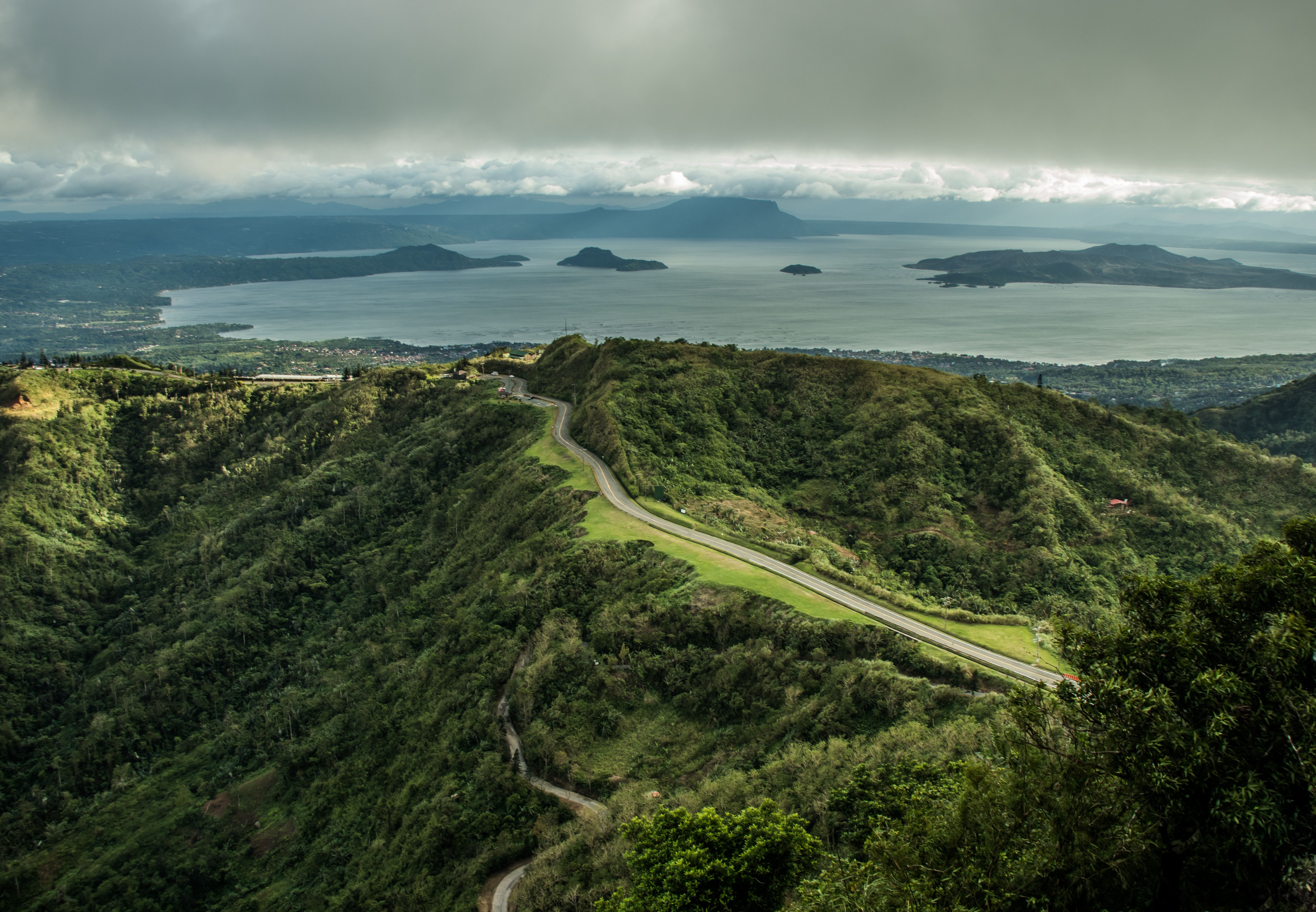
CountryTagaytay City sits high in the mountains of Cavite province, about 600 meters above sea level, making it fundamentally different from the lowland towns and cities that surround Metro Manila. While many visitors confuse it with beach destinations or think of it as just another provincial town, Tagaytay's real identity is as a cool-climate highland retreat—a place where the air temperature drops noticeably and morning mist rolls through residential areas. The city is famous for its views of Taal Volcano and Taal Lake, which dominate the landscape and draw photographers and nature enthusiasts year-round. Agriculture thrives here because of the cooler weather; pineapple farms, flower gardens, and vegetable plantations blanket the surrounding areas. The city has developed as a weekend escape for Manila residents seeking relief from heat and traffic, with restaurants, cafes, and small hotels clustered along the ridge. The local economy centers on tourism, agriculture, and increasingly on residential development as people seek permanent homes in the cooler climate. Tagaytay's elevation and views create a distinct sense of place—you feel removed from the tropical lowlands even though you're still within Calabarzon region.
 BlueCross BlueShield Global Solutions
Get Quote
BlueCross BlueShield Global Solutions (BCBS) offers global health plans for international assignments or trips lasting 6 months or longer. With access to over 1.7M medical providers in 190 countries around the world, BCBS provides members with solutions and industry-leading digital services - ensuring top-quality coverage to people who live, work, study and travel internationally.
BlueCross BlueShield Global SolutionsBlueCross BlueShield Global Solutions (BCBS) offers global health plans for international assignments or trips lasting 6 months or longer. With access to over 1.7M medical providers in 190 countries around the world, BCBS provides members with solutions and industry-leading digital services - ensuring top-quality coverage to people who live, work, study and travel internationally.
Get Quote
Visa & Residency
The process of obtaining a residency in the Philippines varies depending on the type of visa applied for. The Special Resident Retiree's Visa (SRRV) is a popular option for expatriates and retirees. To qualify for the SRRV, applicants must meet certain age and deposit requirements, which vary depending on the chosen SRRV option. For instance, the SRRV Smile requires a deposit of $20,000 in a Philippine bank for applicants 35 years old and above. The SRRV Classic, on the other hand, requires a deposit of $10,000 for those 50 years old and above with a pension, or $20,000 without a pension. This visa grants indefinite stay with multiple-entry privileges as long as the deposit is maintained. Another common visa for expatriates working in the Philippines is the 9(g) Pre-arranged Employment Visa, which is tied to an offer of employment from a Philippine-based company. The process involves securing an Alien Employment Permit, a No Objection Certificate, and other clearances before the visa application can be filed with the Bureau of Immigration. The 9(g) visa is typically valid for one to three years and is extendable as long as the employment persists. The application process for residency visas in the Philippines can be average in terms of difficulty. It involves gathering various documents, such as police clearances, medical certificates, and proof of financial capacity. The applicant must also attend a hearing and interview at the Bureau of Immigration. The processing time can vary, and it is advisable to seek assistance from a legal professional or a visa agent to navigate the complexities of the process. Overall, while there are several steps involved, the Philippines offers a range of visa options to suit different needs, and with proper guidance, obtaining a residency visa can be a manageable task.
Cost of Living
Living costs in Tagaytay are moderate compared to Metro Manila but have been climbing as the city attracts more residents and tourists. Property prices and rental rates have increased noticeably over the past decade, though they remain lower than in central Manila. Food and basic goods are reasonably priced, especially if you shop at local markets, though imported items and restaurant dining can be pricier than in nearby provincial towns.
Weather
Tagaytay has a cooler climate year-round due to its high elevation, with temperatures typically 5-10°C lower than nearby lowland areas. The dry season runs from November to April, while the wet season brings frequent rain from May to October.
Healthcare in Tagaytay City
Tagaytay Medical Center and Ospital ng Tagaytay serve as the main facilities, both equipped for routine care and minor emergencies. Serious trauma or specialized procedures typically require transfer to Metro Manila hospitals (45–60 minutes away), which can be critical during peak traffic. Clinics and pharmacies are distributed throughout the city, but diagnostic imaging and advanced services remain limited.
Schools in Tagaytay City
Tagaytay has a limited but functional international school presence. Inya ng Laya Learning Center and similar institutions offer IB-aligned curricula, though options are fewer than in Metro Manila. Most serve expat families and affluent locals seeking English-medium education.
Several schools operate bilingual (English-Filipino) programs, including both private and public institutions. These are more accessible than full international schools but vary significantly in English instruction quality and resources.
Restaurants in Tagaytay City
Living in Tagaytay City
Moving to Tagaytay City
Healthcare in Tagaytay City