Romania
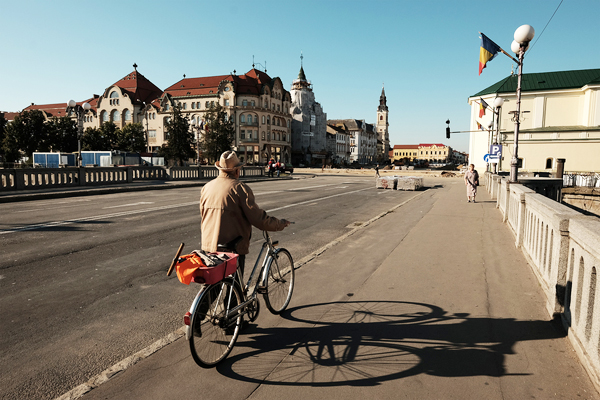
Coastal BeachesRomania is a country located in southeastern Europe, bordered by Hungary, Serbia, Bulgaria, Moldova, and Ukraine, with the Carpathian Mountains running through its center. The nation has a rich cultural heritage blending Eastern European, Ottoman, and Austro-Hungarian influences, evident in its architecture, cuisine, and traditions. Romania's economy is growing and increasingly integrated with the EU, with sectors including IT, manufacturing, and agriculture driving development. The country offers a mix of medieval towns, vibrant cities like Bucharest, and pristine natural landscapes that attract both tourists and relocators. Life in Romania is generally affordable compared to Western Europe, with a welcoming atmosphere in urban centers and a slower pace in rural areas. The population is known for hospitality, and there is a growing expatriate community, particularly in major cities.
 BlueCross BlueShield Global Solutions
Get Quote
BlueCross BlueShield Global Solutions (BCBS) offers global health plans for international assignments or trips lasting 6 months or longer. With access to over 1.7M medical providers in 190 countries around the world, BCBS provides members with solutions and industry-leading digital services - ensuring top-quality coverage to people who live, work, study and travel internationally.
BlueCross BlueShield Global SolutionsBlueCross BlueShield Global Solutions (BCBS) offers global health plans for international assignments or trips lasting 6 months or longer. With access to over 1.7M medical providers in 190 countries around the world, BCBS provides members with solutions and industry-leading digital services - ensuring top-quality coverage to people who live, work, study and travel internationally.
Get Quote
Podcasts

Episode 8: Jake Barber - The Expat Finance Expert Returns



Episode 6: Jake Barber - Expat Finance Expert and Lifelong Expat
Living in Romania
Best Places to Live in Romania
Visa & Residency
Obtaining a residency in Romania involves several steps and the difficulty can vary depending on the type of visa and the applicant's circumstances. The process generally starts with the applicant determining the appropriate visa category. The Employment Visa (D/AM) is for those who have a job offer from a Romanian employer. The Family Reunification Visa (D/VF) is for family members of Romanian citizens or residents. The Business Visa (D/AE) is for entrepreneurs and business owners who want to conduct economic activities in Romania. Applicants must gather the required documents, which typically include a valid passport, application forms, passport-sized photos, proof of accommodation, health insurance, and a criminal record certificate. For the Employment Visa, an employment contract and a work permit are also required. For the Business Visa, proof of the business activity, such as company registration documents, is necessary. Once the documents are collected, the applicant must submit them to the nearest Romanian embassy or consulate. The processing time can vary, but it usually takes around 45 days for the visa to be issued. After arriving in Romania, expats must apply for a residence permit, which involves a separate application process with the Romanian Office. The difficulty of the process can be considered average, as it involves bureaucracy and the need to provide various documents. However, it is generally straightforward if all the requirements are met and the necessary paperwork is in order. It is advisable for expats to start the visa application process well in advance of their intended move date and to consult with the Romanian embassy or immigration experts if they have any questions or concerns.
Healthcare in Romania
Romania's healthcare system is a mix of public and private services. The public healthcare system is funded by the National health insurance House and provides a range of services to citizens and residents, including emergency services, hospitalization, surgeries, and preventive care. However, the quality of public healthcare can vary significantly, with urban areas typically having better facilities and more resources than rural areas. Private healthcare in Romania is known for its higher quality of service and shorter waiting times, but it comes at a higher cost. Expats and digital nomads can access public healthcare by registering with the National Health Insurance House and paying the required contributions, which is mandatory for those who are employed in Romania. For those who are not employed, voluntary contributions can be made to gain access to the public healthcare system.
Cost of Living
Romania offers one of the most affordable costs of living in the EU. Rental prices vary significantly by location: in Bucharest, a one-bedroom apartment in the city center costs approximately €400-600 per month, while outside the center it drops to €250-400. Property purchase prices range from €1,500-3,500 per square meter in major cities and €500-1,500 in rural areas. Daily expenses including groceries, dining, and utilities are considerably lower than in Western Europe, making Romania an attractive destination for budget-conscious relocators.
Weather
Romania experiences a continental climate with distinct seasonal variations. Winters are cold and snowy, particularly in the Carpathian regions, with temperatures often dropping below freezing from December to February. Summers are warm and pleasant, typically ranging from 20-28°C (68-82°F), with moderate rainfall distributed throughout the year. Spring and autumn are mild transitional seasons with variable weather.
Educational System in Romania
The educational system in Romania is structured into several stages: preschool, primary, secondary, and higher education. Preschool education is optional and caters to children aged 3 to 6 years. Primary education starts at the age of 6 or 7 and lasts for four years, referred to as grades 1-4. Following primary education, students enter lower secondary education, which consists of grades 5-8 and is compulsory. After completing the 8th grade, students take a national examination called Evaluarea Națională, which determines their eligibility for upper secondary education. Upper secondary education, or high school, spans grades 9-12 or 9-13, depending on the type of program. Students can choose between theoretical programs, vocational education, or technological education. At the end of high school, students take the Baccalaureate exam, which is crucial for university admission. The Romanian educational system is known for its strong emphasis on theoretical knowledge, particularly in subjects like mathematics and sciences. However, the quality of education can vary significantly between urban and rural areas. Schools in Romania typically start in mid-September and end in early June, with the school year divided into two semesters. The language of instruction is primarily Romanian, but there are schools offering programs in minority languages and that teach in English or other foreign languages.
Living in Romania
Healthcare in Romania
Moving to Romania