Saudi Arabia
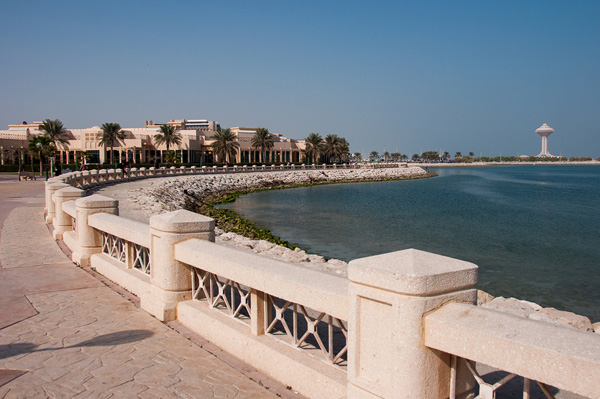
Coastal BeachesSaudi Arabia is the largest country in the Arabian Peninsula, located in Western Asia with coastlines along the Persian Gulf and Red Sea. The nation is characterized by vast desert landscapes, particularly the Rub' al Khali (Empty Quarter), and serves as the birthplace of Islam with significant religious and cultural importance. The economy is heavily dependent on oil and natural gas reserves, making it one of the world's wealthiest nations by GDP. Modern cities like Riyadh and Jeddah offer contemporary infrastructure and amenities, though traditional Islamic culture remains central to daily life. The country has undergone significant modernization in recent years with Vision 2030 reforms promoting economic diversification and social development. Life in Saudi Arabia involves adherence to Islamic law and customs, with strict dress codes and social norms that differ significantly from Western countries.
 SJB Global
Connect
SJB-Global is a top-rated financial advisory firm specializing in expat financial advice worldwide, offering retirement planning & tax-efficient solutions with a regressive fee model. Our clients benefit from their country’s most favorable tax environment by utilizing the efficient investment vehicles we offer. Our commitment to quality service is reflected in our stellar reviews, with over 300 testimonials boasting 95% five-star ratings.
Click connect to have our partner contact you via e-mail and/or phone.
SJB GlobalSJB-Global is a top-rated financial advisory firm specializing in expat financial advice worldwide, offering retirement planning & tax-efficient solutions with a regressive fee model. Our clients benefit from their country’s most favorable tax environment by utilizing the efficient investment vehicles we offer. Our commitment to quality service is reflected in our stellar reviews, with over 300 testimonials boasting 95% five-star ratings.
Connect
Click connect to have our partner contact you via e-mail and/or phone.
Podcasts

Episode 8: Jake Barber - The Expat Finance Expert Returns



Episode 6: Jake Barber - Expat Finance Expert and Lifelong Expat
Living in Saudi Arabia
Best Places to Live in Saudi Arabia
Visa & Residency
Obtaining a residency in Saudi Arabia involves several steps and can be a complex process, depending on the type of visa and the applicant's circumstances. The most common residency visa for expats is the Saudi Arabia Work Visa, which requires a job offer from a Saudi employer. The employer acts as a sponsor and will typically handle much of the visa application process on behalf of the employee. To apply for a work visa, the expat must first obtain a visa invitation from the Ministry of Foreign Affairs in Saudi Arabia, facilitated by the employer. The expat then submits a visa application to the nearest Saudi embassy or consulate, along with the required documents, which usually include a passport valid for at least six months, passport-sized photos, a completed application form, a medical report, a police clearance certificate, and educational and professional certificates. Once in Saudi Arabia, expats must convert their work visa into an Iqama, or residency permit, within 90 days. The Iqama is a crucial document that allows expats to live and work in Saudi Arabia, open a bank account, and access other services. It must be renewed annually and is tied to the expat's employment. The employer remains the sponsor throughout the expat's stay in the country, and the expat's ability to change jobs or leave the country is subject to the sponsor's approval. For digital nomads, Saudi Arabia does not offer a specific visa category. However, they may enter the country on a tourist visa, which allows for a stay of up to 90 days, or a business visit visa if they have business-related matters to attend to. It is important to note that working on a tourist visa is not officially permitted, and digital nomads should be cautious and seek legal advice if considering this option. Overall, while the process can be straightforward with the help of a sponsoring employer, it can be quite challenging without sponsorship or for those unfamiliar with the local laws and regulations. The need for a sponsor and the various bureaucratic steps make the process somewhat difficult for those not used to the Saudi system.
Healthcare in Saudi Arabia
The system in Saudi Arabia is a mix of public and private services. The government provides free or low-cost healthcare to Saudi citizens and, to a lesser extent, to residents through a network of medical facilities. The Ministry of Health is the major government provider of healthcare services, and there is a significant push towards privatization and public-private partnerships. The quality of healthcare in Saudi Arabia is generally considered high, especially in major urban areas where there are well-equipped hospitals and clinics. Private healthcare is also available and offers high-quality services, often preferred by expatriates and those who can afford it due to shorter waiting times and more luxurious facilities. The cost of private healthcare can be high, but many employers provide health insurance to their employees. Expatriates and digital nomads can access public healthcare if they have a residence permit (Iqama) and health insurance, which is mandatory for all residents. However, most expatriates and digital nomads opt for private healthcare services.
Cost of Living
The cost of living in Saudi Arabia varies significantly between expatriates and locals, with housing being a major expense. Rental prices in major cities like Riyadh and Jeddah range from $800-2,500 USD monthly for apartments, depending on location and quality. While some goods and services are subsidized for citizens, expatriates typically face higher costs for accommodation, though groceries and dining can be relatively affordable compared to Western countries.
Weather
Saudi Arabia experiences an extremely hot desert climate with scorching summers where temperatures regularly exceed 45°C (113°F), particularly from June to August. Winters are mild to warm, with temperatures ranging from 15-25°C (59-77°F) between December and February. Rainfall is minimal throughout the year, with most precipitation occurring in winter months, and some regions receive virtually no rain annually. Dust storms and sandstorms are common, particularly in spring and early summer.
Educational System in Saudi Arabia
The educational system in Saudi Arabia is overseen by the Ministry of Education and is structured to provide free education to all Saudi citizens from primary to higher education. The system is divided into three stages: primary education, intermediate education, and secondary education. Primary education begins at age six and lasts for six years, followed by three years of intermediate education. Secondary education also lasts for three years, and students can choose between a general or specialized track, the latter focusing on scientific or literary streams. The academic year typically runs from September to June. Saudi Arabia has made significant investments in education, with a strong emphasis on Islamic studies, but also includes science, mathematics, and English language in the curriculum. The quality of education has been improving with the government's Vision 2030 reform plan, which aims to enhance educational outcomes and skills development to meet the demands of the job market. After completing secondary education, students may take the General Secondary Education Certificate examination (Tawjihiyah), which determines their eligibility for higher education.
Living in Saudi Arabia
Healthcare in Saudi Arabia
Best Places to Live in Saudi Arabia
Moving to Saudi Arabia