Driving in Salta

Summary: Driving in a new country can be daunting. These tips offer insight into what to expect when driving in Salta.
1. Understanding the Driving Culture
Driving in Salta, can be a unique experience. The traffic can be chaotic, and the driving style of locals may seem aggressive to foreigners. It's important to be alert and cautious at all times. The roads in Salta are generally in good condition, but some rural areas may have unpaved roads that can be challenging to navigate, especially in rainy weather.
2. Car Recommendation
Given the varying road conditions, a compact SUV or a car with good ground clearance is recommended. This will allow you to navigate both city streets and rural roads with ease. However, if you plan to stay within the city, a smaller car might be more convenient for parking and maneuvering through narrow streets.
3. Parking Situation
Finding parking in Salta can be challenging, especially in the city center during peak hours. However, there are several paid parking lots available. The cost of parking is relatively affordable compared to other major cities in Argentina.
4. Driving with an International License
Foreigners can drive in Argentina with an international driving permit (IDP) along with their valid home country's license. This is usually valid for up to one year. However, if you plan to stay longer, you will need to apply for an Argentine driving license.
5. Getting a Local Driving License
To get a local driving license, you will need to pass a written test, a practical driving test, and a medical examination. The process can be complex and time-consuming, so it's recommended to start the process well in advance. You may also need to provide proof of residency and other documentation.
6. Road Safety
Always wear your seatbelt and ensure all passengers do the same. Avoid driving at night, especially in rural areas, as roads can be poorly lit. Be aware of local traffic laws and speed limits. Remember, the legal blood alcohol limit in Argentina is 0.05%, so it's best to avoid drinking if you plan to drive.
7. Car Insurance
Ensure you have adequate car insurance. This is not only a legal requirement but also a necessity given the potential for accidents. It's also recommended to have coverage for theft, as car theft can be a problem in some areas.

BlueCross BlueShield Global Solutions (BCBS) offers global health plans for international assignments or trips lasting 6 months or longer. With access to over 1.7M medical providers in 190 countries around the world, BCBS provides members with solutions and industry-leading digital services - ensuring top-quality coverage to people who live, work, study and travel internationally.
BlueCross BlueShield Global Solutions (BCBS) offers global health plans for international assignments or trips lasting 6 months or longer. With access to over 1.7M medical providers in 190 countries around the world, BCBS provides members with solutions and industry-leading digital services - ensuring top-quality coverage to people who live, work, study and travel internationally.
About the Author
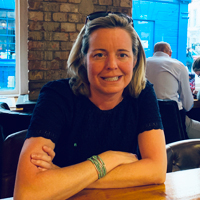 Betsy Burlingame is the Founder and President of Expat Exchange and is one of the Founders of Digital Nomad Exchange. She launched Expat Exchange in 1997 as her Master's thesis project at NYU. Prior to Expat Exchange, Betsy worked at AT&T in International
and Mass Market Marketing. She graduated from Ohio Wesleyan University
with a BA in International Business and German.
Betsy Burlingame is the Founder and President of Expat Exchange and is one of the Founders of Digital Nomad Exchange. She launched Expat Exchange in 1997 as her Master's thesis project at NYU. Prior to Expat Exchange, Betsy worked at AT&T in International
and Mass Market Marketing. She graduated from Ohio Wesleyan University
with a BA in International Business and German.
Some of Betsy's articles include 12 Best Places to Live in Portugal, 7 Best Places to Live in Panama and 12 Things to Know Before Moving to the Dominican Republic. Betsy loves to travel and spend time with her family. Connect with Betsy on LinkedIn.
Additional Information: