Driving in Cusco


Summary: Driving in a new country can be daunting. These tips offer insight into what to expect when driving in Cusco.
1. Understanding the Driving Culture
Driving in Cusco can be a challenging experience for expats. The traffic can be chaotic and the driving style of locals may seem aggressive. It's important to be patient, alert, and defensive while driving. The roads can be narrow and winding, especially in the mountainous areas. Also, be prepared for unexpected road conditions like potholes and landslides, particularly during the rainy season.
2. Choosing the Right Car
Given the terrain and road conditions in Cusco, a 4x4 vehicle is highly recommended. This type of vehicle can handle the city's steep hills and uneven roads, as well as the rural areas' dirt roads. However, keep in mind that smaller cars may be easier to maneuver and park in the city's narrow streets.
3. Parking in Cusco
Finding parking in Cusco can be difficult, especially in the city center. Most streets are narrow and parking spaces are limited. Some hotels and restaurants offer parking, but it's best to check in advance. Parking is not usually expensive, but prices can vary depending on the location. Always park in a secure location and avoid leaving valuables in your car.
4. Driving with an International License
Foreigners can drive in Peru with an international driving permit (IDP) for up to six months. After this period, you will need to obtain a Peruvian driver's license. It's important to always carry your IDP and your home country's driver's license when driving.
5. Obtaining a Peruvian Driver's License
To get a Peruvian driver's license, you will need to pass a written test and a practical driving test. The tests are usually in Spanish, so a good understanding of the language is necessary. You will also need to provide a medical certificate, proof of legal residence in Peru, and your home country's driver's license. It's recommended to contact the local transportation office for the most accurate and up-to-date information.
6. Road Safety
Always wear your seatbelt and ensure all passengers do the same. Avoid driving at night, especially in rural areas, as roads are poorly lit and hazards are harder to see. Be aware of pedestrians, cyclists, and animals on the road. Remember that the speed limit in urban areas is usually 60 km/h, and on highways, it's 100 km/h.

SJB-Global is a top-rated financial advisory firm specializing in expat financial advice worldwide, offering retirement planning & tax-efficient solutions with a regressive fee model. Our clients benefit from their country’s most favorable tax environment by utilizing the efficient investment vehicles we offer. Our commitment to quality service is reflected in our stellar reviews, with over 300 testimonials boasting 95% five-star ratings.
Click connect to have our partner contact you via e-mail and/or phone.
SJB-Global is a top-rated financial advisory firm specializing in expat financial advice worldwide, offering retirement planning & tax-efficient solutions with a regressive fee model. Our clients benefit from their country’s most favorable tax environment by utilizing the efficient investment vehicles we offer. Our commitment to quality service is reflected in our stellar reviews, with over 300 testimonials boasting 95% five-star ratings.
Click connect to have our partner contact you via e-mail and/or phone.
About the Author
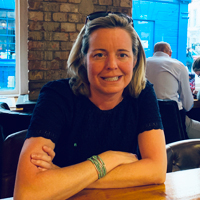 Betsy Burlingame is the Founder and President of Expat Exchange and is one of the Founders of Digital Nomad Exchange. She launched Expat Exchange in 1997 as her Master's thesis project at NYU. Prior to Expat Exchange, Betsy worked at AT&T in International
and Mass Market Marketing. She graduated from Ohio Wesleyan University
with a BA in International Business and German.
Betsy Burlingame is the Founder and President of Expat Exchange and is one of the Founders of Digital Nomad Exchange. She launched Expat Exchange in 1997 as her Master's thesis project at NYU. Prior to Expat Exchange, Betsy worked at AT&T in International
and Mass Market Marketing. She graduated from Ohio Wesleyan University
with a BA in International Business and German.
Some of Betsy's articles include 12 Best Places to Live in Portugal, 7 Best Places to Live in Panama and 12 Things to Know Before Moving to the Dominican Republic. Betsy loves to travel and spend time with her family. Connect with Betsy on LinkedIn.
Additional Information: