Retire in Windhoek Guide


Summary: If Windhoek is on your retirement radar, our detailed Retire in Windhoek Guide is your go-to resource. Delve into the crucial aspects of life here, including living costs, climate, housing options, healthcare services, and residency procedures. We also explore the city's social dynamics, volunteering scenes, transportation, and how walkable its neighborhoods are.
Windhoek, the capital city of Namibia, is a hidden gem for international retirees. Its unique blend of African and European cultures, coupled with a low cost of living and a warm, dry climate, make it an attractive destination for those seeking a relaxed and affordable retirement. However, like any foreign country, it also presents its own set of challenges, from language barriers to navigating the healthcare system. Let's delve into what it's like to retire in Windhoek.
Cost of Living
One of the biggest draws for retirees in Windhoek is the low cost of living. Housing, groceries, and utilities are significantly cheaper than in many Western countries. For example, a three-bedroom apartment in the city center can be rented for as little as $600 per month. Eating out is also affordable, with a meal at a mid-range restaurant costing around $10. However, imported goods can be expensive due to high import taxes.
Climate
Windhoek enjoys a semi-arid climate, with hot summers and mild winters. The city experiences over 300 days of sunshine per year, making it ideal for outdoor activities. However, the dry climate can be a challenge for those with respiratory issues, and the intense sun requires diligent use of sunscreen.
Healthcare
Windhoek is home to several private hospitals that offer high-quality healthcare services. The city's medical facilities are well-equipped, and many doctors and nurses speak English. However, healthcare can be expensive for those without insurance, and some specialized treatments may require travel to South Africa.
Public Healthcare System
While Namibia has a public healthcare system, it is often under-resourced and overcrowded. As a result, many international retirees opt for private health insurance. It's important to note that pre-existing conditions may affect the cost and availability of insurance coverage.
Residency Options for Retirees
Namibia offers a retirement visa for those who can prove a regular income from a pension or investments. This visa is renewable annually and allows retirees to live in the country without the right to work.
Parks and Recreational Activities
Windhoek is surrounded by nature reserves and national parks, offering plenty of opportunities for hiking, wildlife viewing, and photography. The city itself has several parks, including the popular Zoo Park and Avis Dam Nature Reserve.
Restaurants
Windhoek offers a variety of dining options, from traditional African cuisine to German-inspired dishes. Popular spots include Joe's Beerhouse, The Stellenbosch Wine Bar and Bistro, and The Olive Exclusive, all of which offer excellent food at reasonable prices.
Learning the Language
While English is the official language of Namibia, many locals speak Afrikaans or indigenous languages. Language courses are available at the University of Namibia and the Namibian Institute for Cultural Interaction.
Local Culture
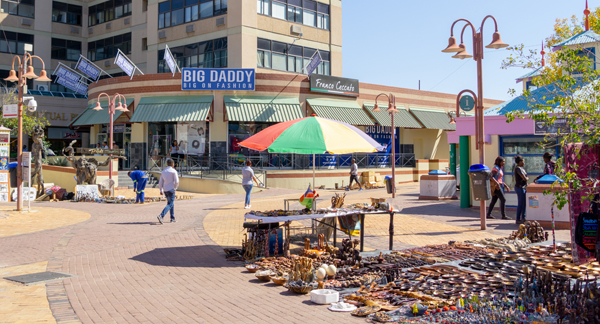
Windhoek residents are known for their friendliness and hospitality. The city has a relaxed pace of life, with a mix of modern amenities and traditional African culture. The local market, known as the Post Street Mall, is a bustling hub of activity where retirees can shop for local crafts, fresh produce, and more.
Meeting People and Volunteering
Meeting new people in Windhoek can be as simple as joining a local club or volunteering. The Windhoek Rotary Club and the Namibia Red Cross Society are popular among retirees. Volunteering at local schools or conservation projects can also be a rewarding way to give back to the community and make new friends.
Housing and Transportation
Most retirees in Windhoek live in apartments or houses in the city center or in gated communities on the outskirts of the city. Public transportation is available, but many retirees find it more convenient to own a car. The city is also quite walkable, especially in the central areas.
About the Author
 Betsy Burlingame is the Founder and President of Expat Exchange and is one of the Founders of Digital Nomad Exchange. She launched Expat Exchange in 1997 as her Master's thesis project at NYU. Prior to Expat Exchange, Betsy worked at AT&T in International
and Mass Market Marketing. She graduated from Ohio Wesleyan University
with a BA in International Business and German.
Betsy Burlingame is the Founder and President of Expat Exchange and is one of the Founders of Digital Nomad Exchange. She launched Expat Exchange in 1997 as her Master's thesis project at NYU. Prior to Expat Exchange, Betsy worked at AT&T in International
and Mass Market Marketing. She graduated from Ohio Wesleyan University
with a BA in International Business and German.
Some of Betsy's articles include 12 Best Places to Live in Portugal, 7 Best Places to Live in Panama and 12 Things to Know Before Moving to the Dominican Republic. Betsy loves to travel and spend time with her family. Connect with Betsy on LinkedIn.
Additional Information:
- Expat Guide to Windhoek
- Best International Schools and Bilingual Schools in Windhoek
- Public Transportation in Windhoek
- Retire in Windhoek Guide
- Pros & Cons of Living in Windhoek
- Tips for Expats Driving in Windhoek
- Cost of Living in Windhoek
- Health Care in Windhoek
- The Insider's Guide to Windhoek
- Healthcare & Health Insurance in Namibia
- Best Places to Live in Namibia
- Pros & Cons of Living in Namibia
- Culture Shock in Namibia
- Pros and Cons of Living in Namibia 2026