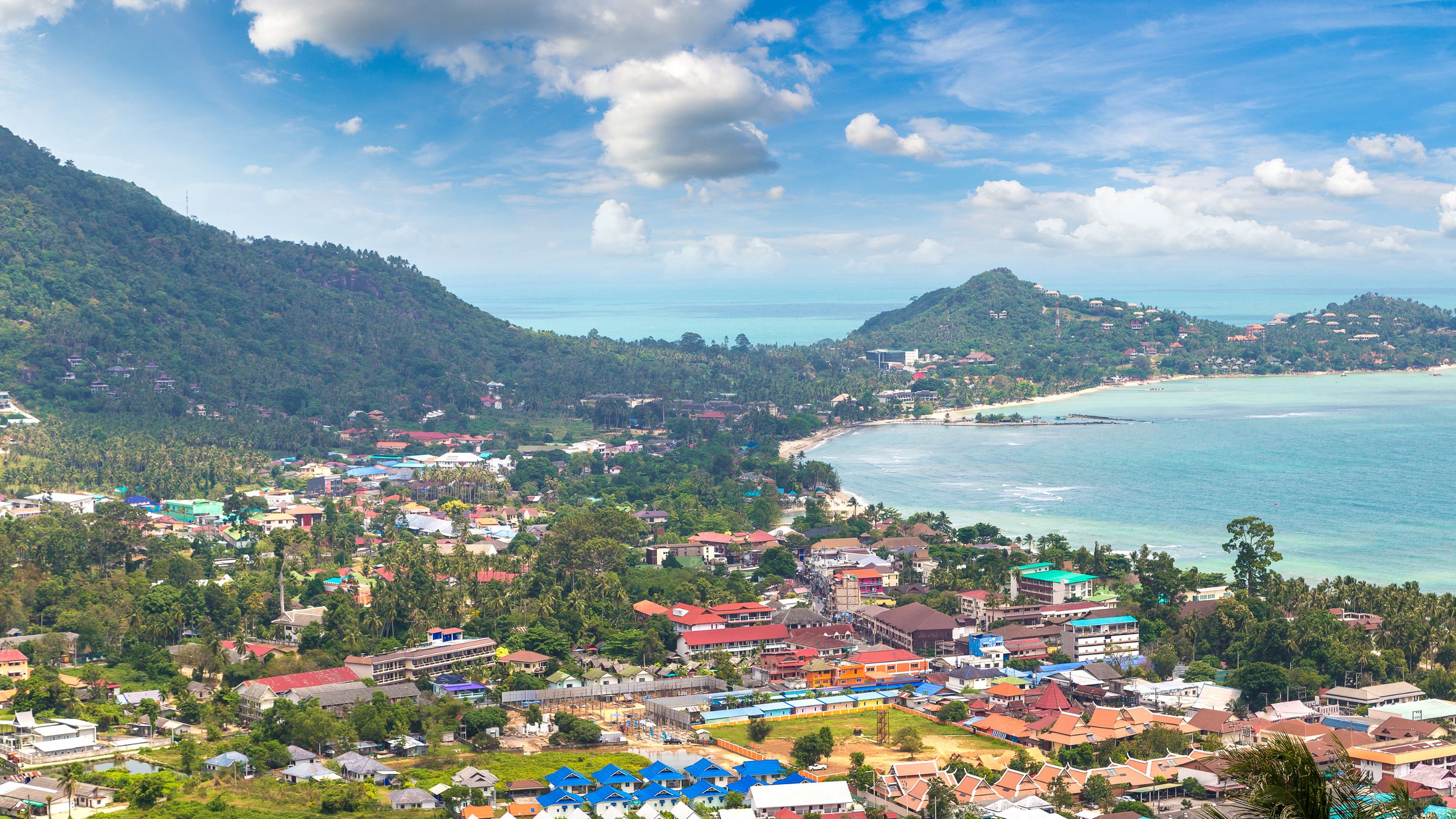
Expat Life on Thailand's Koh Samui Island (Where White Lotus was Filmed)


Koh Samui offers a unique blend of tropical lifestyle and everyday livability, with affordable housing, modern amenities, and a growing expat community. While the climate and visa process require adjustment, it can be an appealing option for those seeking a slower pace of life by the beach.
Koh Samui is one of Thailand’s most well-known islands, but beyond its reputation as a luxury travel destination, it has quietly become a viable place to live for expats. With its combination of tropical scenery, modern amenities, and a growing international community, Koh Samui offers a lifestyle that blends relaxation with everyday practicality. For those considering a move to Thailand, it sits in a unique middle ground—more developed than smaller islands, but less overwhelming than major cities like Bangkok.
Cost of Living in Koh Samui
The cost of living in Koh Samui can vary widely depending on lifestyle, but many expats find it significantly more affordable than living in Western countries. Housing is typically the largest expense. Basic apartments or small homes can start under $1,000 per month, while modern villas with pools often begin around $1,200 to $2,500 per month. Luxury properties with sea views can go much higher.
Eating local food is inexpensive, with street food and Thai restaurants offering meals for just a few dollars. Western food and imported groceries are available but come at a premium. Utilities, transportation, and services like cleaning or fitness memberships are generally affordable, making it possible to maintain a high quality of life without excessive costs.
Where Expats Live
Expats tend to cluster in a few key areas of the island. Chaweng offers the most activity, with restaurants, nightlife, and shopping, while Lamai provides a slightly quieter, more relaxed environment. Bophut and Fisherman’s Village are popular for their walkability and mix of local charm and modern conveniences. Those looking for more privacy often choose hillside or less-developed areas, where villas offer space and views.
Work, Lifestyle, and Community
Koh Samui has developed a strong lifestyle appeal for remote workers, entrepreneurs, and retirees. While it is not as coworking-heavy as places like Chiang Mai, there are plenty of cafes with reliable internet, fitness centers, yoga studios, and wellness-focused businesses. Many expats build routines that combine work with outdoor activities, such as beach time, running, or gym sessions.
The expat community is active but not overwhelming, making it relatively easy to meet people while still maintaining a sense of independence. Social life often revolves around cafes, beach clubs, fitness, and informal meetups.
Schools and Family Life
For families, Koh Samui offers several international schools that follow British or international curricula. These schools provide options for expatriate children, although tuition can be a significant expense compared to other aspects of life on the island.
The island is generally considered safe and family-friendly, with plenty of outdoor activities and a slower pace that appeals to those raising children. However, families should be aware that educational options are more limited than in major cities, and planning ahead is important.
Residency and Visas
Thailand offers several visa pathways for expats, though navigating them can require some planning. Common options include retirement visas, education visas, and long-stay visas tied to financial requirements. Digital nomads often rely on a mix of tourist visas and extensions, although regulations can change.
Working locally typically requires a work permit, and those planning to stay long-term should explore visa options carefully to ensure compliance with Thai immigration rules.
Healthcare and Infrastructure
Koh Samui has several private hospitals and clinics that provide a good standard of care for routine and moderate medical needs. For more complex treatments, expats often travel to Bangkok, which has world-class medical facilities.
The island’s infrastructure is generally reliable, with access to high-speed internet, supermarkets, and transportation options. However, power outages and occasional service disruptions can occur, particularly during storms.
Climate and Daily Life
Koh Samui has a tropical climate, meaning it is hot and humid throughout the year. While this is part of its appeal, it can take time to adjust. The island also experiences a rainy season, typically bringing heavier rainfall for certain months.
Daily life is often centered around outdoor living—beaches, cafes, and open-air spaces. Many expats find that their routines shift toward a more relaxed, flexible pace compared to life in more structured urban environments.
Pros and Cons of Living in Koh Samui
Pros: Beautiful natural surroundings, relatively affordable lifestyle, strong expat community, access to international schools and healthcare, and a relaxed pace of life.
Cons: Hot and humid climate, limited advanced healthcare on the island, seasonal tourism fluctuations, and fewer professional opportunities compared to major cities.
Is Koh Samui a Good Place to Live?
Koh Samui appeals to those looking for a lifestyle change—especially individuals, couples, and families who prioritize environment and flexibility over career-driven city life. It offers many of the comforts needed for long-term living while still feeling like a tropical escape.
For expats willing to navigate visas and adapt to island conditions, Koh Samui can be more than just a destination—it can be a place to build a life.
About the Author
 Betsy Burlingame is the Founder and President of Expat Exchange and is one of the Founders of Digital Nomad Exchange. She launched Expat Exchange in 1997 as her Master's thesis project at NYU. Prior to Expat Exchange, Betsy worked at AT&T in International
and Mass Market Marketing. She graduated from Ohio Wesleyan University
with a BA in International Business and German.
Betsy Burlingame is the Founder and President of Expat Exchange and is one of the Founders of Digital Nomad Exchange. She launched Expat Exchange in 1997 as her Master's thesis project at NYU. Prior to Expat Exchange, Betsy worked at AT&T in International
and Mass Market Marketing. She graduated from Ohio Wesleyan University
with a BA in International Business and German.
Some of Betsy's articles include 12 Best Places to Live in Portugal, 7 Best Places to Live in Panama and 12 Things to Know Before Moving to the Dominican Republic. Betsy loves to travel and spend time with her family. Connect with Betsy on LinkedIn.
Additional Information: